The Essential Guide to Sharpening and Cleaning Your Secateurs for a Healthier Garden
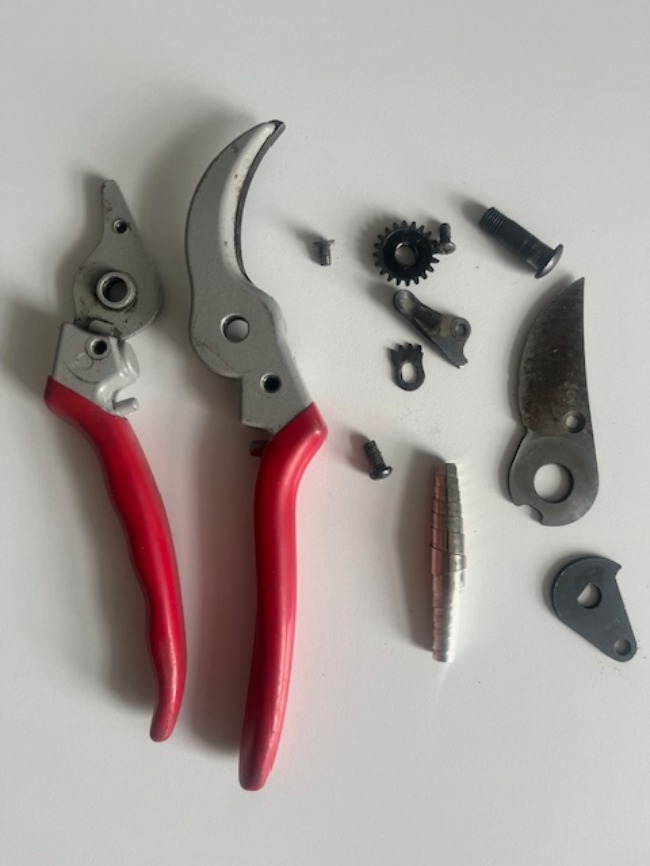
Good quality secateurs are invaluable tools in any gardener’s toolkit, designed to be maintained and last for many years with the right care. Regular maintenance not only enhances your pruning experience but also improves plant health by ensuring cleaner cuts. In this guide, we’ll cover the best practices for sharpening and cleaning secateurs, helping you keep your garden thriving.
Why It Matters
Keeping secateurs clean and sharp brings several benefits:
- Ease of Use: Sharp secateurs make cutting through branches and stems smoother and less laborious.
- Less Damage: A clean, sharp cut minimizes bruising and damage to plants, promoting faster healing.
- Prevention of Disease: Proper cleaning and sanitation help prevent the spread of plant diseases.
Dismantling Your Secateurs
Most quality secateurs can be easily dismantled to facilitate thorough cleaning. Here’s how to do it:
- Use a screwdriver to unscrew the central bolt located at the hinge of the secateurs.
- Remove any smaller screws that secure the adjustment mechanism.
- Carefully separate the components, typically including the blade, anvil, handle, and spring.
Cleaning Your Secateurs
Once disassembled, it’s time to give your secateurs a good clean:
- Wipe Down: Use a rag soaked in WD-40 or a light oil to wipe down all components. This will help remove dirt, sap, rust, and old residues from previous gardening sessions.
- Prevent Corrosion: Pay special attention to sap and moisture buildup, which can encourage corrosion if left unattended—especially if tools are housed in damp areas.
Sharpening the Blade
With the cutting parts now clean, it’s time to sharpen the blade. Follow these steps:
- Select Your Tool: Use an oil stone or sharpening stone designed for garden tools.
- Maintain the Angle: Sharpen the blade along its original bevel. It’s important to keep the same angle rather than trying to reshape it.
- Sharpness Check: A few steady passes across the stone are typically sufficient. Test the sharpness by cutting through some paper.
- Avoid Over-sharpening: Take care not to grind away too much metal, as it could affect the longevity and performance of your tools.
Reassembling Your Secateurs
Once the blade is sharp, it’s time to put everything back together:
- Carefully reassemble the secateurs, ensuring that all screws are fastened securely.
- Check the movement: The blade should close smoothly against the anvil or cutting plate.
Disinfecting Your Secateurs
When pruning diseased plants—such as cucumbers, strawberries, and certain fruit trees—it’s crucial to disinfect your secateurs to prevent spreading pathogens:
- Prepare a Solution: Create a mild disinfectant solution (bleach diluted with water is a common option).
- Dip and Wipe: Before moving on to the next plant, dip the blade and head of the secateurs into the solution. Wipe them dry afterward.
Conclusion
Regular maintenance of secateurs is not just a chore; it’s an essential part of responsible gardening. Clean, sharp secateurs make pruning quicker, reduce strain on your hands, and ensure healthier cuts for your plants. By following these tips on cleaning and sharpening, you can enhance the longevity of your tools and the vitality of your garden. Happy pruning!