Modern Composts: Are Peat-Free Eco Composts Causing More Problems?
In recent years, a noticeable shift has occurred in the gardening world as peat has fallen out of favor. This change is driven by increasing environmental awareness, prompting many compost manufacturers to introduce peat-free or eco-friendly alternatives. While the intention behind these modern composts is commendable, our research at GardenAdvice suggests they may inadvertently introduce several challenges, particularly for novice gardeners and those growing plants in containers.
Our Preferred Choice: John Innes Composts
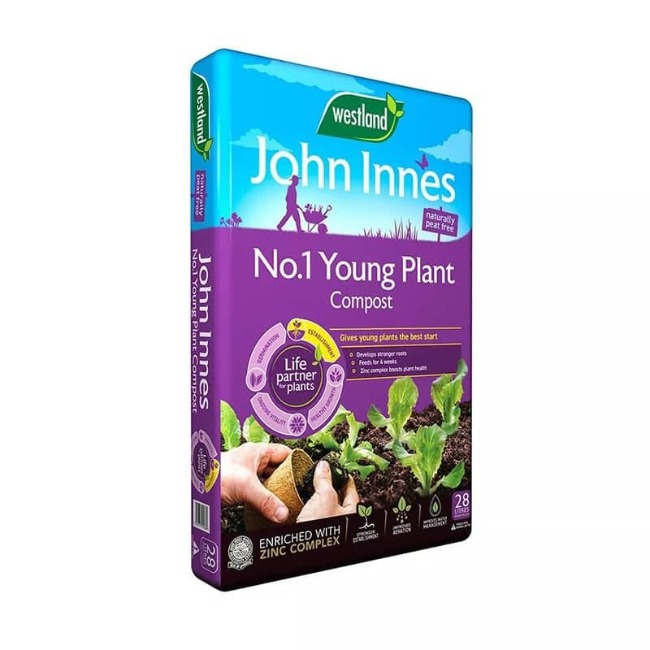
For a broad range of gardening projects, we consistently recommend John Innes composts or ericaceous compost when applicable. These soil-based composts offer several advantages over many peat-free options. John Innes composts are available in three distinct grades:
- John Innes No. 1: Ideal for seedlings and young plants.
- John Innes No. 2: Suitable for potting-on and general container growing.
- John Innes No. 3: Designed for larger, more established plants such as shrubs, small trees, roses, and specimen container plants.
Additionally, ericaceous compost is tailored for acid-loving plants like camellias, azaleas, rhododendrons, and blueberries, ensuring a suitable environment for their growth.
Problems With Some Modern Peat-Free Composts
Although many peat-free composts are made from recycled green waste, wood fibers, bark products, and other organic materials, they can create a handful of problems:
- Fungus Gnats (Black Flies): One of the most common grievances among houseplant owners is the appearance of small black flies around pots, usually fungus gnats that flourish in organic-rich peat-free composts.
- Mushrooms Appearing in Pots: Under warm, damp conditions, small mushrooms can sprout in pots and containers. While typically harmless, they are often considered unsightly by gardeners.
- Increased Vine Weevil Problems: The coarse organic materials found in some composts may create a breeding ground for vine weevil larvae, which can inflict severe damage to container-grown plants.
- Watering Difficulties: Many peat-free composts present challenges in watering, as they can dry out too quickly or become waterlogged, making it hard to maintain consistent moisture levels.
Why We Often Recommend John Innes Compost
John Innes compost is a soil-based mix that includes sand and normally peat replacement, which offers numerous benefits:
- Maintains moisture levels more evenly.
- Is easier to re-wet if it dries out.
- Provides better anchorage for plant roots.
- Reduces issues related to fungus gnats and vine weevils.
- Supports consistent plant growth.
Moreover, when used in terracotta or clay pots, John Innes compost aids in creating a more stable growing environment. The pots allow moisture to migrate through their walls, enhancing humidity around the roots and alleviating sudden fluctuations in moisture levels.
The Main Drawback
The primary disadvantage of John Innes compost is its weight, which can be around 30% heavier than many peat-free alternatives. However, this extra heft might actually be beneficial; larger pots are less likely to topple in windy conditions, and taller plants often enjoy enhanced stability.
GardenAdvice Recommendation
For those growing houseplants, patio containers, roses, shrubs, or specimen plants, we typically recommend using John Innes composts. They are reliable, easier to manage, and frequently lead to better long-term outcomes.
While peat-free composts can certainly fulfil a role in the gardening ecosystem, if issues such as black flies, mushrooms, vine weevils, or inconsistent watering arise, it may be time to reconsider and switch back to a high-quality John Innes compost. This simple transition could provide a robust solution for many common gardening predicaments.