how do you get lawns to recover from drought
13 October 2026
## Helping a lawn recover after drought
Most UK lawns **look worse than they really are after drought**. Brown grass is often dormant rather than dead, and many lawns green up again once rain returns and temperatures drop. If areas stay thin or bare after rainfall, that’s when renovation is needed. RHS guidance notes that drought-browned lawns often recover with autumn rain, while bare or sparse areas can be repaired with seed or turf. ([rhs.org.uk](https://www.rhs.org.uk/advice/in-month/september/lawns?utm_source=openai))
### 1. Wait for moisture before doing major work
Don’t scarify, rake hard, feed heavily, or reseed into bone-dry soil. Wait until the lawn has had rain or a good soaking and the soil is workable. Grass seed needs consistent moisture to germinate.
### 2. Water deeply, not little and often
If rain hasn’t arrived, give the lawn a **thorough soak** rather than a daily sprinkle. GardenAdvice recommends deep watering because light watering encourages shallow rooting and poor drought resilience; watering early morning or evening also reduces evaporation. ([gardenadvice.co.uk](https://gardenadvice.co.uk/mygardenteam-demo/expert-tips-for-watering-your-garden-in-hot-weather-keep-plants-thriving/))
### 3. Raise the mowing height
For recovery, mow on a **higher setting** and avoid cutting too short. Longer grass shades the soil, reduces moisture loss, and helps the plant rebuild energy. If the lawn is very brown or brittle, avoid mowing until green growth starts again.
### 4. Rake out loose dead material — gently
Once the lawn is moist and showing signs of recovery, lightly rake out dead, loose thatch. Don’t be too aggressive if the lawn is weak; heavy scarifying is better only when the grass is actively growing.
### 5. Aerate compacted areas
Use a garden fork or hollow-tine aerator, especially where the lawn is hard, compacted, or water runs off rather than soaking in. Aeration improves air and water movement to the roots and helps lawns cope better with future drought and winter wet. ([rhs.org.uk](https://www.rhs.org.uk/lawns/autumn-care?utm_source=openai))
### 6. Overseed thin or bare patches
For bare patches:
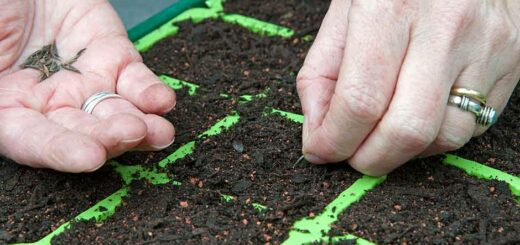
- Scratch the soil surface with a rake.
- Add a thin layer of lawn topsoil or compost/sandy loam mix.
- Sow a suitable lawn seed — ideally a **drought-tolerant mix**.
- Firm it down gently.
- Keep it moist until established.
Early autumn is usually ideal because the soil is still warm and there is more natural moisture, but by **mid-October** you should do it promptly before soil temperatures fall too much.
### 7. Top-dress after aeration
A light top-dressing helps improve the root zone. Use a mix of:
- loam/topsoil
- sharp sand if drainage is poor
- fine compost or well-rotted organic matter
Brush it into aeration holes and thin areas.
### 8. Be careful with feeding
Avoid strong summer feeds or high-nitrogen fertiliser on drought-stressed grass. If the lawn is recovering and the soil is moist, use an **autumn lawn feed** rather than a spring/summer one. Autumn feeds encourage root strength rather than soft leafy growth. GardenAdvice also advises suspending feeding during extreme heat or very dry conditions because fertiliser salts can damage stressed roots. ([gardenadvice.co.uk](https://gardenadvice.co.uk/mygardenteam-demo/expert-tips-for-watering-your-garden-in-hot-weather-keep-plants-thriving/))
### 9. Reduce wear while it recovers
Keep foot traffic, children’s play, furniture, and pets off the worst patches for a few weeks. Drought-stressed crowns can be fragile, and wear can turn a dormant lawn into a genuinely bare one.
---
## Simple recovery plan
**Week 1:**
Water deeply or wait for rain. Raise mower height. Avoid heavy use.
**Week 2:**
Light rake, aerate compacted areas, and overseed bare patches.
**Week 3–4:**
Keep seed moist, mow only when new grass reaches about 7–8 cm, and cut lightly.
**After establishment:**
Apply autumn feed if needed and continue mowing high.
If you’d like, I can also give you a quick **October lawn recovery checklist** for Carmel’s garden.