Extending the Life of Your Lawn Mower: A Sustainable Approach to Garden Equipment Care
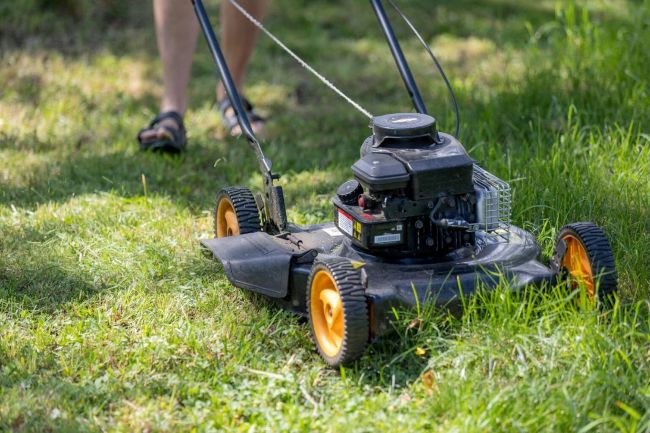
As UK gardeners increasingly embrace sustainability, the focus has shifted beyond what we grow to how we maintain the equipment that keeps our gardens thriving. Lawn mowers represent a significant investment, yet many are replaced prematurely due to neglect rather than genuine end-of-life failure. By adopting proper maintenance practices and understanding when components need replacement, gardeners can dramatically extend their mower’s lifespan whilst reducing environmental impact and saving money.
The Case for Preventative Maintenance
Regular maintenance is the cornerstone of equipment longevity, yet it’s often overlooked until problems arise. Research shows that using genuine quality parts and proper servicing ensures machines continue running at peak efficiency, whilst inferior components often wear out faster, leading to repeated breakdowns and costly repairs. The difference between a mower lasting five years versus fifteen frequently comes down to consistent care rather than initial quality.
The environmental argument for maintaining existing equipment is equally compelling. Garden centres and retailers are increasingly embracing circular economy principles, recognising that repair and reuse reduce waste more effectively than recycling alone. For homeowners, this translates into keeping functional equipment operating rather than contributing to landfill whilst purchasing replacements.
Spring Preparation: Getting Your Mower Ready
Spring represents the critical moment for lawn mower preparation, when months of winter storage give way to the demanding growing season. Before that first cut, a thorough inspection prevents mid-season failures and ensures optimal performance throughout the year.
Visual Inspection and Cleaning
Begin by checking your mower’s general condition, examining for damage to the housing, wheels, and cutting deck. Over time, grass clippings, dirt, and debris accumulate, leading to corrosion and diminished performance. Use a garden hose and soft brush to clean both exterior surfaces and the underside of the mower deck, then dry thoroughly and apply a light protective oil to prevent rust.
Accumulated debris isn’t merely cosmetic—it can harbour moisture that accelerates corrosion and interferes with moving parts. Regular cleaning, especially during peak mowing season, maintains optimal functionality and prevents small issues from escalating into major repairs.
Blade Assessment and Sharpening
Blades are your mower’s most critical component, directly affecting cut quality and grass health. If you notice uneven mowing or frayed grass edges rather than clean cuts, inspection is essential. Dull blades tear grass rather than cutting cleanly, stressing plants and creating entry points for disease.
Professional sharpening and balancing at your local dealer ensures blades perform optimally. Alternatively, DIY enthusiasts can sharpen blades themselves, though proper technique and safety precautions are essential. Investing in durable replacement blades, such as high-carbon steel varieties designed specifically for your mower model, significantly extends their operational life and improves performance.
Understanding Common Replacement Parts
Certain components inevitably wear through normal use, and recognising when replacement becomes necessary prevents cascading failures. Understanding these parts empowers gardeners to maintain equipment proactively rather than reactively.
Spark Plugs: Small Components, Significant Impact
Spark plugs ignite the air-fuel mixture inside your mower’s engine, making them essential for reliable starting. Over time, carbon buildup, oil residue, or corrosion weakens the spark, causing difficult starts, engine stalling, or increased fuel consumption. Replacing spark plugs once per season—or every 100 hours of use—represents an inexpensive intervention that delivers noticeable improvements.
Inspection involves removing the plug with a socket wrench and checking for wear or deposits. Clean plugs gently with a wire brush or install fresh ones, ensuring proper gap specifications match manufacturer requirements.
Air Filters: Engine Protection
Air filters prevent dirt and debris from entering your engine, but clogged filters restrict airflow and reduce efficiency. For petrol-powered mowers, checking the air filter annually and replacing it when dirty or clogged lengthens engine service life significantly. The filter casing is typically located on the engine side opposite the exhaust and can be accessed by unclipping the housing.
Cables, Belts, and Drive Components
Throttle, clutch, and brake cables enable precise control over speed, cutting height, and movement. These cables can stretch, rust, or snap with repeated use, manifesting as stiff or unresponsive controls. Regular lubrication extends cable life, but frayed or jammed cables require immediate replacement.
Drive belts similarly experience wear, developing cracks, burns, or other damage over time. Checking belts annually and replacing them when signs of deterioration appear prevents unexpected failures mid-season. Replacement procedures vary between riding mowers and push mowers, but both involve safely accessing the belt housing and installing correctly-sized replacements.
Seasonal Maintenance Routines
Establishing consistent maintenance schedules prevents equipment deterioration and ensures readiness when needed. Different tasks occur at varying frequencies, from weekly cleaning to annual component replacement.
Weekly and Monthly Tasks
During active mowing season, clean the mower deck after each use to prevent buildup. Monthly tasks include checking battery charge levels, monitoring oil levels, lubricating moving parts, and inspecting tyre pressure on riding models. These quick interventions take minutes but prevent major problems.
Annual Service Requirements
Once yearly, typically in early spring, perform comprehensive maintenance including oil changes, spark plug replacement, air filter servicing, and blade sharpening. For petrol mowers, changing oil before the growing season removes contaminants that accumulated during storage, protecting engine components.
Annual inspections also identify worn parts requiring replacement before they fail during use. Addressing these proactively—ordering necessary spare parts for lawn mowers ahead of the season—ensures uninterrupted operation when grass growth peaks.
The Economics of Repair Versus Replacement
Many common lawn mower problems can be resolved at home with basic tools and replacement components. DIY repairs for issues like spark plug replacement, blade sharpening, air filter changes, and belt installation typically require only screwdrivers, socket sets, and the appropriate replacement parts.
The cost comparison strongly favours repair for most scenarios. A spark plug costs a few pounds and takes fifteen minutes to replace, compared to hundreds or thousands for new equipment. Even more substantial repairs, such as drive belt replacement or throttle cable installation, remain far more economical than purchasing new machinery.
Professional servicing provides an alternative for those uncomfortable with DIY maintenance, offering expert diagnosis and genuine parts whilst still costing significantly less than replacement. Many genuine spare parts come with warranties, providing additional peace of mind.
Storage and Winter Protection
Proper off-season storage protects equipment from deterioration during dormant months. Before winter storage, drain fuel or add stabiliser to prevent gumming, remove batteries from electric models, clean thoroughly, and store in dry, covered locations to prevent rust.
These simple actions preserve components that would otherwise degrade, ensuring equipment starts reliably when spring arrives. Tools should never be stored wet, as moisture accelerates rust formation and handle rot. Applying linseed oil to wooden handles and metal components creates protective barriers against moisture.
Embracing Circular Economy Principles
Garden equipment maintenance aligns perfectly with circular economy concepts gaining traction across UK horticulture. Rather than the traditional linear model of purchase, use, and disposal, circularity emphasises extending product life through repair, refurbishment, and component replacement.
Garden centres are increasingly supporting these principles through repair services, spare parts availability, and customer education about equipment care. Homeowners contribute by choosing repair over replacement, selecting quality components designed for longevity, and maintaining equipment proactively.
This shift benefits both gardeners and the environment. Keeping functional equipment operating reduces manufacturing demand, conserves resources, and prevents waste whilst saving money. As one industry expert notes, embracing circularity means actively supporting practices that restore rather than deplete resources.
Summary
Extending your lawn mower’s lifespan represents both financial prudence and environmental responsibility. Through regular cleaning, seasonal maintenance, timely component replacement, and proper storage, gardeners can achieve decades of service from quality equipment. The key lies in viewing maintenance as an investment rather than an expense—small, consistent efforts prevent major failures whilst supporting sustainable gardening practices that benefit both your garden and the planet.