Garden Cleanup Tips for a Fresh Outdoor Space
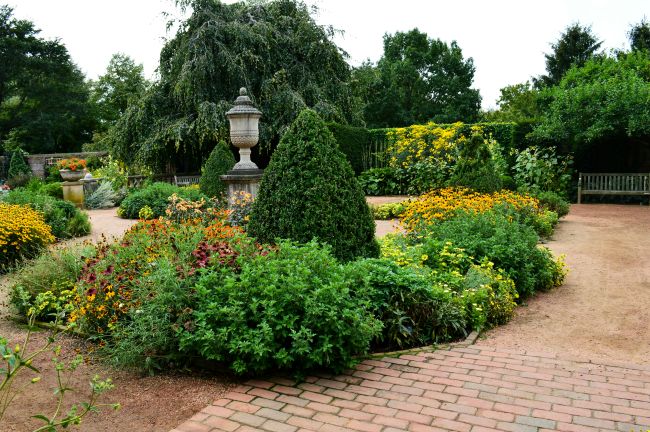
A tidy garden can completely change how your outdoor space feels. It looks better, feels more relaxing, and becomes easier to enjoy throughout the year. Whether you have a small city garden, a family lawn, or a larger outdoor area, a proper cleanup helps plants grow better and keeps the space safer and more inviting.
The good news is that garden cleanup does not need to be complicated. With the right approach, you can tackle it step by step and see quick results.
This guide covers practical garden cleanup tips, common mistakes to avoid, UK-specific advice, and when professional help may be worth considering.
Why Garden Cleanup Matters
Many people think garden cleanup is only about appearance, but it does much more than that. A well-maintained garden can help with:
- Healthier plants and stronger growth
- Fewer weeds and pests
- Safer patios, paths, and decking
- Better drainage
- Easier mowing and maintenance
- A more enjoyable outdoor space for relaxing or entertaining
If your garden has become overgrown or cluttered, using a professional garden clearance service can save time and help remove large volumes of waste quickly.
Step 1: Start with a Clear Plan
Before picking up tools, spend a few minutes looking at the whole garden. Ask yourself:
- What needs removing?
- Which plants need saving or pruning?
- Are there damaged fences, pots, or furniture?
- Is the lawn healthy or patchy?
- Are paths slippery or blocked?
A quick plan helps you work faster and avoid moving things twice.
Start with the biggest and most visible jobs first. Clearing obvious mess creates momentum and makes the garden feel better straight away.
Step 2: Remove Debris and General Clutter
The easiest first task is removing loose waste. Focus on:
- Fallen branches
- Dead annual plants
- Old weeds
- Leaves on lawns and paths
- Broken pots
- General rubbish
- Unused garden items
Use a tarp or strong garden bags to collect waste as you go.
Before clearing everything too early in spring, check for beneficial insects. Ladybirds, bees, and other pollinators often shelter in leaf piles, hollow stems, and quiet corners during winter.
A good rule is to wait until temperatures are consistently above 10°C before doing a full deep tidy.
Step 3: Check for Bird Nests Before Cutting Hedges
This is especially important in the UK. Under the Wildlife and Countryside Act 1981, it is illegal to intentionally damage or destroy an active wild bird nest.
Before you trim always inspect hedges, shrubs, and trees carefully between March and August.
Look for:
- Nesting activity
- Birds flying in and out
- Hidden nests in dense branches
If a nest is active, delay pruning until birds have finished nesting.
Step 4: Refresh Flower Beds and Borders
Once debris is gone, your beds and borders will be easier to work on.
- Weed Thoroughly: Remove weeds by the roots where possible. Pulling only the top growth often means they return quickly.
- Loosen the Soil: Use a garden fork to gently break compacted soil. This helps air, water, and roots move more freely.
- Add Organic Matter: Mix in compost or well-rotted organic matter to improve soil structure and nutrients. This is especially useful in clay-heavy UK gardens.
- Edge the Borders: Creating a crisp edge between lawn and beds makes the whole garden look tidier almost instantly.
Step 5: Mulch for a Cleaner, Healthier Garden
Mulch is one of the simplest ways to improve your garden after a cleanup. A layer of mulch can:
- Suppress weeds
- Hold moisture in the soil
- Improve appearance
- Protect roots
- Feed the soil over time
Spread around 2 to 4 inches of mulch over beds, but keep it away from plant stems to prevent rot. Bark, compost, leaf mould, and wood chip can all work well.
Step 6: Bring the Lawn Back to Life
Lawns often need attention after winter.
First Cut of the Season: Wait until grass reaches around 5 to 6 cm, then mow on a higher setting for the first cut. Cutting too short can weaken the lawn.
Rake Out Moss and Thatch: Many UK lawns develop moss in damp weather. Light raking can help remove buildup and improve airflow.
Aerate Compacted Areas: Use a garden fork or lawn aerator to create holes in heavy soil. This helps drainage and root growth.
Feed If Needed: A spring lawn feed can encourage greener, stronger grass.
Step 7: Clean Patios, Paths, and Decking
Hard surfaces often collect algae, dirt, and moss over winter.
Sweep First: Always remove loose dirt and leaves before washing.
Pressure Wash Carefully: Pressure washing works well on stone and concrete, but use care on softer surfaces and older pointing.
Improve Safety: Slippery patios and decking are a common issue in wet UK weather. Regular cleaning reduces slip risks.
Step 8: Tidy Outdoor Furniture and Structures
Once the garden is cleaner, finish the surrounding features.
Clean Furniture
Use warm soapy water for most outdoor tables and chairs. For mildew on plastic furniture, a vinegar and water mix can help.
Check Fences and Gates
Look for:
- Loose panels
- Rotting wood
- Rusty hinges
- Wobbly posts
Fixing small issues early can prevent larger repair bills later.
Clear Gutters and Drainage Areas
Blocked gutters and drains can cause water problems near the garden and home.
Step 9: Dispose of Garden Waste Properly
Garden cleanup often creates more waste than expected.
What Can Usually Go in Green Waste Bins
Many UK councils accept:
- Grass clippings
- Leaves
- Hedge trimmings
- Small branches
- Plant cuttings
Rules vary by area, and some councils charge for garden waste collection.
What Usually Should Not Go In
Avoid adding:
- Soil
- Stones
- Rubble
- Plastic pots
- Treated wood
- Diseased plant material
Check your local council guidance before filling bins.
Plants such as Japanese Knotweed need specialist disposal. Do not place them in normal household garden waste.
Step 10: Add the Finishing Touches
After cleanup, a few simple upgrades can make the space feel fresh and complete. Easy Improvements
Try:
- New pots or planters
- Fresh bedding plants
- Solar lights
- A painted fence panel
- Clean cushions
- Herb containers near the kitchen door
Small changes often make the biggest visual difference.
Final Thoughts
A fresh outdoor space starts with a simple cleanup. Remove clutter, refresh beds, revive the lawn, and clean hard surfaces. You do not need to do everything perfectly in one weekend. Consistent small jobs often work better than one major overhaul. Start with one section, make visible progress, and build from there. Your outdoor space can improve faster than you think