How to Extend Your Growing Season and Increase Your Harvests
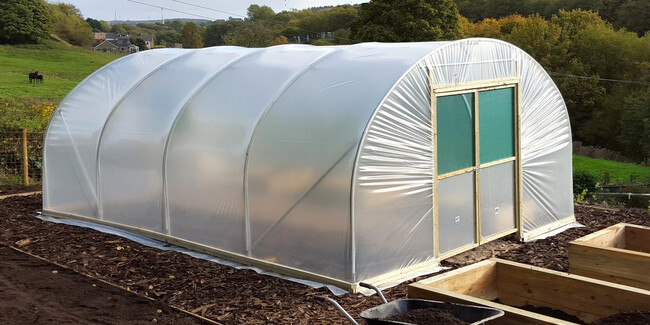
The year 2026 has been something of a challenge for anyone who aspires to grow produce. A succession of record-busting heat waves has contributed to some of the lowest yields in living memory and left both professional farmers and hobbyists searching for ways to improve things next time around.
So, what levers are available to us? Let’s take a look at a few measures that will help to extend the growing season and lead to superior harvests.
Start Planting Earlier in the Year
Choosing when to plant means striking a balance. You’ll need to go as early as possible, if you can be sure of avoiding cold temperatures, and frost. Choose the most sheltered available parts of the garden, and try to start your seeds indoors. This will help you to get those delicate early shoots off to the best possible start.
Protect Crops From Changing Weather
When the weather is constantly changing, plants can have a difficult time reacting. Extreme weather, in the form of relentless sunshine and torrential rain, can damage plants – or at least slow their growth. Since the weather in this country is notoriously difficult to predict, it’s vital that we offer plants the protection they need. That means ensuring that drainage is adequate, and that soil is protected through mulching.
You might also come up with a system for monitoring your soil humidity, and dispensing water accordingly. For tech-savvy gardeners, a few digital tools can often go a long way.
Create a More Reliable Growing Environment
Of course, there’s another popular way of protecting plants, and that’s to erect a protective structure around them. Greenhouses offer protection from the rain, while still trapping heat to the extent that plants like tomatoes can thrive. In recent years, polytunnels have provided a popular alternative to the traditional greenhouse. They’re more flexible and can be easily scaled to fit your operation.
Choose Crops That Suit a Longer Season
It’s fair to say that some crops are better suited to a longer season. Leafy greens, for example, will remain productive long after summer has passed. Do your research, establish which crops are the most durable, and select accordingly. It’s also worth thinking about the amount of work that you’re willing to put in. A long-lasting plant that demands constant care and attention might not be a great fit for your personal gardening style.