The 3-Year Rule: Why Your September-Planted Perennials Won’t Peak Until 2029
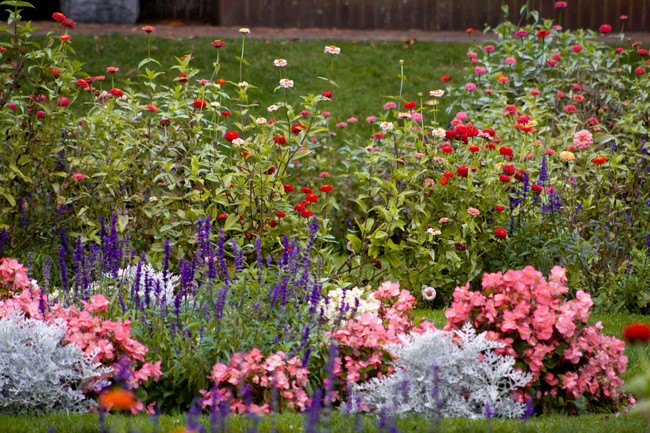
Perennials are a popular choice for gardeners looking for visually pleasing, low-maintenance plants. Knowing when to plant perennials in UK gardens is one small part of a beautiful journey. However, understanding when you can expect these plants to peak is a key part of that process. With care and patience come long-term rewards.
Planting perennials in September means you will have to wait for about three years until you see the full results. This gives you a great opportunity to reconnect with your garden.
Why Autumn Can Be the Best Time to Plant Perennials
Spring may get most of the glory, but gardeners know that autumn can be just as exciting. This is because September is a fantastic month for planting.
The season’s ideal growing conditions make it a great time to plant. You’ve got the soil, still warm from summer, and the incoming cooler air of autumn. This combination creates a welcoming atmosphere for growth while reducing stress on young plants.
Your Long-Term Perennials Planting Guide
If you’re wondering when to plant perennials or are expecting an immediate burst of vibrant colour, you might be in for a slight surprise. Your newly planted perennials aren’t just tucked up in your garden beds. These plants are busy working their magic underground, long before they can shine above.
By nature, perennial plants have a life that spans multiple seasons. The long-term beauty of perennials requires a comprehensive root system. It’s a journey that can take up to three years and is something that even large-scale commercial landscapes rely on for long-term gardening.
- Sleep (Year 1): After being transplanted, your perennial settles in. It develops a strong root system and anchors itself. Think of this as a foundational year, quietly building strength beneath the surface.
- Creep (Year 2): Your perennial expands its foliage to produce a modest number of flowers. You’ll start to see a hint of its future glory. This is the year your plants start to show their true character.
- Leap (Year 3): With a fully developed root network, your perennial is ready to show off. Expect vigorous growth and abundant blooms. This is when your plant truly comes into its own.
Once established, perennials are low-maintenance and require minimal care. For garden lovers, this means basking in the beauty of these plants without spending hours on weekly upkeep.
Remembering the Joy of the Process
Waiting until 2029 for your perennials to peak might seem like a long time. However, seasoned gardeners know that the journey itself is often just as rewarding as the destination. Gardening is a personal and emotionally enriching experience. It’s about connecting with nature, nurturing life and finding peace in the rhythm of the seasons.
The three-year waiting period doesn’t have to be stressful. Think of it as an opportunity to enjoy the process of gardening, as your greenery evolves around you. There are gardening trends that prioritise fun and spontaneity during those patient years of growth, and this mindset can help you rediscover the joy of horticulture.
Studies have shown the positive impact of tending to a garden on well-being, with 77% of people saying gardening has helped to improve their mental health.
What to Know About Planting Perennials in September
When planting perennials in the UK, a little foresight now will lead to a glorious display in the years to come. This autumn month offers prime conditions for establishment. With a few key considerations, you can set your garden up for long-term beauty without those awkward, empty patches.
Mindful Spacing for Future Growth
It’s tempting to plant your perennials close together, but it’s important to research the mature size of your chosen plants to make sure they’re given room to spread. This lets each plant reach its full potential without competing for light and nutrients.
When planning your layout, consider popular UK garden choices that thrive with adequate spacing, such as:
- Hardy geraniums
- Delphiniums
- Rudbeckia
- Echinacea
- Salvia
Fill the Gaps Creatively
While your perennials won’t peak until 2029, your garden beds don’t have to look dull in the meantime. Consider planting vibrant spring-flowering bulbs. Options like tulips or daffodils can create a cheerful display next spring, while your perennials are busy establishing their roots.
You may like the idea of fast-growing annuals like nigella or cosmos. Companion planting with herbs like chives or calendula is also a creative way to add interest and functionality.
Prepare Your Soil Well
September’s still-warm soil provides an opportunity for your perennials to get a head start. Add plenty of organic matter, such as well-rotted garden compost, mushroom compost or leaf mould. This helps provide root systems with a thriving environment.
Mulch for Protection
Apply a layer of organic mulch around your newly planted perennials. Good options for UK gardens include bark chippings, straw or shredded leaves. This will help to regulate soil temperature as the weather cools and suppress weeds. It also provides a little extra insulation for the roots as winter approaches.
Embrace the Wait for a Beautiful Future
Investing your time and effort in the prime autumn planting window helps create a thriving outdoor space for years to come. Think of the three-year rule as quality time spent building a deeper appreciation for the miraculous process happening beneath your soil.
Grab your trowel, breathe in that crisp autumn air and enjoy the process. Your future garden is waiting for you on the other side of this journey, full of a vibrant and mature perennial display.