The Best Climbing Plants for a Standard Garden Display
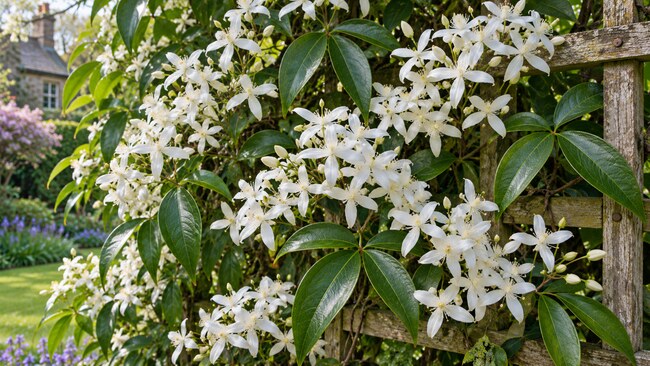
Clematis armandii
There are plenty of staples that should be considered essential parts of any garden display. Most outdoor spaces need a mixture of hardy evergreen shrubs, some flowering perennials, hedging fixtures and, of course, climbing plants. Climber plant displays are an important element of modern gardens, as they incorporate some much-needed vertical interest, as well as providing some opportunities to enhance your outdoor privacy.
This article will explore some of the best climbing plants that a British gardener should bring into their outdoor space. It will give tips about evergreen options, seasonal bloomers and options for shaded areas. This way, you’ll feel confident about dressing your fences, pergolas, obelisks and garden walls.
The best evergreen climbers for year-round interest
Evergreen climber plants maintain their foliage throughout the often harsh British winters. They’re essential if you want to create a lasting privacy screen or to dress structures throughout the entire year.
- Star Jasmine (Trachelospermum jasminoides) is known for its glossy, dark green leaves that turn bronze in the winter. They also produce intensely fragrant white, star-shaped flowers in the summer. They are healthiest on sunny south- or west-facing walls.
- Persian & English Ivy (Hedera cultivars) are extremely hardy, self-clinging and excellent for shady, north-facing walls. They have unique capacities to grow where others don’t, adding brightness to dark corners of the garden.
- Evergreen Clematis (Clematis armandii) has large, leathery leaves that make way for sweet-scented white blossoms in early spring.
These are some fixtures that every climbing display should have to maintain the visual appeal across the year.
Seasonal climbing blooming plants
Having climbing plants flowering across your display is vital if you’re looking to truly bring in the colour and excitement that make real impressions. Deciduous climbers like these might drop their leaves in the winter, but they really explode into stunning displays in the spring and summer.
- Climbing Roses are a classic choice for a cottage garden, adding a romantic sensibility to archways, pillars and brick walls. ‘Eden’ and David Austin’s ‘The Generous Gardener’ are great repeat-flowering varieties with displays that last months.
- Wisteria (Wisteria sinensis/floribunda) is known for producing long, cascading racemes of scented purple, blue or white flowers across the late months of spring. They require sturdy support structures such as wires or wooden pergolas, as well as twice-yearly pruning.
- Clematis (Clematis cultivars) are vigorous twining climbers capable of rapid coverage. Clematis montana smothers walls and fences in pink or white blossom in late spring, while Group 2 and Group 3 varieties extend the display through summer in a wide range of bold colours.
Understanding which climbing flowers will bloom and when means you can have something to look forward to as the year goes on, while also allowing you to maximise your other seasonal display choices.
Best climbers for shaded areas
It’s important to remember that not every garden in the UK is going to have proper full sun hitting their walls, pergolas and obelisks. Shade-tolerant varieties are essential for these spaces, ensuring displays can be maintained even in less open garden spaces.
- Climbing Hydrangea (Hydrangea anomala subsp. petiolaris) is a self-clinging climber that attaches via aerial roots and is happy without direct sun. It produces large, lacy white flowerheads in early to mid-summer, even on north- or east-facing walls.
- Chocolate Vine (Akebia quinata) is a semi-evergreen twiner that thrives in partial shade, bearing maroon-purple flowers with a subtle vanilla and chocolate scent.
- Virginia Creeper (Parthenocissus quinquefolia) is another self-clinging vine grown in UK gardens for its autumn transformation. It changes dramatically in the autumn, turning fiery red before shedding its leaves.
Getting some climbing plants in place that can handle the shade will finish your setup nicely. A balance of evergreen, flowering and shade-tolerant plants in your space will guarantee a display that covers all bases.