How Adding a Garden Pod Actually Changes Which Plants Will Thrive in Your Garden
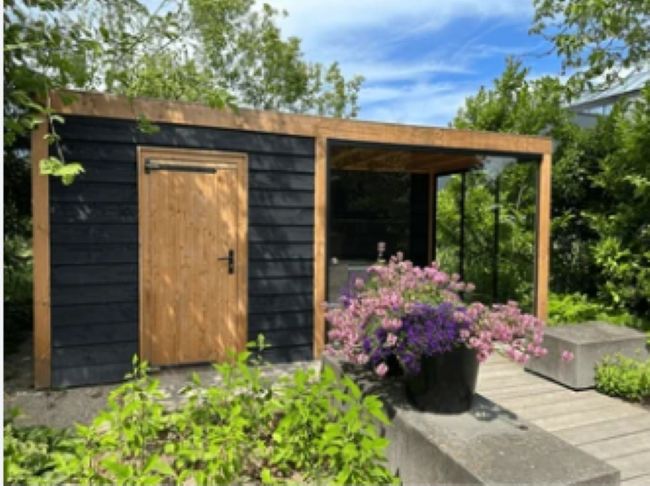
When setting up a garden in your home, you consider several factors, such as the soil type and exposure to the elements. While considering these factors can help determine the type of plants to bring into your garden, adding a new structure, like a garden pod, has more effects on your gardening hobby.
Although many homeowners know the importance of a garden pod in upgrading lifestyles, many newbie gardeners have little to no idea about the horticultural impacts of the outdoor home addition.
Adding a garden pod to your garden can influence the microclimates of your garden and change the type of plants that will thrive in your garden. The reason for this is not far-fetched: a pod in your garden shifts the light patterns, wind flows, garden temperature, and soil moisture.
Hence, you want to reassess your choice of plants when installing a garden pod.
Understanding the Shade Zone Reality
Shade is one significant effect garden pods have on gardens. Adding a garden pod to your garden space shifts the shade patterns, which can affect several meters from the structure. This impact is more pronounced with taller pods.
While this might spell doom for plants that thrive in sunny spaces, plants that prefer cooler spaces thrive more in such an area. For example, in the UK, the north-facing side of the pod can be a dwelling space for plants like Polystichum setiferum and Dryopteris filix-mas, since they do well with minimal direct sunlight.
Conversely, the east and west sides of the pod offer transitional lighting. The east receives early morning sunlight to blossom young shade-tolerant plants, while the west receives afternoon sunlight ideal for stronger plants.
Regardless, note that shade intensity depends on the pod’s height. For example, if you are going for a standard 2.5m pod, expect softer shadow than you would get with a 3m model. Hence, you want to consider your pod height before committing to a planting scheme.
This is one area where most UK gardeners get it wrong. Many gardeners select their plants with a plan for one pod height, only to watch their plants suffocate due to installing a different pod height. The way out is to identify the difference in height impacts and replant accordingly.
You can get professional microclimates guidance from horticulture experts like the Royal Horticultural Society (RHS).
The Wind Shelter Advantage
One common challenge faced in gardening is heavy wind. Heavy wind has intense effects on the performance of many plants, especially tall plants with tall stems. Installing a garden pod helps address this challenge by providing a strong structure that takes the hit and protects plants within a radius of 5-10m. With this, tender perennials can have a flourishing atmosphere.
Going by the UK’s dominant weather patterns, this advantage of garden pods on gardening is more beneficial to plants on the south and west sides of the pod. For example, if you struggle with plants like exotic cannas and penstemons due to high exposure to wind, consider planting them on the south and west sides of your pod.
It is worth noting that the benefit of reduced wind is not limited to minimising moisture loss in plants. This benefit also helps increase the garden temperature by a degree or two, offering better conditions for previously challenging plants to grow.
Navigating Rain Shadow Problems and Solutions
Installing a garden pod means more rain shadow on your garden. The pod’s roof prevents precipitation around the pod, which poses a non-conducive atmosphere for most plants.
However, this doesn’t mean the whole space of about 2m around the base should go to waste. It only means reassessing your choice of plant for the area. Drought-tolerant plants are great choices to plant close to the base. For example, Mediterranean herbs like rosemary, lavender, and thyme have been found to thrive in such precipitation-lacking zones.
Additionally, you can redirect rainwater from the pod’s roof to irrigate the affected areas by installing water butts. This lets you plant your choice of plants that require ample water to survive and thrive. Thankfully, this practice suits the UK’s sustainable gardening practices.
Harnessing Reflected Heat and Light Opportunities
A garden pod with light colors and glass fronts reflects a great amount of heat and light to the surroundings. Since your pod is surrounded by plants, this reflection creates warm microclimates that influence the performance of your plants. How you take this effect determines whether it makes or breaks your plants.
A south-facing wall with a high degree of warmth can be channeled into planting wall shrubs and climbing roses.
Conversely, since dark-colored pods absorb and radiate heat better than their light-colored counterparts, they are ideal for heat-loving crops like tomatoes planted against the wall. However, while this is an ideal practice across the UK, especially in regions with cooler climates, it makes sense to monitor temperature changes in the summer.
Addressing Foundation and Drainage Impacts
When installing your pod, keep in mind that you are about to influence the drainage pattern, as runoffs create wetter or drier zones. With the pod’s foundation made of concrete slabs, expect water to pool in low spots. Thankfully, this is not entirely a setback to your gardening scheme.
Water pooling in your garden can be channeled into planting moisture lovers like ligularia and astilbes. You can also add organic matter to compacted soil around the base to restore tilth before planting.
Practical Planting Recommendations by Zone
You want to tailor your choice of plant to suit your pod’s microclimates for enhanced success. Here are a few recommendations from expert gardeners in the UK:
North Side (Full Shade)
Since the north side receives full shade regardless of the time of day, consider planting shade-loving plants like ferns and brunnera. These plants are recommended for cool areas with low light.
East Side (Morning Sun)
As highlighted earlier, the east side receives an ample amount of sunlight in the morning. It is hence a better thriving area for shade-tolerant plants that appreciate morning sunlight and low midday light.
South Side (Full Sun with Reflected Heat)
The south side handles sun-loving species quite well. Plants like echinops, climbing roses, and trained fruit trees are recommended for the south side of the garden pod.
West Side (Afternoon Sun)
The west side of a garden pod is praised for its high afternoon sunlight. Hence, UK gardeners choose plants like agapanthus and penstemon for this area.
Rain Shadow Zones
As earlier recommended, consider herbs, sedums, and ornamental grasses for rain shadow zones of the pod for their lack of precipitation.
With careful selections of plants that suit each side of your pod and climate, you can achieve a thriving garden that stands out on the block. However, don’t be strict with yourself when going about your gardening practices and plant choices. Experiment, observe, and adjust. You also want to contact experts like the RHS when you need help.