How to Blend Indoor and Outdoor Living with Clever Home Improvements
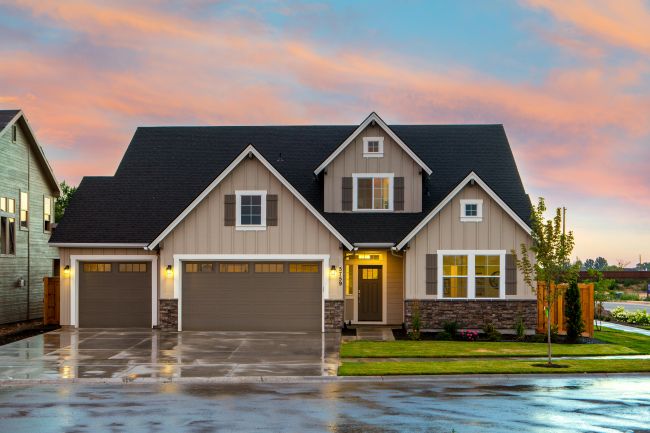
Creating a seamless connection between indoor and outdoor spaces has become an increasingly popular trend in home improvement. The idea is to make your garden feel like an extension of your home, allowing for more usable space and a stronger sense of continuity between the interior and exterior.
With a few considered improvements, it is possible to enhance both the functionality and the aesthetic appeal of your property while creating a relaxing environment for family and friends.
Extend Your Living Space with Patios and Decking
One of the simplest ways to bring indoor and outdoor living together is by adding a patio or decking area. These spaces provide a natural transition from your home to the garden and can be designed to suit your lifestyle.
A well-chosen patio can accommodate seating areas, dining spaces, or even an outdoor kitchen. Decking offers similar benefits and can be raised to create different levels, adding visual interest while maximising usable space.
Homeowners working on such improvements often choose to collaborate with professionals, with Montgomery Homes and other reliable services that help provide guidance to ensure the project complements the existing property. Choosing materials that complement your home’s exterior ensures a cohesive look, while comfortable outdoor furniture encourages everyday use.
Incorporate Large Windows and Glass Doors
Another effective way to merge indoor and outdoor areas is through architectural changes, such as installing large windows or glass doors. Floor-to-ceiling windows allow natural light to flood interior spaces, while sliding or folding doors can open up the home completely, creating a feeling of continuity.
Glass elements not only provide expansive views of the garden but also make interior spaces feel more open and connected. When choosing windows or doors, it is important to consider energy efficiency and durability to ensure they perform well throughout the year.
Create a Comfortable Outdoor Room
Outdoor rooms have grown in popularity as homeowners seek ways to enjoy their gardens regardless of the weather. These can range from simple covered seating areas to fully equipped spaces with heating, lighting, and weatherproof furniture.
Adding an outdoor rug or soft furnishings can make these spaces feel as cosy as an indoor room, while strategic lighting ensures usability in the evening. By designing an area that feels like a natural extension of your home, you create a versatile space for relaxation, entertaining, or family time.
Focus on Seamless Flooring and Colour Schemes
A cohesive flow between indoor and outdoor spaces can be achieved by paying attention to flooring and colour schemes. Using similar tones or complementary materials helps create a visual link that enhances the feeling of continuity.
For example, natural stone or wooden flooring can be mirrored inside the home or paired with similar hues in interior décor. Consistent colour palettes across furniture, cushions, and garden features also help unify the two areas. Attention to these details ensures the transition from inside to outside feels effortless and well thought out.
Incorporate Greenery and Decorative Elements
Plants, flowers, and decorative accents play a significant role in blurring the line between indoor and outdoor living. Tall potted plants, climbing vines, and flower beds positioned close to patios or doors help draw the garden into the home visually.
Indoor plants arranged near entrances can also create a sense of continuity, making the spaces feel connected. Adding features such as decorative screens, trellises, or garden ornaments introduces interest and charm, contributing to a relaxed and inviting atmosphere that encourages time spent outdoors.
Consider Practical Improvements for Comfort
While aesthetics are important, practical improvements are equally vital when blending indoor and outdoor living. Weatherproof furniture, shaded areas, and appropriate lighting ensure that outdoor spaces are usable throughout the day and evening. Heating solutions, such as portable heaters or built-in fire pits, allow for extended use during cooler months.
Similarly, shading options like pergolas, retractable awnings, or umbrellas provide comfort on sunny days. By addressing practical needs, homeowners can create a space that is not only beautiful but also functional and welcoming.
Enhance Connectivity with Smart Features
Technology can also help unify indoor and outdoor spaces. Smart lighting, sound systems, and irrigation can be integrated seamlessly to improve convenience and enhance the atmosphere. For example, outdoor lighting that is controlled from inside the home ensures the garden is well illuminated for evening gatherings.
Smart irrigation systems maintain plants efficiently without requiring constant attention, keeping the space looking its best. Incorporating these features makes it easier to enjoy your garden while adding a modern, functional element to your home improvement efforts.
Conclusion
Blending indoor and outdoor living requires a combination of thoughtful design, practical improvements, and attention to detail. Extending living spaces with patios or decking, incorporating large glass doors, and creating comfortable outdoor rooms all contribute to a seamless connection between home and garden.
Focusing on flooring, colour schemes, and greenery helps unify the areas visually, while practical additions and smart features ensure comfort and convenience. With careful planning, it is possible to transform a garden into a natural extension of the home, creating a space that is both beautiful and functional for everyday living and entertaining.