How to Design a Garden from Scratch in California
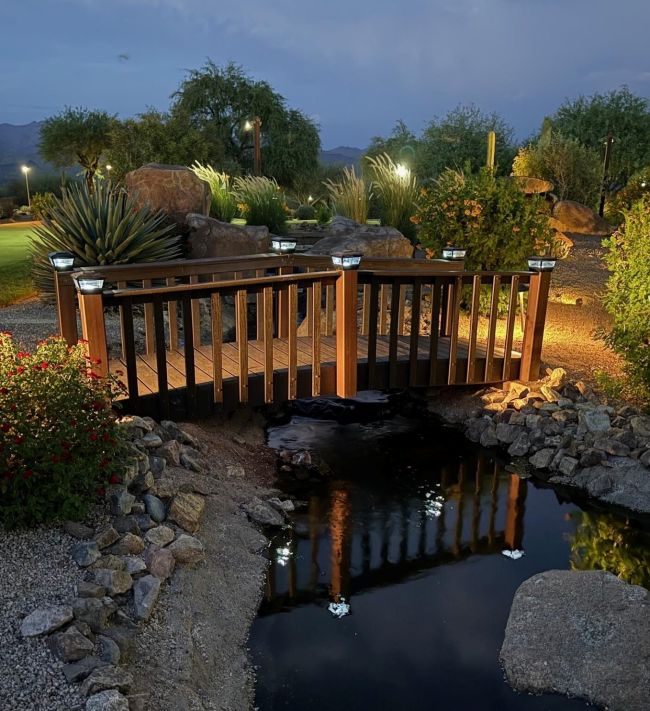
Designing a garden from the ground up can feel overwhelming—especially if you’re starting with an empty plot and no clear vision. In California, however, you have a unique advantage: a favorable climate, diverse landscapes, and access to exceptional natural materials such as redwood. This guide is written for garden owners who don’t know where to begin but want to create a space that is both functional and visually stunning.
One of the most powerful design ideas you can incorporate from the very beginning is a water feature combined with garden bridge. Thoughtfully placed garden bridges are not only practical but also act as strong visual anchors that instantly elevate the entire garden.
1. Start with the Landscape, Not with Decorations
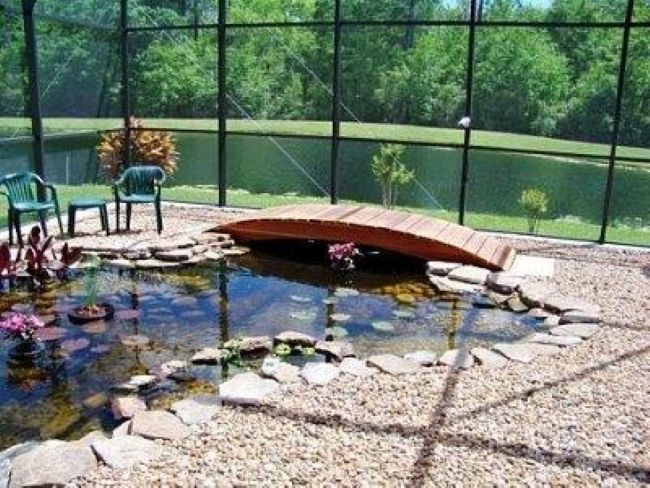
When designing a garden from scratch, the most common mistake is focusing too early on furniture, decorations, or plants. Instead, begin by understanding your land:
- How much sunlight does the garden receive?
- Are there natural slopes or low points?
- Where does rainwater naturally collect?
- Which areas should feel open, and which should feel intimate?
In California, many gardens benefit from gentle elevation changes. Even subtle differences in height can be transformed into a major design advantage when combined with a pond and garden bridges.
2. Why a Garden Pond Should Be Your First Major Feature
A garden pond is far more than a decorative element. It creates a focal point that brings calm, movement, and life into your outdoor space. In California’s warm climate, water features also help cool the surrounding area and attract birds and beneficial wildlife.
From a design perspective, a pond gives you something incredibly valuable: a reason to build garden bridges.
Garden bridges naturally guide movement, define paths, and create moments of transition. When placed over water, they feel purposeful rather than decorative, which is why they work so well in well-designed landscapes.
3. The Power of Garden Bridges in Outdoor Design
Garden bridges are one of the most underestimated design elements in private gardens. Many homeowners think of them as purely ornamental, but in reality, garden bridges serve multiple roles:
- They connect different zones of the garden
- They provide a visual focal point
- They add depth and structure to the landscape
- They create a sense of journey and exploration
In California-style gardens, garden bridges are especially effective when paired with natural materials and organic layouts rather than rigid symmetry.
A well-placed garden bridge can visually divide a garden without blocking sightlines, making even smaller spaces feel larger and more interesting.
4. Why Redwood Is the Perfect Material in California Gardens
Redwood is deeply connected to California’s natural identity. It’s not only visually stunning but also exceptionally practical for outdoor structures.
Redwood is:
- Naturally resistant to moisture and insects
- Extremely durable in outdoor conditions
- Visually warm and organic
- Perfect for blending into natural landscapes
This makes redwood an ideal material for garden bridges, especially when they are built over ponds or streams. Over time, redwood ages beautifully, developing a natural patina that enhances rather than degrades its appearance.
Using redwood garden bridges allows your garden to feel rooted in the local environment instead of looking imported or artificial.
5. Designing Garden Paths Around Bridges
Once you decide to include garden bridges, the rest of your layout starts to make more sense. Paths should never feel random; they should lead somewhere meaningful.
In a well-designed garden:
- Paths gently guide visitors toward the pond
- Garden bridges act as natural transition points
- The view changes subtly before and after crossing the bridge
This approach creates rhythm in the garden. Crossing a garden bridge becomes an experience, not just a way to get from point A to point B.
6. Blending Plants, Water, and Structure
California gardens often thrive on a balance between structured elements and natural planting. Around ponds and garden bridges, consider plants that soften edges and reflect in the water.
Tall grasses, shrubs, and low ground cover work beautifully when they partially frame a bridge without hiding it completely. The goal is harmony—not domination by either plants or structures.
Garden bridges should feel like they belong to the landscape, as if they’ve always been there.
7. Thinking Long-Term: A Garden That Grows with You
When starting from zero, it’s important to think years ahead. A pond and well-built garden bridges are permanent elements that anchor the garden as everything else evolves.
Plants can be changed, furniture replaced, and styles refined—but a thoughtfully designed water feature and solid garden bridges will always remain relevant.
This long-term perspective is what separates average gardens from truly memorable ones.
8. A Garden That Tells a Story
The most beautiful gardens don’t just look good—they tell a story. In California, that story can be about nature, space, and balance. A garden pond introduces calm. Garden bridges introduce movement and curiosity. Redwood introduces authenticity and regional character.
When these elements come together, the result is a garden that feels intentional, immersive, and deeply connected to its surroundings.
Final Thoughts
If you’re starting a garden from scratch and don’t know where to begin, focus first on structure, water, and flow. A pond combined with carefully designed garden bridges—especially built from redwood—can transform even the simplest plot of land into a refined, inviting landscape that reflects the spirit of California.This article was created with the support of the editorial team of the portal https://agrotemat.pl