Managing Underground Invaders: Effective Strategies for Controlling Root-Eating Pests
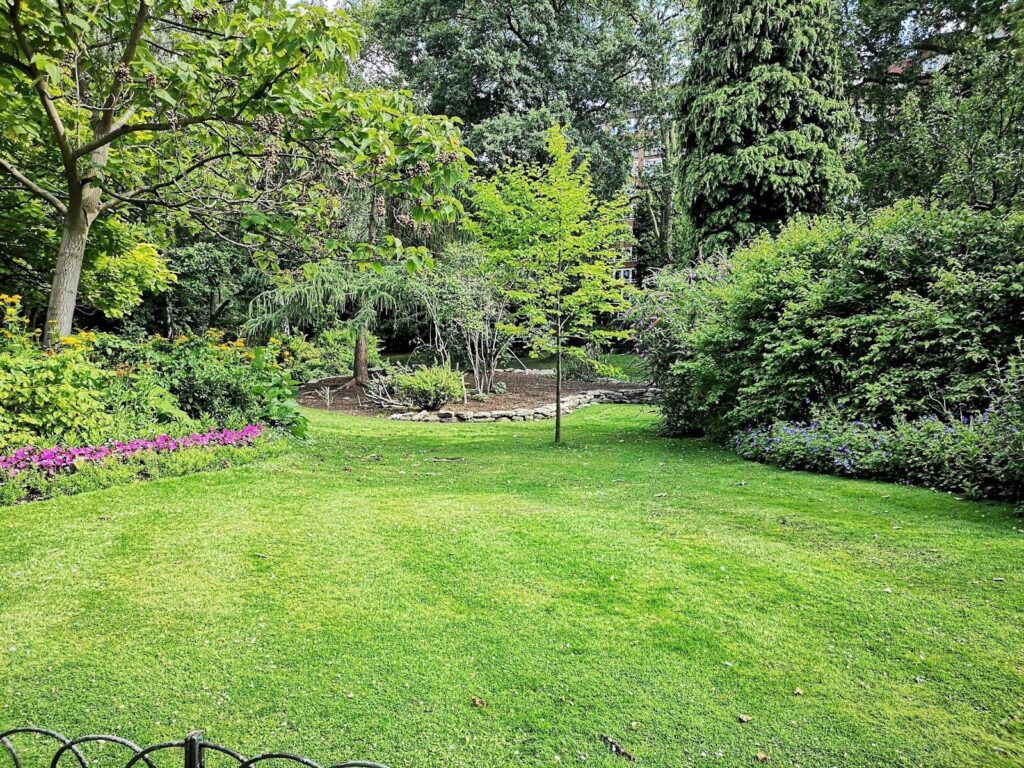
Whether you’re an expert or a beginner, root-eating pests are a common challenge for every gardener. They threaten gardens, allotments and crops, causing wilting, stunted growth or death. These subterranean pests often remain hidden, silently damaging roots and, if unchecked, can devastate plants or entire crops.
Fortunately, gardeners have effective strategies for controlling root-eating pests that can help ensure their garden remains fruitful and healthy.
Preventive Strategies
Proactive approaches are often more effective than reacting to problems as they arise. Here are a few ways to prevent root-eating pests.
Garden Hygiene
A garden routine is the practice of maintaining cleanliness in your plot. It is pivotal to keeping plants healthy, resilient and warding off pesky rodents — like any form of hygiene, a routine can make all the difference.
Garden hygiene includes regularly removing plant debris, weeds, fallen fruit and more. This is particularly important if a garden has experienced harsh weather conditions that can compromise its stability, such as heavy rain or strong winds. It’s also important to inspect root balls before planting, clean pots and containers thoroughly between uses, and promptly remove infected plants to prevent the spread of pests.
You can prevent pests by regularly keeping grass and weeds cut short around garden beds. Root-eating pests, such as voles, are attracted to areas of heavy vegetation or dense landscaping. Keeping a clear 1-meter strip around plants and vegetables can help protect them from pests.
Crop Rotation
Crop rotation is another effective strategy for controlling root-eating pests, which involves moving different groups of vegetables to different parts of the garden each year. By not planting the same crop family in the same spot, gardeners can disrupt the life cycle of soil-borne pests, such as the cabbage root fly. It also helps balance soil nutrients and prevents diseases that target specific plant types.
Physical Barriers
Installing physical barriers between sections of your garden is also an effective method. Make sure to cover vulnerable cops with insect-proof mesh or hotificultural fleece to prevent adult flies from laying their eggs in your plants.
Another benefit of installing physical barriers in your garden is their ability to deflect and redirect roots. When the roots of a plant encounter a barrier, it forces them to change direction — which can be either downward or away from an area that would make them vulnerable to root-eating insects.
Resistant Varieties
In gardening, resistant varieties are plants that have been bred to better withstand diseases, pests, and environmental stress. Selecting plants that are naturally pest-resistant is an effective and eco-friendly way to maintain a healthy garden. However, with so many resistant varieties available, the best choice will depend on your specific garden or allotment conditions.
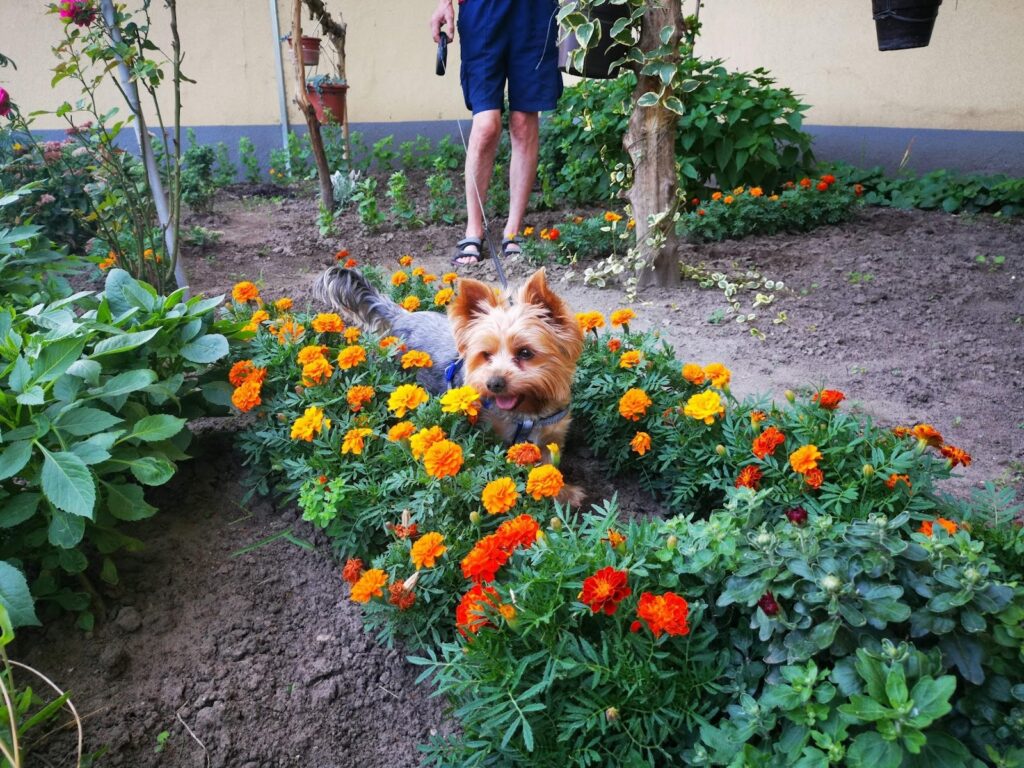
Marigolds are a great option for gardeners because they are generally resistant to root-knot nematodes — a microscopic, worm-like parasite — and can deter whiteflies and aphids. That said, it’s important to consider the climate conditions of your garden. Marigolds typically can’t survive the frost, meaning they should be planted usually between April and June in the UK.
Biological and Organic Strategies
If preventive measures have failed, don’t fret. There are plenty of biological and organic strategies you can use to ward off root-eating insects.
Nematodes
While many types of nematodes are root-eating, other types of nematodes can be beneficial for your garden. Nematodes, also known as roundworms or eelworms, are microscopic and thread-like creatures that act as parasites, releasing bacteria into an insect’s body before feeding on it. This is a powerful biological pest control tool, not a chemical one.
Focus on identifying garden pests to choose the most effective solution. For instance, if wine weevil grubs are causing you issues, the Steinernema kraussei or the Heterorhabditis bacteriophora nematode would work best. You can purchase all types of beneficial nematodes online or from a local gardening centre, and store them in the fridge until use. Mix with water when ready to apply to moist soil during early morning or late evening.
Natural Predators and Wildlife
Another biological and organic method to control root-eating insects is to encourage their natural predators. Although this might sound counterintuitive, making your garden welcoming to certain animals at certain times can actually be beneficial.
Simple measures, such as installing log piles, a small pond or areas of long grass in your garden, can attract wildlife that feed on subterranean pests. Beetles, frogs, toads and birds are all animals that you should welcome into your garden because they can help keep pest numbers in check.
Chemical Pesticides
Chemical methods can be another effective way to ward off root-eating pests — but proceed with caution. Ideally, using chemical pesticides should be a last resort, reserved for situations where other methods have failed or when dealing with a severe pest problem.
If you do intend to go down the chemical route, ensure that you’re well-versed in how to use these pesticides responsibly. Use your best judgment, and be aware that these chemicals can harm beneficial insects and other wildlife in your garden. Always read and follow the instructions on the label, and apply chemicals in a targeted manner to minimise the environmental impact.
While chemical intervention have their purpose, it’s also important to consider the long-term health of your garden. Nonchemical methods, such as biological and preventive strategies, can often be just as effective.
Restoring Balance in Your Garden
Root-eating insects might work out of sight, but they can stunt the growth of your crops and affect the health of your entire garden. Luckily, there is a range of strategies that are effective at warding off these invaders. Through consistent monitoring, as well as proactive preventive and biological methods, you’ll be able to reap the benefits of a healthy and flourishing garden.