Weather-Resistant Garden Entrances for All Seasons
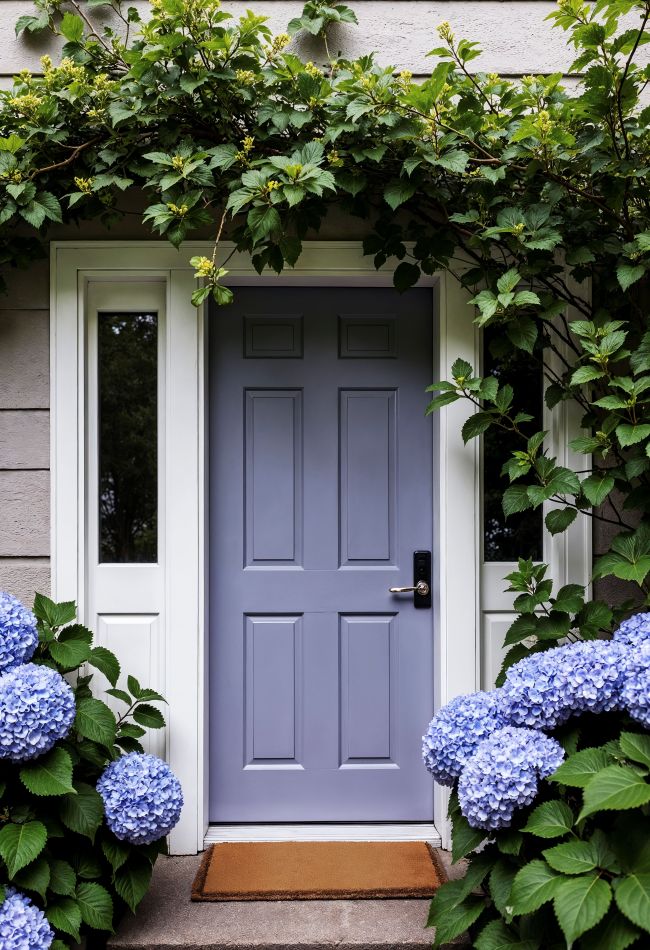
Garden entrances form the connection between indoor comfort and outdoor living. British weather challenges these access points year-round, making material choice and design especially important for maintaining performance and appearance.
The British climate presents unique challenges for external doors, with coastal properties facing salt-laden winds and inland homes dealing with ongoing rain and temperature fluctuations. Traditional wooden doors often warp, crack or fade, requiring regular upkeep and eventual replacement. Modern composite doors combine various materials to create strong barriers that maintain their structure and appearance through changing seasons.
With appropriate selection and installation, these long-lasting entrances can provide dependable service for many years, making them a popular choice for homeowners who are mindful of the weather.
Why Garden Entrances Need Weather Protection in British Climate
Many regions of the UK experience significant annual rainfall, resulting in challenging conditions for garden entrances. This ongoing moisture can cause standard doors to warp, become draughty, and succumb to rot or mould. Composite doors are designed to withstand these conditions, offering a stable entrance that resists the effects of damp and changing weather.
High-quality composite doors provide better protection against these conditions compared to traditional materials. Unlike timber doors that change shape with moisture differences, composite doors keep their shape and function regardless of weather conditions.
Insulation quality in garden entrances can have a significant impact on heat retention. Well-fitted and insulated doors help reduce heat loss, which is particularly important for garden rooms where maintaining a comfortable temperature is essential for usability and energy efficiency.
Recent UK climate trends show an increase in extreme weather events, with more regular storms, flooding, and temperature shifts. These changes make weather-resistant entrances even more important for garden structures.
Regional Weather Challenges Across the UK
Coastal areas face specific challenges for garden entrances. Salt-laden air speeds up corrosion of metal components, while strong winds push rain into even subtle gaps around doors. Properties near coastlines can experience salt spray that may damage hardware and materials.
The North of England and Scotland need doors with excellent thermal performance. In these areas, winter temperatures are generally lower than in southern regions, making heat retention especially important. Thermal bridging can create condensation and dampness in garden rooms.
Southern properties deal with different challenges, primarily UV damage and heat-related expansion. Doors in south-facing positions receive more direct sunlight, which can lead to fading and warping in standard materials. Temperature changes can impact door seals and alignment over time.
Material Performance in Garden Entrances
When choosing materials for garden entrances, differences in how they perform are noticeable in British weather. Timber doors offer classic appeal but need regular upkeep and are prone to warping in wet conditions. UPVC options are affordable but can discolour with UV exposure.
Composite doors combine the main qualities of several materials. These doors are known for their durability, insulation, and protection from the elements, making them a practical choice for garden rooms and entrances exposed to the weather.
For example, installing a door with a low U-value can result in a noticeably warmer garden studio on cold days, while a timber door with a higher U-value might let in draughts. This efficiency helps keep garden buildings usable through all seasons.
Composite Doors for Year-Round Garden Use
Modern composite external doors feature a solid timber core surrounded by a Glass Reinforced Plastic (GRP) outer skin. This arrangement creates outstanding strength while stopping moisture absorption. Between these layers, manufacturers add insulating foam that improves thermal performance.
The weather resistance of composite doors makes them an excellent fit for garden use. Unlike timber, they won’t warp or expand during seasonal changes. This stability ensures doors continue to open, close and lock correctly throughout the year, even in exposed garden locations.
Thermal performance information shows composite doors usually reach low U-values, making them good insulators for garden rooms. This insulation helps keep comfortable temperatures inside garden buildings while lowering heating expenses in colder months.
Design Considerations for Garden Entrances
Balancing appearance with weather performance requires careful planning for garden entrances. The door should complement both the main house and garden structures while providing protection against British weather. Materials must keep their look despite rain, sun and temperature shifts.
Glazing options have a notable impact on both light transmission and thermal efficiency. Double or triple glazing with low-emissivity coatings can reduce heat loss compared to single glazing. For garden rooms, larger glazed panels allow more natural light without sacrificing thermal performance.
Door styles should work well with garden architecture. Contemporary garden rooms pair with minimalist door designs featuring clean lines and modern hardware. Traditional garden structures benefit from doors with period details like panels or decorative glass.
Colour stability remains an important consideration in UK conditions. Premium composite doors use UV-resistant coatings that help prevent fading even in south-facing positions. This allows for bolder colour choices that keep their appearance for years without repainting.
Integrating Doors with Garden Room Design
Size choices make a genuine difference when designing garden building entrances. Standard residential doors may seem tight for garden rooms. Many designers choose wider entrances for a more open connection between indoor and outdoor spaces.
Placement options can greatly affect weather protection. If possible, position main entrances away from prevailing wind directions. In the UK, this usually means avoiding west or southwest-facing doors, which face the bulk of winter storms.
Small canopies or porches provide extra weather protection while creating transitions between garden and indoor areas. Good drainage around thresholds prevents water from pooling and damaging door frames or floors.
Installation Best Practices for Weather Protection
Professional installation brings clear advantages for garden entrances. While DIY installation may seem like a way to save money, incorrect fitting can cause gaps, draughts and water entry. Professional installers ensure doors are level, square and properly sealed.
Weather sealing steps are especially necessary in the UK climate. Quality silicone sealants should be used around frames, with expanding foam insulation to fill any gaps. Compression seals around the door edge must be adjusted correctly to prevent draughts.
Proper drainage solutions at thresholds prevent water buildup that can damage frames and flooring. For garden rooms, a threshold raised above the adjacent floor level creates a defined step that helps keep rainwater out during severe weather.
Seasonal Maintenance for Longevity
A seasonal inspection schedule helps keep garden entrances in good shape. During spring, check seals for winter damage and clean drainage channels. Summer inspections should focus on hardware lubrication and UV damage. Autumn maintenance includes clearing debris from thresholds and checking weatherstripping.
Cleaning routines vary depending on the material. Composite doors need only a soft cloth and warm, soapy water every few months. Avoid abrasive cleaners that could harm protective finishes. Hardware should be wiped clean and lubricated with light oil once a year.
Warning signs of weather damage include sticking doors, visible gaps around frames, and condensation between glazing panels. Addressing these problems quickly helps prevent bigger issues. Prompt maintenance can extend a door’s lifespan and keep entrances working well throughout the year.
Professional maintenance should be considered for issues that are harder to fix. Homeowners can tackle cleaning and general upkeep, but tasks like resealing or adjusting heavy hinges are best handled by qualified specialists. This prevents small faults turning into bigger problems