Why Oil Spill Cleaning Must Meet Strict UK Environmental Standards
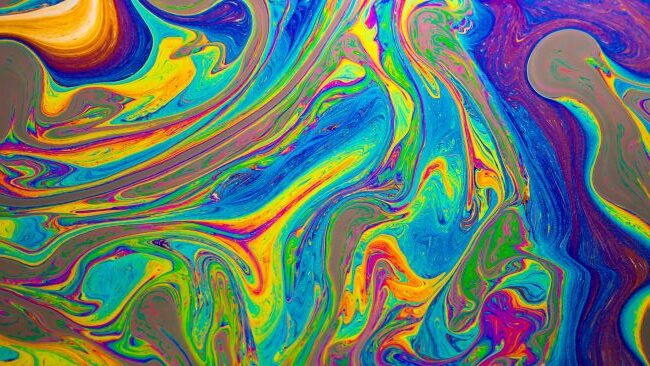
Oil Spill on Water
Oil spills aren’t rare or remote problems. They happen in car parks, industrial yards, plant rooms, marinas, and storage areas across the UK. Even a small spill can spread quickly, soak into surfaces, and reach drains or soil before anyone notices.
Because of that, oil spill cleaning isn’t just about tidying up a mess. It’s about protecting people, property, and the wider environment. Keep reading to understand why strict standards matter and what’s at stake when they’re ignored.
UK Environmental Laws Leave Little Room for Error
The UK has clear environmental laws that govern how oil spills must be handled. Regulations under the Environmental Protection Act and water protection rules place a legal duty of care on those responsible for land or buildings. If oil enters surface water, groundwater, or soil, the impact may last for years.
Regulators don’t just assess intent. They look at outcomes too. If a spill causes pollution, poor clean-up practices may still lead to enforcement action, fines, or clean-up orders. That’s why it’s important that a professional oil spill cleaning service is hired immediately, and they use compliant cleaning methods from the very first hour of response.
Oil Spills Pose Ongoing Environmental Risks
Oil doesn’t stay in one place. Once released, it may spread across hard surfaces, seep into porous materials, or travel through drainage systems. In outdoor areas, rainfall often pushes oil into nearby watercourses or soil.
This contamination might affect local wildlife, disrupt ecosystems, and reduce water quality. In urban areas, it may also impact public drainage systems, which places added strain on local authorities. Proper cleaning helps limit how far oil travels and reduces the chance of long-term damage.
Incorrect Cleaning Methods Can Make Pollution Worse
Some clean-up attempts spread oil further rather than containing it. Washing oil away with water, for example, often pushes contamination into drains. Using the wrong absorbents or chemicals may leave residues behind or react poorly with surfaces.
Compliant methods focus on containment first, then safe removal and disposal. This is where a good oil spill cleaning service becomes essential, as trained teams follow approved procedures that align with UK environmental standards and waste regulations.
Waste Handling and Disposal Are Strictly Controlled
Oil waste is classed as hazardous. That means it can’t be disposed of through general waste streams. Absorbents, contaminated materials, and recovered oil must be handled, stored, and transported correctly.
Licensed waste carriers and approved disposal routes are part of compliance. Without them, even a well-intentioned clean-up may still breach environmental rules. Proper documentation also matters, as it provides evidence that the spill was managed responsibly.
Businesses and Property Owners Carry the Risk
Responsibility usually sits with the site operator, landlord, or business owner. Even when a spill is accidental, failure to respond correctly may increase liability. Insurance policies may also expect evidence that recognised standards were followed during clean-up.
Beyond legal and financial concerns, there’s reputational risk. Environmental incidents attract attention, especially when pollution affects shared spaces or public areas. Meeting strict standards helps demonstrate accountability and care.
The Bottom Line
Strict standards exist for a reason. They protect waterways, land, wildlife, and people who rely on them. Oil spill cleaning done properly supports wider environmental goals while helping organisations meet their legal duties.
If a spill occurs, it’s important to act quickly, have an oil spill cleaning service on stand-by, follow recognised methods, and seek appropriate support.
Always consult qualified professionals when dealing with oil contamination.