Feeding Programme for Underfed Plants in the Garden
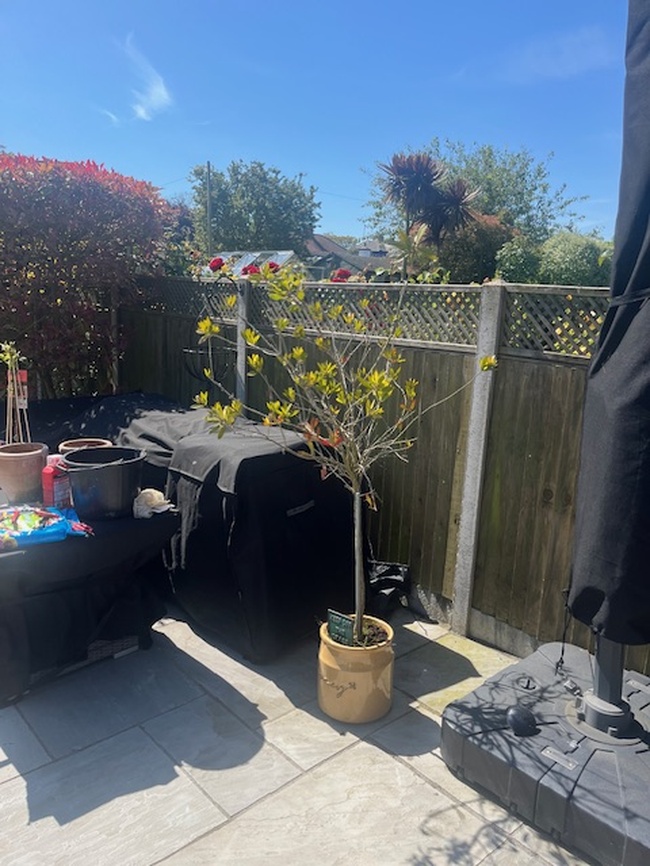
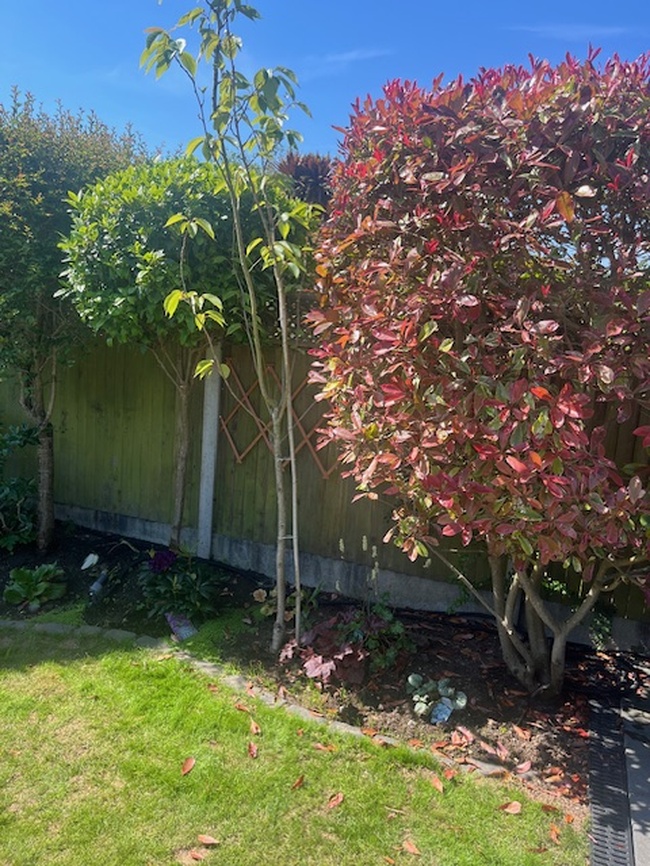
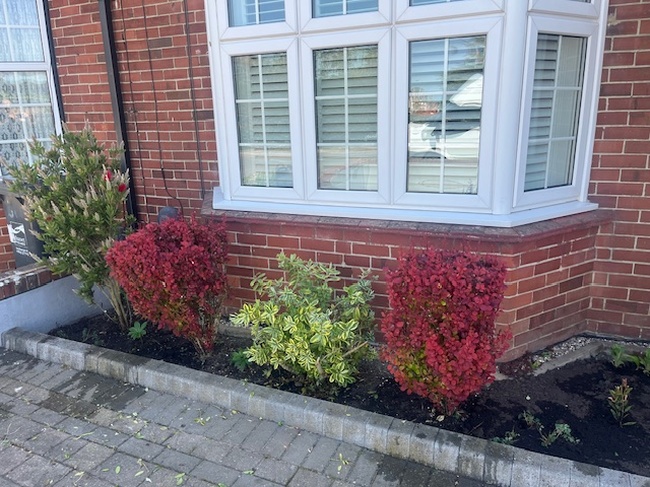
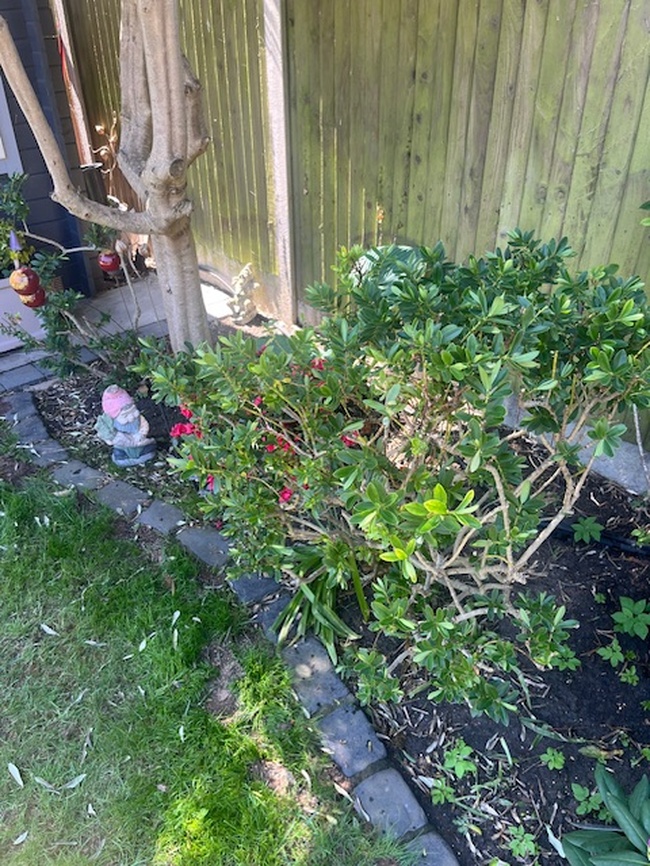
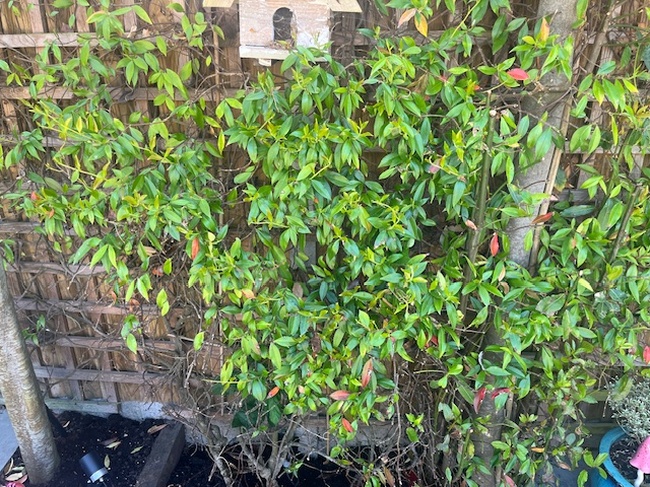
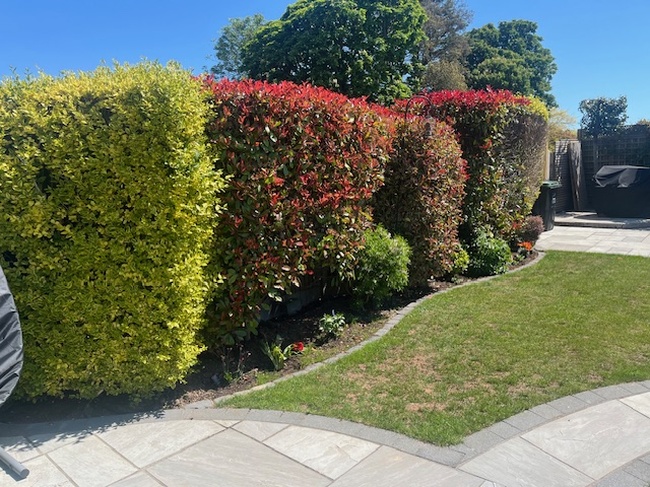
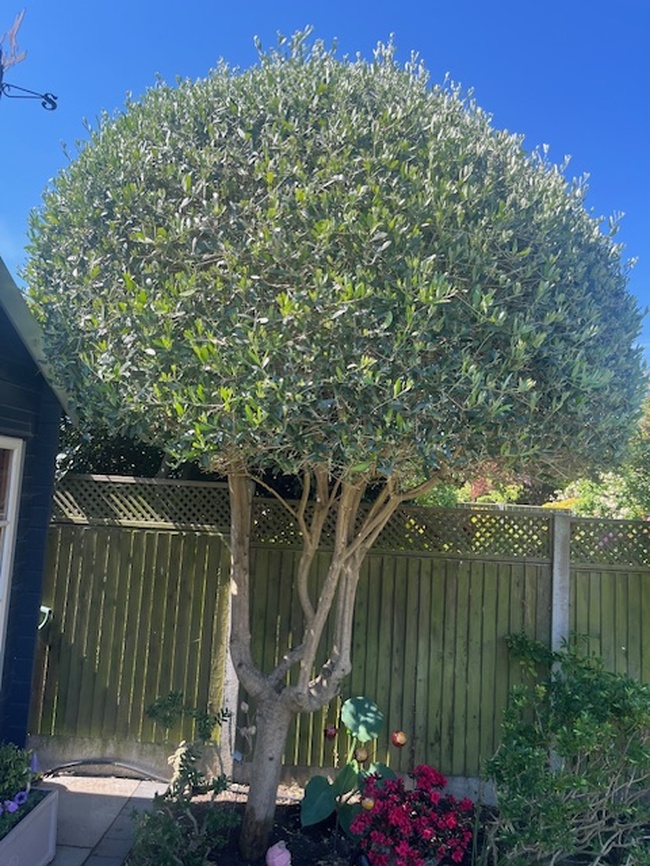
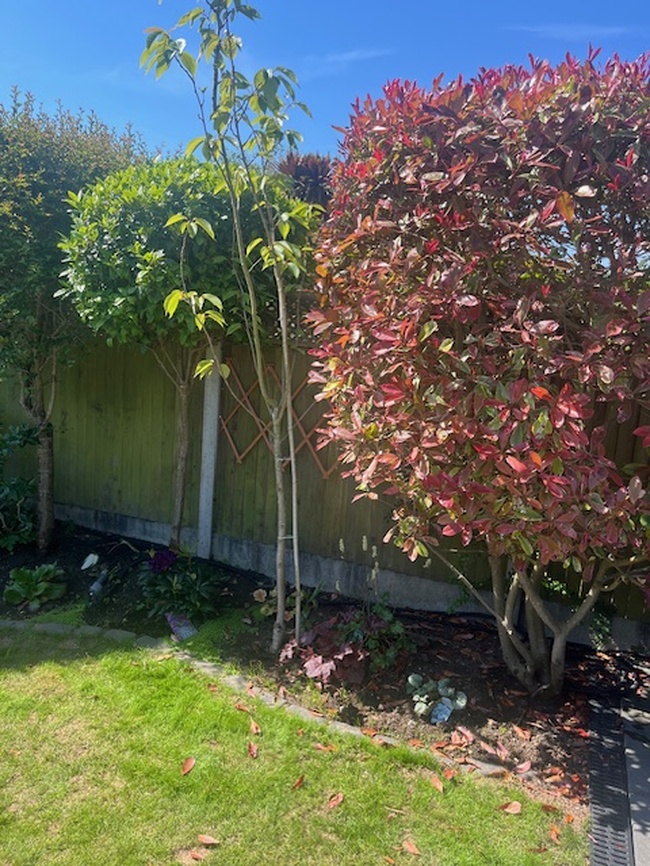
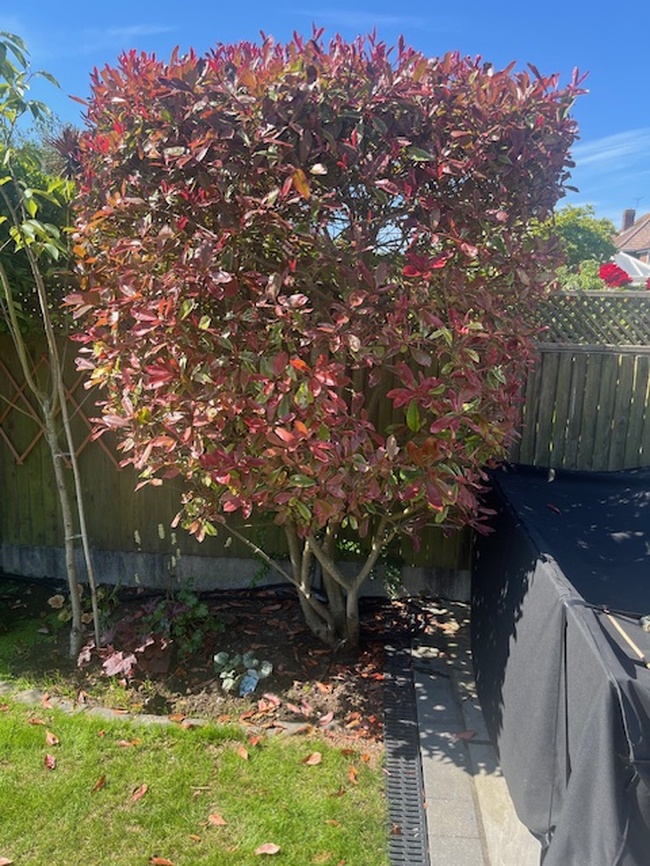
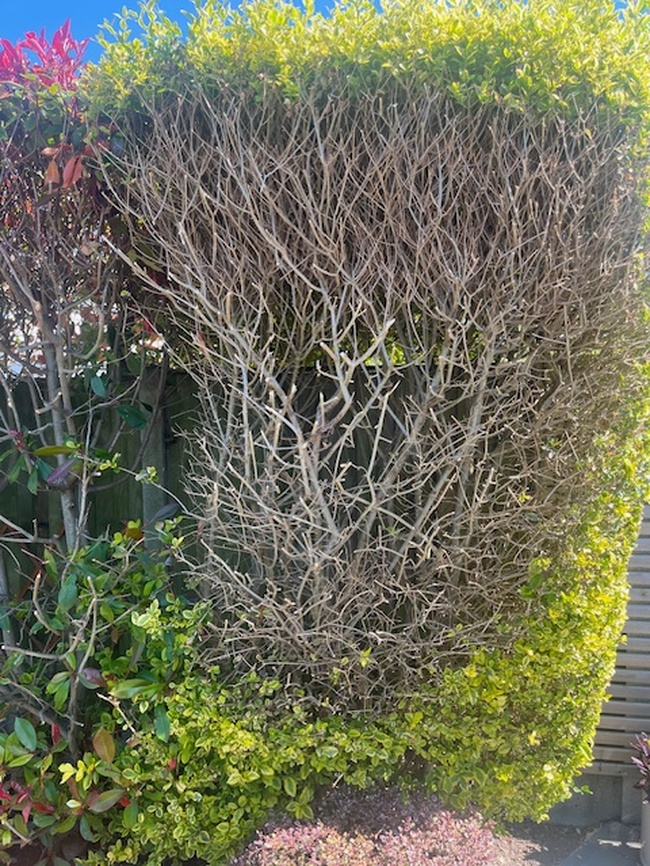
Several of the plants in the garden are showing signs that they would benefit from additional feeding this season. This is fairly common where plants have been growing in the same soil for a number of years, have been clipped regularly, or where nutrients have gradually been washed out of the soil through winter rain.
Typical signs of underfeeding include:
- Pale or slightly yellow foliage
- Thin or weak growth
- Reduced vigour
- Sparse foliage inside shrubs and hedges
- Poor flowering or limited new growth
To help the plants recover, we will begin a feeding programme using a high nitrogen fertiliser, such as Miracle-Gro soluble feed, which contains approximately 24% nitrogen. Nitrogen is particularly important for encouraging strong green leafy growth and helping plants regain vigour quickly.
Later in the season, once the plants have produced healthy new growth, we will switch to a high potash liquid feed, such as tomato fertiliser, to encourage flowering, strengthen stems, and improve overall plant health.
Plants to Be Included in the Feeding Programme
Bottlebrush Tree (Callistemon)
The bottlebrush tree appears slightly sparse and would benefit from regular feeding, particularly as it is growing in a container where nutrients are quickly exhausted.
Feeding
- Weekly Miracle-Gro feeds until the end of July
- Later switch to liquid tomato fertiliser every 2–3 weeks
Cherry Tree
The young cherry tree would benefit from feeding to encourage stronger establishment, greener foliage, and improved growth.
Feeding
- Weekly high nitrogen feeding
- Mulch around the base to retain moisture
- Switch to high potash feed later in the season
Hebes
The hebes are showing signs of becoming slightly woody with thinner foliage. Feeding should help stimulate fresh shoots and improve density.
Feeding
- Weekly Miracle-Gro feeding initially
- Light trimming after flowering to encourage bushier growth
- Later switch to high potash feed
Jasmine
The jasmine would benefit from additional feeding to improve foliage colour and encourage stronger flowering growth.
Feeding
- Weekly high nitrogen feed during the recovery period
- Ensure regular watering during dry weather
- Later feed with high potash fertiliser
Photinia
The photinia hedging and shrubs will benefit from feeding to encourage stronger red young growth and improve overall density.
Feeding
- Weekly Miracle-Gro feeding until late July
- Particularly useful after clipping or pruning
- Later switch to high potash feed to strengthen growth before autumn
Privet Plant
The privet plant has become rather bare internally, which is common with regularly clipped hedges that have not been fed sufficiently.
Feeding
- Weekly high nitrogen feeding
- Reduce trimming temporarily where possible
- Water well during dry weather
- Feeding should encourage fresh lower growth over time
Olive Tree
The olive tree is generally healthy but, because it is maintained as a clipped specimen tree, it will still benefit from feeding to maintain dense foliage and vigour.
Feeding
- Feed every 2 weeks rather than weekly
- Avoid excessive nitrogen feeding
- Later switch to balanced or high potash feed
General Feeding Plan
Stage 1 — Recovery and Green Growth
Feed with:
- Miracle-Gro soluble fertiliser (high nitrogen)
Frequency:
- Once a week
- From now until approximately the end of July
Benefits:
- Encourages lush green growth
- Improves foliage colour
- Helps plants recover more quickly
- Encourages stronger shoots and stems
Stage 2 — Flowering and Strengthening
Later in the season switch to:
- Liquid tomato fertiliser or another high potash feed
Frequency:
- Every 2–3 weeks
Benefits:
- Improves flowering
- Strengthens stems and growth
- Helps plants prepare for autumn and winter
- Improves overall resilience and plant health
Regular watering and mulching alongside the feeding programme will significantly improve the effectiveness of the treatment and should result in stronger, healthier plants throughout the garden over the coming months.