Why Spring Is the Right Time to Switch to Biological Pest Control
Every spring, the same problems return to UK gardens. Slugs appear as soon as the soil warms, lawns begin to show signs of leatherjacket damage, and young plants suddenly look far more vulnerable than they did a week earlier. Since April 2022, outdoor use of metaldehyde slug pellets has been banned in the UK. For gardeners trying to avoid routine chemical treatments all together, spring is the ideal time to switch to biological pest control.
Used properly, biological controls can be a practical and effective way to reduce pest pressure while working with the garden environment rather than against it. Among the best known are nematodes: microscopic organisms that target specific pests in the soil and help reduce damage before it gets out of hand.
What are Nematodes?
Nematodes are microscopic roundworms that occur naturally in soil. Some are harmful to plants, but the species used in biological pest control are selected because they target particular garden pests without affecting birds, pets, pollinators, or earthworms.
Once watered into the soil, they seek out their target host and infect it, reducing the pest population over the following weeks. Because they act below ground, they are especially useful against pests that are hard to spot until damage is already visible.
For many gardeners, the appeal is simple: they leave no chemical residue, they can be applied with an ordinary watering can, and they fit well into a more wildlife-friendly gardening approach.
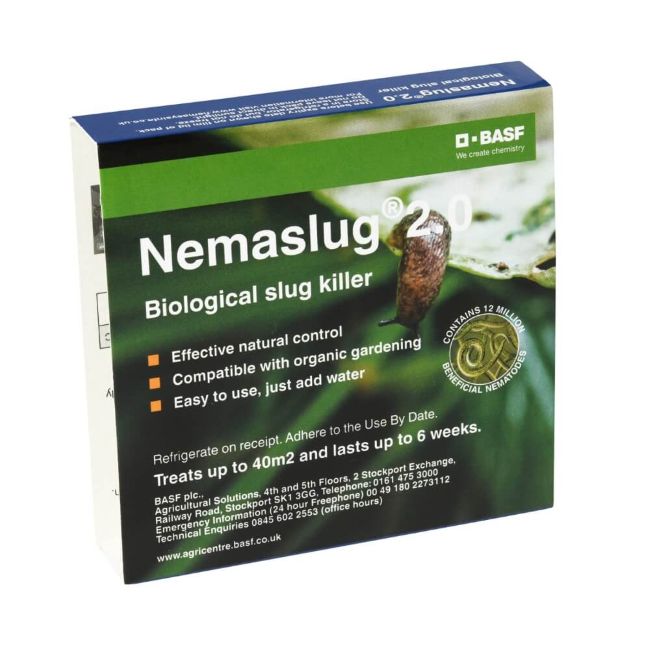
A good starting point for anyone new to the approach is to look at what slug nematodes cover: most sachets treat 40 square metres, which is enough for a typical vegetable bed or border.
Why Timing Matters In Spring
Biological controls are most effective when used at the right point in the season. Nematodes are living organisms, so they need suitable conditions to work well. In general, soil temperatures need to be above 5°C before most spring applications become worthwhile.
That timing matters because many common pests are also becoming active as the soil warms. Applying treatment in late March or early April often means dealing with pests before their numbers build and before the worst damage appears on crops, borders, or lawns.
Apply too early and cold soil can reduce effectiveness. Leave it too late and the damage may already be done. Spring is the point where prevention is often easier than cure.
Which Pests Can Biological Controls Help With?
Different biological controls are used for different pests, and this is where gardeners sometimes get caught out. They are not interchangeable, so choosing the right one matters.
Slugs
Slug nematodes (Phasmarhabditis californica) are one of the best-known options for spring use. They target slugs in the soil, helping reduce damage to seedlings, lettuces, hostas, and other vulnerable plants.
Leatherjackets
Leatherjacket nematodes (Steinernema feltiae) are used on lawns, where crane fly larvae feed on grass roots and can leave patches looking weak, thin, or drought-stressed.
Vine Weevil
For container gardeners, vine weevil nematodes are often the most useful biological control. The larvae feed below the compost surface and can cause sudden collapse in potted plants.
Aphids And Other Surface Pests
Not all biological control comes in nematode form. Some spring pests are better tackled with predators such as ladybird larvae or other beneficial insects, particularly in greenhouses or sheltered growing spaces.
How to Apply Nematodes Successfully
Application is simple, but success depends on getting the basics right.
- Apply to moist soil
- Treat during mild conditions
- Avoid strong sun where possible by applying in the evening or on an overcast day
- Water before and after application
- Keep the soil moist for at least two weeks afterwards
- Check pack instructions carefully, as live products have a limited shelf life
For smaller areas, a watering can is usually enough. For larger lawns or veg plots, some gardeners prefer to use an applicator to speed things up. Garden Wildlife also offers applicators alongside its nematode range, which can make treating bigger areas a bit simpler.
Biological Control Works Best As Part of a Wider Approach
Biological pest control is useful, but it works best when combined with good garden practice. Relying on one method alone rarely gives the strongest long-term results.
A more rounded approach might include:
- reducing slug hiding places around vulnerable plants
- using barriers such as cloches, netting, or copper tape where appropriate
- encouraging natural predators in the garden
- checking crops and young plants regularly in spring
- acting early, before pest populations build
This combination is often more effective than repeatedly reacting once visible damage has already appeared.
A Practical Spring Habit Worth Adopting
For gardeners looking to reduce chemical use, spring is the best time to make biological pest control part of the routine. The soil is warming, pests are becoming active, and young plants are at their most vulnerable.
Used early and correctly, biological controls can help prevent the worst of the season’s damage and support a healthier balance in the garden overall. They are not a miracle fix, but they are a useful and increasingly practical tool for gardeners who want effective pest management with less environmental impact.