Should You Encourage Spiders in Your Garden? What Spiders Really Eat
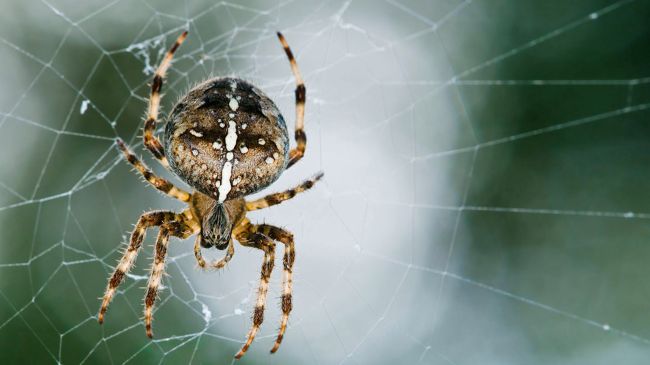
Garden spiders remain some of the most overlooked helpers in outdoor spaces, despite controlling insect populations. Many gardeners spend time removing bugs from plants and garden beds while overlooking the natural predators already reducing nuisance pests. Instead of damaging plants or requiring constant upkeep, spiders provide steady, low-maintenance pest control throughout the growing season.
Their presence also supports a more balanced food web, which can reduce the need for frequent chemical treatments in home gardens. While spiders can’t eliminate every pest problem, they contribute to a more stable environment where beneficial predators and pollinators can coexist more naturally.
Why Spiders Belong in a Healthy Garden
Spiders are predators that help keep insect populations under control within outdoor ecosystems. Balanced gardens rely on relationships between predators and prey instead of constant chemical intervention, which allows beneficial organisms to manage pest activity more naturally. Because spiders invade almost every type of habitat and rank among the most abundant invertebrate predators in terrestrial ecosystems, they contribute to population control across lawns and vegetable beds.
Their steady hunting activity regulates insects before infestations grow severe enough to damage crops or overwhelm garden spaces. Despite common fears, most spiders prefer quiet outdoor environments where they can hunt undisturbed. They typically avoid direct interaction with people whenever possible.
What Spiders Eat in Gardens
Many gardeners assume spiders catch random insects, but their feeding habits often benefit plants more than expected. Understanding what spiders eat explains why these predators maintain balanced garden ecosystems.
Common Garden Pests Spiders Hunt
While different species target different prey, many spiders reduce populations of insects that damage plants or create problems in outdoor spaces.
- Aphids
- Mosquitoes
- Flies
- Moths
- Leafhoppers
- Caterpillars
- Gnats
- Beetles
- Ants
How Different Spiders Hunt
Spider species use various strategies to hunt prey in garden ecosystems. Web-building spiders secrete special sticky silk, which they deposit in small drops over the spiral web strands to trap insects that fly into them.
Ground hunters move through mulch and leaf litter to catch crawling pests hiding near plant roots, while jumping spiders stalk insects across leaves and stems with sharp vision and quick movements. Because different hunting styles target different pests, garden spiders help control insect activity across multiple layers of the landscape rather than focusing on a single area alone.
Why Their Diet Benefits Gardeners
Spiders reduce pest pressure naturally by feeding on various bugs before populations grow large enough to damage plants or overwhelm garden spaces. Their hunting activity takes place day and night across soil, mulch and flowering plants, which creates steady insect control without the need for constant human intervention. Unlike some insects that chew leaves or damage stems, spiders hunt continuously without harming flowers or surrounding plant life.
Some species do eat ants occasionally, although spiders aren’t the most effective ant control method because many species avoid ants due to their aggressive behaviour and defence abilities. Because of their broad feeding habits, spiders help gardeners reduce reliance on chemical pesticides while maintaining a more balanced and resilient ecosystem.
Common Fears and Misconceptions About Garden Spiders
Although many people feel uneasy around spiders, most garden species are harmless to humans and prefer to remain out of sight whenever possible. Spiders have the potential to cause harm, but they will rarely bite, even in areas where they’re very common. They prefer to stay hidden and avoid people instead of interacting with them. In gardens, spiders usually gather in places where food sources already exist, which means their presence often reflects insect activity rather than a growing spider problem.
Their population also regulates itself naturally based on the amount of available prey, so outdoor spaces rarely become overwhelmed with spiders for long periods. Because spiders are solitary and territorial, many species avoid competing closely with one another and spread themselves throughout different hiding spots in the landscape. Most species also avoid noise and regular human activity, which makes them less aggressive and noticeable than many gardeners assume.
How Gardeners Can Encourage a Healthy Spider Population
Several subtle signs can indicate that a garden supports a healthy spider population without becoming overrun by pests. Small webs stretched between plants or shrubs often suggest that web-building spiders are actively trapping flying insects throughout the landscape. In some environments, spiders can form groups of hundreds of interconnected webs. They provide large surface areas capable of intercepting airborne insects, which reduces flying pest activity naturally over time.
Gardeners may also notice visible jumping or hunting spiders moving across leaves or stems during early mornings or evenings when many species become more active. Instead of eliminating all insects entirely, healthy spider populations usually contribute to balanced insect activity where severe infestations become less common and ecosystems remain more stable overall.
People who want to attract more spiders to their gardens can do several things to encourage them. Dense plants, natural mulch like grass clippings and woodchips, and piles of leaves give them a place to hide and wait for prey. Tall plants and shrubs are good environments for web-spinning and bungee-jumping down on insects. Gardeners should also avoid using pesticides, as they disrupt spider behaviour, lifespan and web repair.
Why Healthy Gardens Need Natural Predators
Understanding what spiders eat helps gardeners recognise how these predators naturally reduce pest populations without damaging plants or disrupting the surrounding environments. Supporting garden spiders through diverse planting and sheltered habitats can encourage a more balanced ecosystem. Rather than viewing spiders as unwanted pests, many outdoor spaces benefit when beneficial predators have safe places to thrive naturally.