Creating the Perfect Garden for Relaxation and Wellbeing
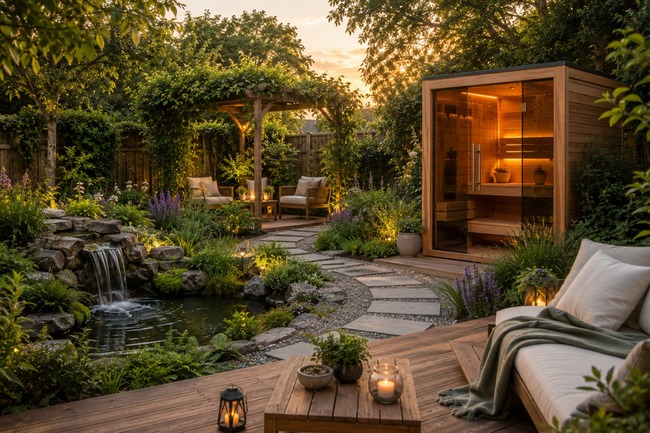
Modern gardens have evolved far beyond simple lawns and flower beds. Today, many homeowners view their outdoor spaces as extensions of their homes—places where they can unwind, reconnect with nature, and escape the pressures of everyday life. Creating a garden that promotes relaxation and wellbeing is not just about aesthetics; it is about designing an environment that supports both physical and mental health.
Whether you have a compact urban garden or a larger countryside plot, thoughtful planning can transform your outdoor space into a personal sanctuary.
Start with a Purpose
Before making any changes, consider how you would like to use your garden. Some people seek a peaceful retreat for reading and meditation, while others want a space for entertaining family and friends. Understanding the primary purpose of your garden will help guide decisions about layout, planting, and features.
A well-designed garden often includes dedicated zones. For example, a seating area for relaxation, a dining space for social gatherings, and a planting area that encourages biodiversity can work together to create a balanced environment.
Embrace Natural Planting
Plants play a vital role in creating a calming atmosphere. Research has consistently shown that spending time around greenery can reduce stress and improve mood. When selecting plants, aim for a mix of textures, colours, and seasonal interest.
Lavender, rosemary, and jasmine are popular choices due to their pleasant scents, which can help create a soothing environment. Ornamental grasses add movement and softness, while flowering perennials provide colour throughout the growing season.
Native plants are particularly valuable because they support local wildlife and generally require less maintenance than exotic species.
Create Comfortable Seating Areas
No relaxation garden is complete without somewhere comfortable to sit and enjoy the surroundings. Position seating in areas that receive pleasant sunlight while also providing some shade during warmer days.
Wooden benches, rattan furniture, and cushioned outdoor seating can all contribute to a welcoming atmosphere. Consider placing seating near attractive planting schemes or water features to maximise enjoyment of the space.
Adding outdoor rugs, cushions, and blankets can further enhance comfort while helping the area feel like an extension of your indoor living space.
Introduce Water Features
The gentle sound of moving water can have a remarkably calming effect. Even a small fountain or pond can create a sense of tranquillity while attracting birds and beneficial insects to the garden.
Water features do not need to be elaborate. Simple designs often work best, blending naturally with the surrounding landscape rather than dominating it.
For those with limited space, wall-mounted water features or compact fountains can provide similar benefits without requiring extensive installation.
Focus on Privacy
A relaxing garden should feel like a private escape from the outside world. Strategic planting, fencing, trellises, and pergolas can help create a sense of enclosure without making the space feel confined.
Climbing plants such as clematis, honeysuckle, and climbing roses can soften boundaries while adding colour and fragrance. Hedges are another effective option for creating natural screening and reducing noise from neighbouring properties.
Consider Wellness-Focused Features
Many homeowners are now incorporating features specifically designed to support wellbeing. Yoga decks, meditation corners, and outdoor relaxation spaces are becoming increasingly popular.
One growing trend is the addition of Outdoor Saunas, which allow homeowners to enjoy the benefits of heat therapy within the comfort of their own gardens. These installations can complement a wellness-focused outdoor space while encouraging year-round use of the garden.
When introducing larger features, it is important to ensure they integrate naturally with the overall design rather than overwhelming the landscape.
Enhance the Garden with Lighting
Thoughtful lighting can dramatically extend the usability of your garden while creating a warm and inviting atmosphere during the evening.
Solar-powered lights, lanterns, and low-level pathway lighting can highlight key features without creating excessive brightness. The goal should be to create a soft, ambient glow that enhances relaxation rather than resembling a floodlit outdoor space.
Lighting can also improve safety by illuminating steps, pathways, and seating areas.
Encourage Wildlife
Gardens that support wildlife often feel more vibrant and connected to nature. Bird feeders, pollinator-friendly plants, and small ponds can attract a variety of species throughout the year.
The presence of birds, butterflies, and bees adds movement and life to the garden, creating a richer sensory experience for homeowners.
Wildlife-friendly gardening practices also contribute positively to local ecosystems and biodiversity.
Final Thoughts
Creating the perfect garden for relaxation and wellbeing is about more than adding attractive features. It involves designing a space that encourages you to slow down, reconnect with nature, and enjoy time outdoors.
By combining thoughtful planting, comfortable seating, privacy, and carefully selected wellness features, you can create a garden that supports both physical and mental wellbeing throughout the year. With careful planning, even the simplest outdoor space can become a peaceful retreat that enhances your daily life.