Mulching Flower Borders: Protecting Your Plants During Drought and Improving Your Soil
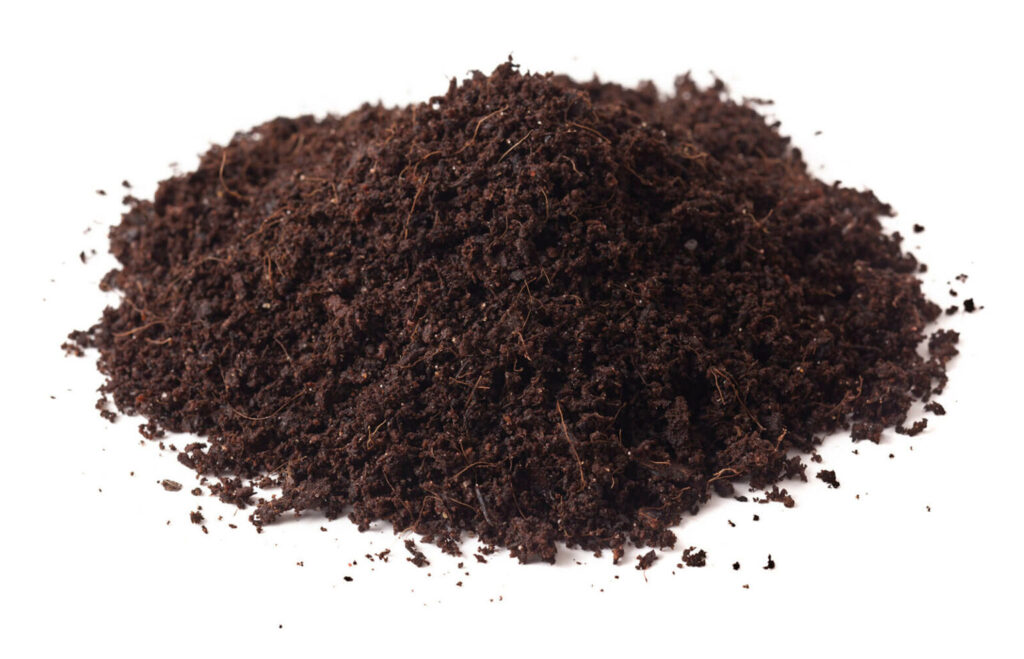
Mulching is one of the simplest yet most effective steps you can take to improve the health and appearance of your flower borders. A good mulch does more than just make beds look tidy; it protects plants in dry spells, improves soil structure, and suppresses weeds. With the changing climate and the likelihood of longer summer droughts, mulching has become a vital part of modern gardening.
Why Mulching Matters in a Drought
During hot, dry weather, soils lose moisture quickly through evaporation. Plants in flower borders are especially vulnerable, as shallow-rooted perennials and bedding plants can dry out rapidly. Mulching provides several key benefits in a drought:
- Moisture Retention – A mulch layer reduces evaporation, keeping water available for plant roots for longer. In some cases, mulched soil can hold up to 70% more moisture than bare soil.
- Temperature Regulation – Mulch insulates the soil, helping to keep it cooler in summer heat and warmer in winter cold. This reduces stress on plants during extremes.
- Weed Suppression – Mulch blocks light from reaching weed seeds, meaning fewer weeds competing with your plants for scarce water and nutrients during dry periods.
Soil Improvement Through Mulching
Mulching isn’t just a short-term fix for water retention — it also improves the soil beneath over time:
- Organic Matter Addition – When natural mulches (such as compost or bark) break down, they add humus to the soil, improving structure, fertility, and biological activity.
- Better Drainage & Aeration – Improved soil structure means water drains more evenly, reducing waterlogging in wet periods and cracking in dry periods.
- Encourages Soil Life – Mulches provide food and habitat for worms, fungi, and beneficial microbes, all of which enhance soil health.
Materials You Can Use for Mulching
A wide variety of mulching materials can be used in flower borders. The choice depends on your garden style, soil type, and availability of materials.
Organic Mulches
These not only suppress weeds and conserve water, but also enrich the soil as they decompose.
- Garden Compost – Ideal for feeding borders, especially mixed perennial beds.
- Well-Rotted Manure – Adds valuable nutrients while conserving moisture.
- Leafmould – Excellent for improving soil structure, especially in woodland-style borders.
- Bark Chippings or Wood Chips – Long-lasting, tidy in appearance, and slow to break down.
- Straw or Hay – Useful in cottage gardens; effective at moisture retention but less tidy.
- Spent Mushroom compost – useful on clay soils
Inorganic Mulches
These don’t enrich the soil but are long-lasting and low-maintenance.
- Gravel or Decorative Stone – Good for Mediterranean-style borders with drought-tolerant plants. Reflects heat and reduces evaporation.
- Landscape Fabrics with Stone/Bark Covering – Effective for low-maintenance areas but can limit soil improvement.
Tips for Successful Mulching
- Always water the soil thoroughly before applying mulch, especially in dry weather.
- Apply mulch in spring or autumn, when soil is moist.
- Spread evenly to a depth of 5–8 cm (2–3 inches), keeping mulch clear of plant stems to prevent rot.
- Refresh organic mulches every year or two as they break down.
Final Thoughts
Mulching is one of the most sustainable ways to care for flower borders. It protects plants during drought, reduces the need for watering, and steadily builds healthier soil. By choosing the right mulch for your garden, you can create borders that are more resilient, attractive, and easier to maintain year-round.