Carmel’s Gardening Tasks for May
May is one of the busiest and most important months in the garden. Growth is moving quickly now, borders are filling out, and this is the perfect time to shape the garden for strong summer colour and healthy growth. In Carmel’s garden, the focus this month is mainly on feeding, mulching, lawn improvement, tying in climbers, light pruning, weed control and monitoring pests and diseases.
More garden-specific notes and updates can also be found here:
https://gardenadvice.co.uk/redgate/
These notes are based on recommendations from Elena, Carmel’s personal AI gardening assistant, together with our latest garden observations and seasonal tasks.
1. Lawn Care and Clover Sowing
The lawn should now be growing strongly and this is a good time to improve its long-term condition.
What to do
- Continue mowing regularly, but avoid cutting too short.
- Consider overseeding parts of the lawn with clover to improve drought resistance and reduce feeding requirements long term.
- If the clover sowing is delayed until autumn, apply a lawn feed now to maintain healthy growth through summer.
- Keep an eye out for weeds and remove them before they spread.
Clover Notes
Adding clover into lawns can:
- Improve drought tolerance
- Reduce fertiliser requirements
- Keep the lawn greener in dry weather
- Improve pollinator value
Autumn is often the easiest time to establish clover successfully, especially if the lawn becomes dry during summer.
2. Weed Control and Border Maintenance
May is the month when weeds can suddenly take over if left unchecked.
What to do
- Weed little and often.
- Hoe or hand-pull weeds while they are still small.
- Continue monitoring areas where weed sheeting, cardboard and mulch have not yet been installed.
- Remove weeds completely from the beds during wet weather.
Important
If weeds are left lying on damp soil during rainy weather, many can simply re-root and continue growing.
Mulching and continued ground cover planting will gradually reduce the workload over time.
3. Slug Control and Nematodes
Soft new growth and young plants are particularly vulnerable during May.
What to do
- Keep an eye out for slug and snail damage.
- Apply nematodes where possible, especially around vulnerable plants and newly planted areas.
- Continue checking seedlings and soft young growth regularly.
Why now?
May conditions are ideal for slug activity, particularly during mild wet spells.
For more information on natural slug control:
https://gardenadvice.co.uk/blog/natural-slug-control-with-nematodes/
4. Watch for Mildew and Plant Diseases
Warm days combined with cooler nights can encourage mildew problems.
What to look for
- White powdery coating on leaves
- Distorted or stressed young growth
- Poor air circulation around plants
What to do
On plants such as the honeysuckle, apply vitax yellow sulphur if mildew begins to appear.
This is often most effective when applied early before the problem spreads heavily through the plant.
5. Pruning and Trimming Shrubs
Several shrubs will benefit from light pruning once flowering finishes.
Spiraea
- Lightly trim after flowering.
- Remove straggly shoots and maintain shape.
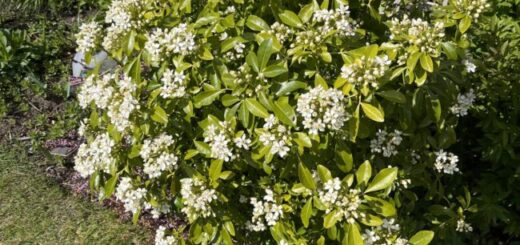
Choisya
- Lightly prune once flowering finishes.
- Remove any damaged or overly long stems.
Ceanothus
- Lightly trim after flowering only.
- Remove soft new growth to maintain size and shape.
Important
Avoid cutting ceanothus and choysia back into old bare wood, as it often struggles to regenerate from hard pruning.
6. Birch Tree Maintenance
The birch tree near the gate would benefit from some light maintenance.
What to do
- Remove dead wood from underneath the canopy.
- Simply snap or break out brittle dead branches where possible.
- Remove hanging dead twigs and congested dead growth.
Why now?
This helps:
- Improve appearance
- Reduce congestion within the canopy
- Allow more light and airflow through the tree
Only dead material should be removed — avoid major pruning during active sap flow.
7. Feeding Borders and Pots
May is the ideal month to begin regular feeding.
What to do
- Feed flowering plants and borders every 3–4 weeks with a liquid tomato fertiliser.
- Continue feeding containers and hanging baskets regularly.
- Newly planted shrubs and climbers will benefit from feeding while actively growing.
Particularly useful for
- Roses
- Hydrangeas
- Climbers
- Photinia
- Seasonal bedding plants
- Newly planted shrubs
Mediterranean-style plants such as lavender and santolina should only be lightly fed.
8. Mulching and Soil Improvement
This remains one of the most important jobs in Carmel’s garden.
What to do
- Apply bark mulch or wood chips around shrubs and borders.
- Mulch after rainfall or watering.
- Keep mulch away from stems and crowns.
Benefits
Mulching helps:
- Hold moisture in the soil
- Suppress weeds
- Improve soil structure gradually
- Create a more finished appearance
The mulched areas will also help visually connect newer planting schemes throughout the garden.
9. Tie In Climbers and Roses
Many climbers grow rapidly during May.
What to do
- Tie in roses while stems remain soft.
- Secure clematis and climbers onto supports and wires.
- Train stems horizontally where possible to encourage more flowers.
Why now?
Early tying-in prevents wind damage and creates fuller flowering displays later in summer.
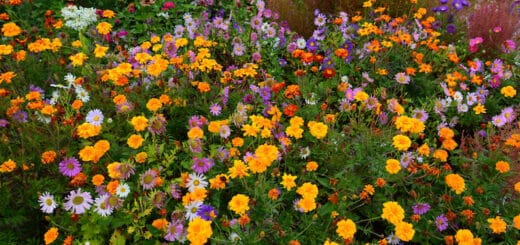
10. Continue Developing Summer Colour
Now is a good time to fill gaps and strengthen summer planting displays.
Good additions for Carmel’s garden
- Dahlias
- Cosmos
- Salvias
- Verbena bonariensis
- Wallflowers from cuttings
- Late-flowering perennials
What to do
- Plant in groups for stronger impact.
- Continue propagating useful plants where possible.
- Identify weaker areas needing extra colour later in the season.
11. Watering
May often brings dry periods despite the spring growth.
What to do
- Water newly planted shrubs deeply.
- Water pots and containers regularly.
- Avoid shallow little-and-often watering.
- Water early morning or evening where possible.
Deep watering encourages stronger root systems and better drought resistance later in summer.
Priority Jobs for Carmel’s Garden This Month
If time is limited, focus on these first:
- Weed borders little and often
- Remove weeds from beds during wet weather
- Feed borders and containers
- Apply mulch and wood chips
- Monitor slugs and apply nematodes
- Watch for mildew and apply sulphur if needed
- Lightly prune Spiraea, Choisya and Ceanothus after flowering
- Tie in climbers and roses
- Remove dead wood from the birch tree near the gate
- Continue improving the lawn and consider clover sowing
May is really the transition point between spring and summer in the garden. Small regular jobs now — especially feeding, mulching, tying in growth and controlling weeds early — will make the garden far easier to manage later in the season while building much stronger summer displays.