Creating a Fragrant Summer Patio with Night Scented Stock and Calendula
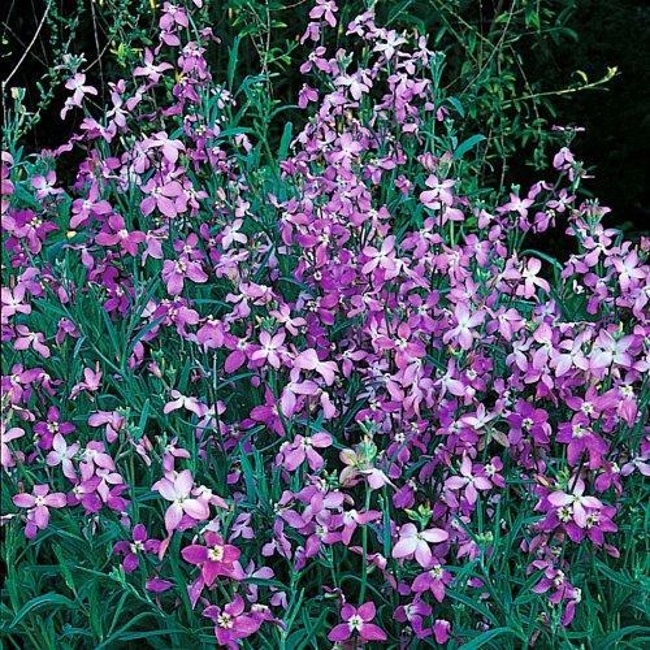
Night Scented Stock
One of the simplest and most rewarding gardening projects for summer is growing Night Scented Stock (Matthiola bicornis) alongside Calendula (Pot Marigolds). Together they provide colour, fragrance, wildlife benefits, and can help make outdoor seating areas more enjoyable throughout the summer months.
Both plants are inexpensive to grow from seed and are ideal for beginners as well as experienced gardeners.
Night Scented Stock – The Fragrance Plant
Night Scented Stock is famous for the powerful perfume released by its flowers during warm summer evenings. During the day, the flowers are fairly understated, but as temperatures begin to cool in the evening, the blooms release a sweet, rich fragrance that can drift across an entire garden.
For this reason, Night Scented Stock is best planted:
- Near patios and seating areas
- Beneath bedroom windows
- Along pathways
- Close to conservatories
- Around outdoor dining spaces
A small group of plants can provide an astonishing amount of scent, making summer evenings outdoors far more enjoyable.
Growing Night Scented Stock in Pots
Night Scented Stock grows particularly well in pots and containers filled with John Innes No.1 Compost or a good quality seed compost.
Sowing
- Fill containers with compost.
- Water thoroughly.
- Scatter seeds thinly over the surface.
- Cover with a light dusting of compost.
- Place in a sunny position.
- Keep moist until germination.
Seeds usually germinate within 7 to 14 days.
Regular sowings every three to four weeks from April until July will provide flowers and fragrance throughout the summer.
Growing Night Scented Stock in Borders
The seed can also be scattered directly into flower borders. Simply rake the soil to create a fine seed bed and sow thinly across the area. The plants look particularly attractive when grown in informal drifts amongst roses, herbaceous perennials, and other cottage garden plants.
Calendula – A Colourful Companion Plant
Calendula, commonly known as Pot Marigold, is another excellent plant to grow from seed. It produces bright orange and yellow flowers throughout summer and is one of the easiest annuals to grow.
Calendula thrives in pots filled with John Innes No.2 Compost and can also be sown directly into flower borders.
Why Grow Calendula Near Your Patio?
Apart from providing a continuous display of flowers, many gardeners find that Calendula can help make outdoor seating areas more comfortable. The aromatic foliage and flowers are often said to discourage some flying insects, including midges and wasps, from lingering around patios and seating areas.
While they won’t completely eliminate these insects, they can form part of a pleasant, wildlife-friendly planting scheme around outdoor entertaining spaces.
Supporting Beneficial Insects
One of Calendula’s greatest strengths is its ability to attract beneficial insects.
The flowers are rich in pollen and nectar, attracting:
- Hoverflies
- Bees
- Lacewings
- Ladybirds
Even more importantly, Calendula helps support ladybird larvae, which are among the most effective natural predators of aphids. A single ladybird larva can consume hundreds of greenfly during its development.
By encouraging ladybirds and other beneficial insects into the garden, Calendula can help create a more balanced ecosystem and reduce the need for pest control treatments.
Feeding and Care
Both Night Scented Stock and Calendula benefit from regular watering during dry weather.
To encourage continuous flowering:
- Feed every two to three weeks with a liquid tomato fertiliser.
- Remove faded flowers regularly.
- Continue sowing small batches through the summer.
This simple routine will keep both plants flowering for many months.
The Perfect Summer Combination
Night Scented Stock and Calendula make an ideal partnership for patios, balconies, and flower borders.
During the day, Calendula provides cheerful colour and attracts beneficial insects. As evening arrives, Night Scented Stock takes over, filling the garden with its wonderful fragrance.
Together they create a low-cost, easy-to-grow planting scheme that looks attractive, supports wildlife, and helps make warm summer evenings in the garden even more enjoyable.