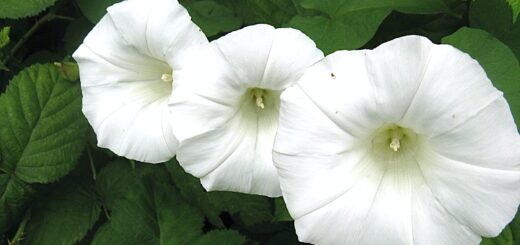
Enhance Your Garden: Planting Clematis Jackmanii with Wisteria for Year-Round Blooms
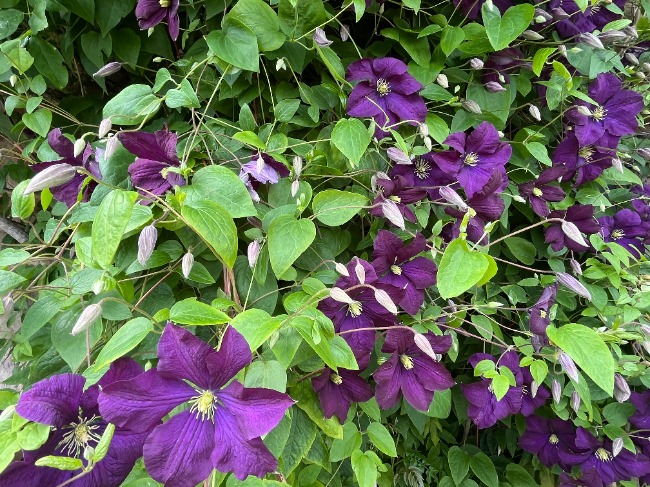
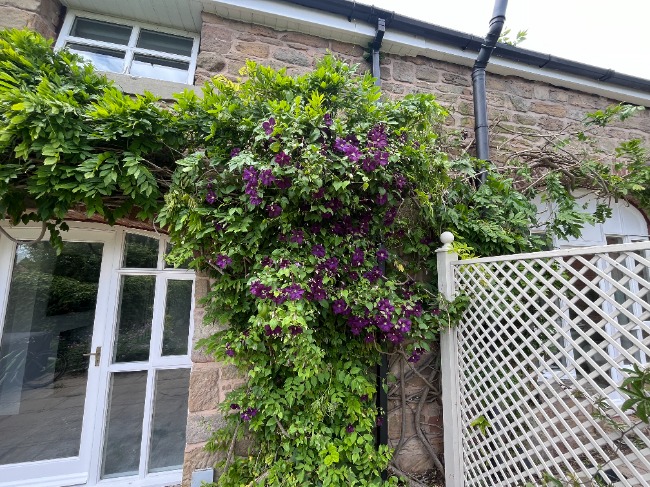
If you’re looking to add vibrant colour and extend the blooming season in your garden, planting Clematis Jackmanii alongside wisteria is a fantastic choice. This pairing not only creates a stunning visual display but also ensures that your garden remains alive with color even after the clematis has finished flowering. In this article, we will discuss the benefits of this combination, care tips, and what to consider while planting.
Understanding Clematis Jackmanii
Clematis Jackmanii is one of the most popular clematis varieties, known for its prolific flowers and vigorous growth. Here are some key features:
- Flowering Season: Typically blooms from mid-summer to early fall, offering large, deep purple flowers that can reach up to 6 inches in diameter.
- Growth Habit: This vine can grow up to 10-12 feet in length, making it an excellent choice for trellises and other vertical spaces.
- Light Requirements: Prefers full sun but can tolerate partial shade.
Why Pair Clematis Jackmanii with Wisteria?
Wisteria is another stunning climbing plant known for its gorgeous, fragrant clusters of flowers. Here’s why pairing it with Clematis Jackmanii is beneficial:
- Seasonal Overlap: While Clematis Jackmanii blooms in the summer, wisteria typically flowers in spring. By planting them together, you create a continuous sequence of blossoms throughout the year.
- Visual Contrast: The deep purple of the clematis beautifully complements the cascading clusters of wisteria flowers, resulting in a visually striking floral display.
- Vertical Interest: Both plants are vigorous climbers, making them perfect for trellises, pergolas, or any vertical surfaces. Their growth can create a lush, green backdrop that enhances your garden’s aesthetics.
How to Plant Clematis Jackmanii and Wisteria
When planting these two flowering vines together, follow these steps for optimal growth:
Choosing the Right Location
- Select a spot that receives full sun for most of the day. While both plants can tolerate partial shade, sunlight will encourage better flowering.
- Ensure the spot has well-draining soil. Both clematis and wisteria prefer soil that retains some moisture but drains excess water.
Preparing the Soil
Before planting, amend the soil with organic matter, such as compost. This will improve soil structure and provide essential nutrients:
- Mix in compost to enrich the soil.
- Check pH levels; both plants prefer slightly alkaline to neutral soil (pH 6.0 – 7.5).
Planting
To plant Clematis Jackmanii and Wisteria together, follow these steps:
- Dig holes that are twice the width of each plant’s root ball.
- Place the wisteria in the hole first, ensuring there’s enough space for both plants to grow without overcrowding.
- Once the wisteria is planted, place the clematis nearby (but not too close to overshadow the wisteria). Ensure the clematis has support, such as a trellis or fence.
- Fill the holes with soil and water thoroughly.
Caring for Your Plants
Once you’ve planted your clematis and wisteria, proper care will ensure they thrive:
- Watering: Water regularly, particularly during dry spells. Ensure the soil remains moist but not soggy.
- Pruning: Prune your wisteria after flowering to maintain size and shape. For clematis, prune back to about 12 inches in late winter to early spring.
- Fertilization: Fertilize both plants in spring with a balanced, slow-release fertilizer to promote healthy growth and flowering.
Planting Clematis Jackmanii alongside wisteria is not only a delightful way to enhance your garden’s aesthetics but also a smart choice for extending flowering periods. By following these planting and care tips, you can enjoy a vibrant, colourful garden throughout the seasons. Get ready to marvel at the beauty of your climbing companions all year round!