The Power of Yellow Sulphur Powder: A Natural Defense Against Fungal Diseases in Crops
Introduction
Fungal diseases pose a significant threat to the health of crops and plants alike. Among these, potatoes and apples are commonly affected, leading to diminished yields and compromised quality. However, gardeners and farmers have a secret weapon in their arsenal: yellow sulphur powder.
What is Yellow Sulphur Powder?
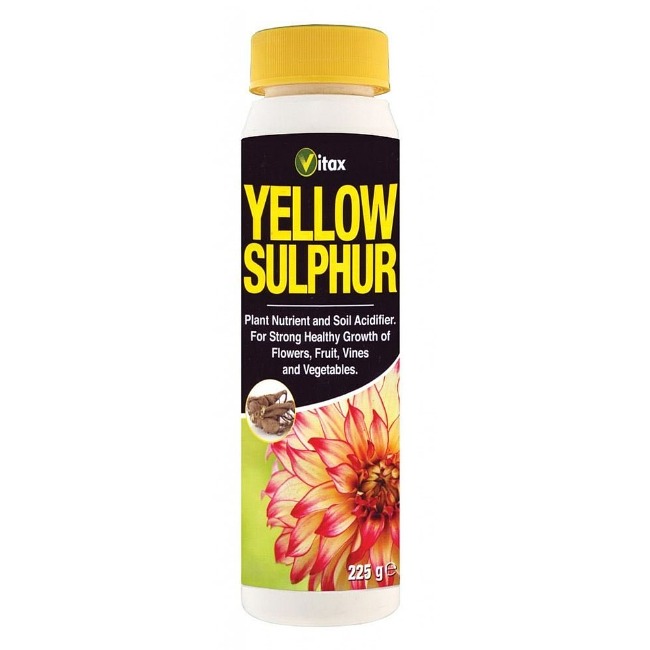
Yellow sulphur powder, a natural fungicide, is derived from elemental sulphur. It has been used for centuries in agriculture to combat fungal infections. Its effectiveness lies in its ability to alter the pH levels of the leaf surface and create an inhospitable environment for fungal pathogens.
How Does Yellow Sulphur Help Stop Fungal Diseases?
The mechanism of action for yellow sulphur is multifaceted:
- Fungistatic Activity: Sulphur acts by inhibiting the growth of fungi on affected plants. It disrupts the cell wall structure of the fungi, preventing their reproduction.
- Preventative Measure: Applying yellow sulphur powder proactively can prevent fungal spores from taking hold on the leaves and stems of susceptible plants.
- Non-toxic Option: Sulphur is a naturally occurring element that is safer for the environment and non-toxic to beneficial insects, making it an ideal choice for organic farming.
Fungal Diseases Commonly Treated with Yellow Sulphur
Yellow sulphur is particularly useful against various fungal diseases, including:
- Powdery Mildew: This fungal infection manifests as white, powdery spots on leaves and stems, commonly affecting apples and other plants.
- Downy Mildew: Often found in humid conditions, this fungus affects potato crops and can lead to severe plant damage.
- Rusts: These are caused by high humidity and can adversely affect a variety of plants, including apples.
Application Methods for Effectiveness
For best results, yellow sulphur powder can be applied either as a dust or puffed from a bottle. Let’s review effective application methods:
Using Yellow Sulphur as a Dust
Applying yellow sulphur powder as a dust is one of the most common methods. Here’s how to do it:
- Select the Right Time: Apply the dust during dry conditions, preferably in the early morning or late afternoon, to avoid scorching the plants.
- Prepare the Area: Ensure that the plants are free of moisture (dew or rain) before application to allow the sulphur to adhere properly.
- Use a Duster: Employ a hand-held or mechanical duster to evenly distribute the sulphur onto the foliage. Aim for a fine even coating, making sure to cover both the tops and undersides of the leaves.
- Frequency of Application: Reapply every 7-10 days or after significant rain to maintain protection throughout the growing season.
Puffed Application from the Bottle
Alternatively, using a bottle designed for puffing can also be effective:
- Fill the Bottle: Choose a fine-powdered yellow sulphur and fill the puffing bottle.
- Puffing Technique: Hold the bottle approximately 12-18 inches from the plant surface. Puff a light mist onto the foliage, ensuring an even coverage.
- Monitor Application: As with dusting, monitor the frequency and conditions for reapplication to ensure prolonged protection.
Conclusion
Yellow sulphur powder is a valuable tool for farmers and gardeners alike in the fight against fungal diseases affecting crops such as potatoes and apples. By understanding how to effectively apply this natural fungicide—either as a dust or puffed from a bottle—growers can significantly improve the health and yield of their plants. Embrace this natural remedy and enjoy a more fruitful growing season, free from the setbacks of fungal infections!