Getting on top of powdery mildew — an organic, bee-friendly plan
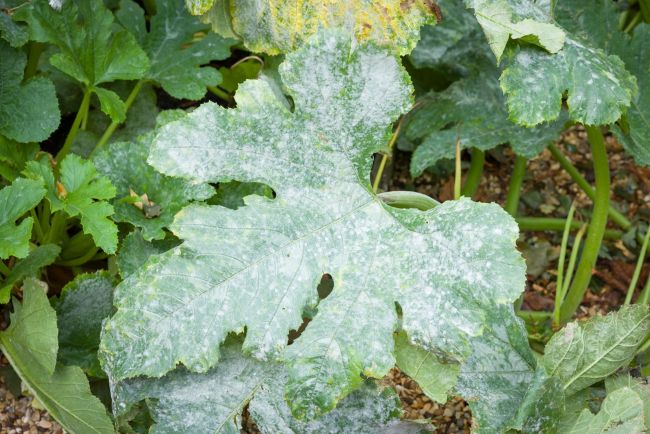
Powdery mildew is one of those garden pests that looks worse than it sounds — a white, dusty coating on leaves — but once it gets established it can weaken plants and come back year after year. The good news: with a little soil attention, strict hygiene and a light, organic treatment plan you can shut it down and stop re-cycling the spores around the garden. Below is a friendly, seasonal plan
What powdery mildew is — and why it came back
Powdery mildew is a fungal disease that settles as a white, powdery film on leaves, stems and buds. It spreads by microscopic spores that travel on wind, soil and plant debris. Bulk composts and topsoils sometimes contain composted material carrying these spores, so bringing in a big bag of mixed compost can introduce the problem. Mildew prefers plants with poor air circulation, plants under stress, and situations where splash-back from soil is possible.
GardenAdvice note
The GardenAdvice team has seen a noticeable rise in powdery mildew across UK gardens over the last 12 months. Much of this is down to weather — prolonged warm, humid spells followed by cooler periods create ideal conditions for mildew — but we’re also seeing outbreaks linked to some bulk or “eco” composts that haven’t been fully matured. If compost hasn’t been hot-worked through to completion it can carry viable spores into beds and spread infection when used on or around plants.
Key principles of an organic, bee-friendly approach
- Stop recycling spores — don’t compost heavily mildewed material.
- Improve soil and plant health — strong, well-structured soil reduces plant stress and makes infection less likely.
- Physical barriers and hygiene — block splashback and remove overwintering spores with mulches and washes.
- Targeted, low-toxicity treatment — sulphur dust is effective and acceptable for organic gardens if used sensibly.
- Protect pollinators — apply treatments when bees aren’t active and avoid spraying flowers.
- Correct feeding of your plants – Using low nitrate feeds
Immediate actions (now → autumn/winter)
1. Improve bed structure
Work in a good garden loam into both flower and vegetable beds over the autumn/winter. Better, open soil:
- drains evenly,
- reduces drought stress, and
- makes it harder for spores to germinate and take hold.
Aim to fork the loam into the top 10–20 cm and avoid creating compacted layers.
2. Treat affected plants
Use a light dust of elemental sulphur (Vitax Yellow Sulphur in a puffer bottle is a good example) on leaves showing mildew. A light, even dusting shuts down spores and is considered safe for vegetables — just wash produce before eating.
Tips for sulphur:
- Apply when plants are not in full flower and when pollinators are inactive (early morning or late evening).
- Wear a dust mask and gloves.
- Don’t mix sulphur with oil-based sprays and avoid use in very hot weather.
- Follow the product label for rates and re-application intervals.
- Link to sulphur
3. Change your composting routine
Build two simple compost bays from old builders’ pallets. Anything showing mildew this autumn goes into the normal bin (to be disposed of later), not the compost, so you don’t recycle spores back into beds.
Next spring
Mulch to block splash-back
When planting young vegetables:
- Lay sheets of cardboard around the plants (they break down slowly), then
- Cover the cardboard with a layer of spent mushroom compost to hold it down.
This physical barrier prevents rain from flicking overwintered spores in the soil up onto new leaves.
Cultural care
- Water at the soil level rather than overhead.
- Space and prune plants for good air circulation.
- Rotate susceptible crops from year to year.
- Choose mildew-resistant varieties where possible.
Late autumn / winter (leaf-fall)
Hygiene wash (tar wash)
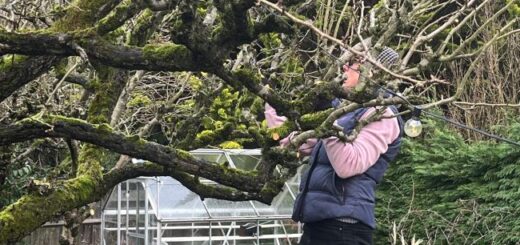
Give apple trees and raised bed frames a tar wash (Vitax Winter Tree Wash / “winter wash”) to reduce pest eggs and lingering fungal material. Clean frames, netting and supports so spores have fewer places to overwinter.
Also, clear up fallen leaves and debris from around plants and beds — remove and dispose of heavily affected material rather than composting it.
Next growing season
At the first sign of mildew, dust with yellow sulphur again so the disease never gets a foothold. If you keep up the cultural controls (soil, spacing, mulch and hygiene), outbreaks should be minor and manageable.
Practical checklist (quick)
- Work in garden loam over autumn/winter.
- Dust any currently affected leaves with elemental sulphur (Vitax Yellow Sulphur).
- Build compost bays from pallets; do not compost mildewed material.
- Lay cardboard + spent mushroom compost as mulch for young veg next spring.
- Tar-wash trees and clean frames in late autumn/winter.
- At the first sign next season, repeat sulphur dusting.
- Keep watering at the base, prune for airflow, and pick resistant varieties.
Safety & bee notes
- Sulphur is a traditional, low-toxicity remedy for powdery mildew but can irritate skin/eyes and should be applied with care. Wear gloves and a mask.
- Apply treatments when pollinators are not active, avoid dusting open flowers and always follow the product label.
- Wash vegetables before eating.
Final thoughts
Mildew is rarely eradicated overnight, but this combination of better soil, strict hygiene, physical barriers and targeted sulphur dusting will drastically reduce its impact and stop you reintroducing spores from compost. If you’d like, I can format this for gardenadvice.co.uk with product links and a small how-to image set (step photos for sulphur dusting, laying cardboard mulch, and building pallet compost bays).