November 2025 – Personalised GardenAdvice Calendar for Ali
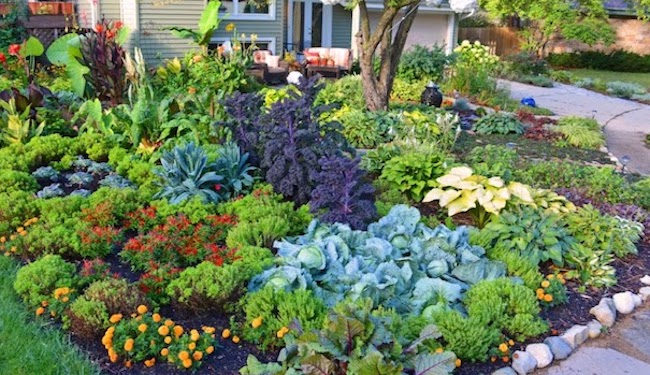
Potager Garden
1) November summary (adds fruit & veg context)
- Soil: Slightly acidic — keep this in mind for blueberries, rhododendrons/camellias and other ericaceous plants; use ericaceous mulch and avoid alkaline spent mushroom compost on acid-lovers. Ali – garden report
- Aspect: Sunny front (lavender, etc.) and shaded back (morning shade). Mulberry creates extra shade/competition in part of the back garden (Euonymus under it). Ali – garden report
- Climate: Treat as typical UK (south/central) — mild/wet winters; expect frost risk some years. Protect tender and greenhouse crops.
- Key fruit & veg priorities (from your list): garlic, potatoes, onions, leeks, kale, broccoli, brassicas, peas, beans, salad (lettuce, spinach, spring onions, radish), tomatoes, peppers/chilies, cucumbers, courgettes, aubergines, melons, pumpkins, sweet potatoes, strawberries, grapes & grape vine, citrus (lemons), asparagus, apple/pear/cherry/plum orchard, walnuts, herbs (basil, mint, rosemary, oregano, sage, chives, lemon balm). Fruit and Vegetable list
2) Personalised tasks for November (crop-by-crop & practical timings)
Note: I only include actions sensible for November — sowing now is limited to hardy/under-cover crops or planting (e.g. garlic). For tender crops we focus on overwinter protection, harvesting/ storage and planning.
High-priority / immediate tasks (do these first)
- Plant garlic — November is ideal for garlic cloves in most of the UK. Choose healthy seed cloves, plant ~2–3 cm deep and 10–15 cm apart in a well-drained bed; mulch with compost/leaf mould to protect over winter.
- Mulch acid-lovers — Blueberries, Camellia, Skimmia: add an ericaceous mulch (leaf mould/ericaceous compost) to protect roots and suppress weeds. Ali – garden report
- Clean and prepare greenhouse — remove spent tomato foliage, clean surfaces with dilute disinfectant, check benches, drain hoses and inspect the drip/micro-irrigation ahead of next season. (You’ve planned drip irrigation / water tank — now’s a good time to ready the greenhouse.) Ali – garden report
- Clear fallen fruit & leaves around apples/roses and tidy orchard area — reduces overwintering pests and disease. This is covered in your report. Ali – garden report
Crop-specific notes & November actions
Hardy bulbs / roots / overwintering vegetables
- Garlic — plant now as above; mark the bed and mulch well. (Top priority.)
- Onions / Spring onions / Shallots — plant sets/ shallots if you plan overwintering varieties; otherwise prepare a seed/sets list and keep seed dry and labelled.
- Leeks — plant or prepare to plant seedlings in late winter/early spring. If you already have young leeks, heel them in and mulch.
- Potatoes — store maincrop potatoes if harvested; plan chitting seed potatoes in late Jan–Feb for early potatoes next year (don’t plant this month).
- Sweet potatoes — these are frost-tender. If you harvested them, cure and store frost-free at ~12–15°C. If still in ground (polytunnel), lift before frosts and store.
- Asparagus — cut ferned tops back only after they’ve turned brown; add generous mulch (well-rotted compost/manure) for winter protection.
Brassicas & leafy greens
- Kale & Broccoli — established kale is very hardy; protect with netting from pigeons. If you want spring broccoli, sow/plant appropriate varieties in late winter.
- Spinach, Lettuce, Radish — for winter harvest, use a cold frame/undercover sowings of hardy varieties now or early November. For lettuce, use hardy winter mixes and fleece/cover.
- Peas — autumn-sown peas are possible in very mild areas; otherwise prepare supports and order seed for spring. If you want overwinter peas, sow under cloche/very sheltered spot.
Salad & Alliums
- Spring onions — sow under cover for overwintering.
- Chives, Coriander, Borage — chives hardy; leave clumps, tidy if needed. Coriander may bolt in milder pockets — grow under cover for winter use.
Warm-season/tender crops (greenhouse or start planning)
- Tomatoes, Chillies, Peppers, Aubergines, Cucumbers, Courgettes, Melons
- If you overwinter plants (chillies/pepper & some tomato varieties): move to a frost-free greenhouse and reduce watering; don’t feed heavily.
- Otherwise: clear, compost healthy material (don’t compost diseased foliage), clean greenhouse, and plan seed sowing schedule for Jan–May (chillies/pepper seeds often started in late winter).
- Melons: not grown outdoors — plan a spring sowing in heated/very warm greenhouse; you previously asked about starting a melon plant now — November is too late for sowing outside. Untitled document
Cucurbits & pumpkins
- Pumpkins — if harvested, cure (dry warm place) and store in a dry frost-free spot.
- Courgettes — annuals — lift and compost; plan fresh seedings in spring.
Fruit trees & orchard
- Apples / Pears — clear fallen fruit and leaves; plan winter washing and pruning schedule (washing/late autumn treatment is in your report). Pheromone traps for codling moth are a spring/summer measure, but clearing debris now reduces pests. Ali – garden report
- Cherries / Plums — pruning timing differs by species (cherries often after fruiting). Note these timings when you plan winter work.
- Grapes / Grape vine — tidy and tie canes; inspect wires and supports and plan for the main dormant pruning in late winter (Jan–Mar). Ensure greenhouse vines are secure before winter winds.
- Walnut — collect any fallen nuts, keep the area tidy; walnut leaf litter can be allelopathic so avoid heavy mulches directly under sensitive plants.
Soft fruit & small fruit
- Strawberries — if planting new plants: autumn is OK for many varieties — plant in well-prepared beds and mulch to protect crowns. Otherwise, tidy beds and remove runners you don’t want.
- Blueberries — mulch with ericaceous material now and consider netting plans for birds in spring.
Herbs
- Basil — tender: finish, harvest, or overwinter in pots in a warm frost-free spot/propagate cuttings to carry through the winter.
- Mint, Rosemary, Oregano, Sage, Lemon Balm, Lemon Verbena — most hardy: tidy/mulch; lemon balm/verbena may need light protection. Mint is vigorous — consider potting up or relocating.
- Chives — hardy — tidy flower stalks and mulch.
Pest & disease / biological controls (November)
- Slug control — plan nematodes where you will sow in spring; if slug pressure remains, consider traps and barriers through the winter. Your report recommended slug nematodes. Ali – garden report
- Codling moth / apple pests — clear fallen fruit and leaf debris; plan pheromone traps for spring/early summer monitoring. Ali – garden report
- Compost hygiene — do not compost diseased tomato/pepper foliage; burn or dispose of these away from beds.
3) Practical November timetable — short weekly checklist
Week 1
- Plant garlic cloves and label bed.
- Mulch blueberries and other acid-lovers. Ali – garden report
- Clear fallen fruit and leaves from orchard and rose beds.
Week 2
- Clean greenhouse: disinfect benches, tidy pots, clean gutters, check drip system and water tank plans. Ali – garden report
- Harvest/store pumpkins, sweet potatoes and maincrop potatoes (if not done). Cure and store sweet potatoes in a frost-free space.
Week 3
- Plant autumn onion sets/shallots (if you plan overwintered onions).
- Put netting plans in place or order bird netting for strawberries and blueberries.
- Check Euonymus and prune/release any reverted shoots; inspect mulberry competition. Ali – garden report
Week 4
- Tidy herb beds, bring tender herbs (basil) into shelter or take cuttings.
- Make a list of seeds/sets/tunnel covers needed for winter/spring sowing (tomato/chili/pepper seed dates).
- Apply Bio-Lime to the lawn if conditions allow (slightly acidic soil—use Bio-Lime if you want to raise pH). Ali – garden report
4) Additional recommendations & resources
- Compost bay: Build it now so your garden waste can decompose over winter (you mentioned this in your report). This is a good job for a dry day in November. Ali – garden report
- Drip irrigation / water tank: Finalise location and quotes so installation can be scheduled for early spring. This will boost yields next season. Ali – garden report
- Greenhouse plan: Make a simple month-by-month sowing schedule for tomatoes, peppers, aubergines, cucumbers and melons (I can produce this if you’d like).
- Priority problems to avoid: don’t prune lavender into old wood; avoid mulching acid-lovers with alkaline materials; keep greenhouse hygiene high to avoid overwintering diseases. Ali – garden report
Useful GardenAdvice articles (shortlist)
- Grow your own / crop planning: https://gardenadvice.co.uk/blog/grow-your-own-fruit-veg/ — where you started your crop form. Ali – garden report
- Slug nematodes / natural slug control: https://gardenadvice.co.uk/blog/natural-slug-control-with-nematodes/ — your report suggested this control. Ali – garden report