Planting a New Wildlife Pond: A Practical Guide to Plant Selection and Layout
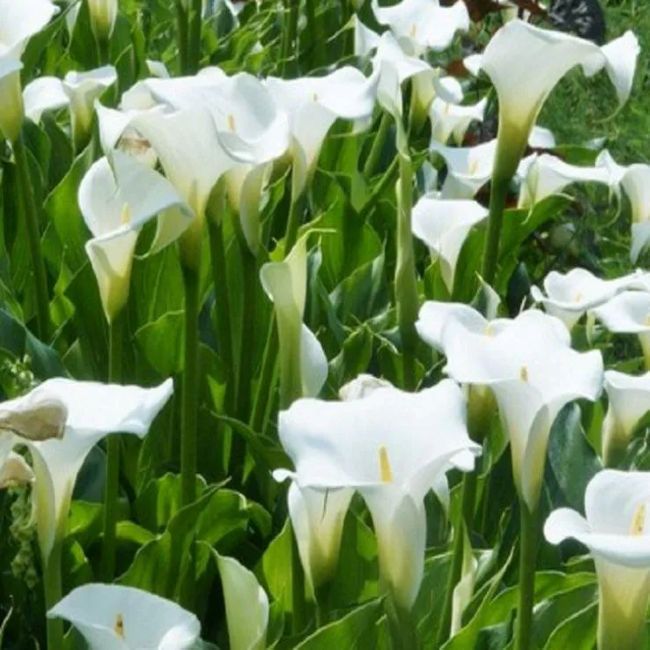
Zantedeschia aethiopica ‘Crowborough’
Creating a wildlife pond is one of the most effective ways to support biodiversity in a garden. By carefully selecting plants across different depth zones, you can create a balanced ecosystem that supports insects, amphibians, and birds—while also keeping the water naturally clear.
The key is to use a combination of surface cover, oxygenating plants, marginals, and structural species to create both habitat and visual interest.
Understanding Pond Planting Zones
When planting a pond, divide it into four main depth areas:
- 0–10 cm (shallow edge / damp soil) – marsh and edge plants
- 10–30 cm (marginal shelf) – upright flowering plants
- 40–80 cm (deep water) – water lilies
- Deeper water – oxygenating plants (submerged)
Planting across all these zones ensures stability, good water quality, and strong wildlife value.
1. Water Lilies – Surface Cover and Shade
Water lilies are essential for any wildlife pond, providing shade and reducing algae while creating habitat for insects.
- Nymphaea alba (white water lily) – a native species, excellent for wildlife
- Nymphaea ‘Attraction’ (red water lily) – adds colour and contrast
Key role:
Shade the water, reduce algae, and provide habitat for pond life.
2. Marginal Structure Plants – Vertical Habitat
These plants give height and structure and are particularly important for dragonflies.
- Iris pseudacorus (yellow flag iris) – strong, upright growth with bright flowers
- Typha latifolia or Typha minima (bulrush) – classic pond structure
- Phragmites australis (common reed) – ideal for dragonflies
Key role:
These act as “runways” and egg-laying stems for dragonflies and other insects.
3. Oxygenating Plants – Submerged Clarity
Oxygenating plants are essential for maintaining clear, healthy water.
- Ceratophyllum demersum (hornwort) – fast-growing and effective
- Elodea canadensis (Canadian pondweed) – reliable oxygenator
- Ranunculus aquatilis (water crowfoot) – adds seasonal flowers
- Hippuris vulgaris (mare’s tail / cat’s tail) – upright submerged structure
Key role:
A mix of fast and seasonal growers helps maintain stable oxygen levels and clear water.
4. Floating and Mid-Water Plants
These plants provide additional surface cover and seasonal variation.
- Stratiotes aloides (water soldier) – rises in summer, sinks in winter
- Hydrocharis morsus-ranae (frogbit) – excellent for wildlife
- Aponogeton distachyos (water hawthorn) – flowers in cooler months
Key role:
Improve seasonal balance and provide additional shade.
5. Flowering Marginals – Colour and Pollinators
These plants bring colour to the pond edge and attract pollinating insects.
- Caltha palustris (marsh marigold) – early spring colour
- Lythrum salicaria (purple loosestrife) – tall and highly attractive to pollinators
- Mentha aquatica (water mint) – fragrant and wildlife-friendly
- Pontederia cordata (pickerel weed) – upright blue flower spikes
Key role:
Lift the overall look of the pond while supporting pollinators.
6. Architectural and Textural Plants
These plants add variation in form and help create a naturalistic planting scheme.
- Cyperus longus (galingale) – grassy, architectural growth
- Butomus umbellatus (flowering rush) – soft pink flowers
- Alisma plantago-aquatica (water plantain) – natural filler plant
7. Shallow Edge Planting
Plants positioned just outside the water or in very shallow areas help soften the pond edge.
- Zantedeschia (arum lilies, including Zantedeschia rehmannii) – adds ornamental colour and structure
These are best planted in moist soil or containers just above water level rather than fully submerged.
Creating a Balanced Planting Scheme
A simple and effective planting mix for a medium to large pond might include:
- 2 × water lilies (one white, one red)
- 2–3 × flowering marginals (iris, loosestrife, pickerel weed)
- 2 × structural plants (bulrush or reeds)
- 3 × oxygenators (hornwort, elodea, crowfoot)
- 2 × floating plants (water soldier, frogbit)
- 2–3 × shallow edge plants (marsh marigold, water mint, flowering rush)
Practical Tips for Success
- Aim for 50–60% surface coverage by mid-summer to reduce algae
- Leave some open water for wildlife movement
- Use planting baskets for vigorous species such as Typha and Phragmites
- Place oxygenating plants loosely or weight them in deeper water
A well-planted wildlife pond quickly becomes a thriving ecosystem. By combining structural plants, oxygenators, and flowering marginals, you create a balanced environment that is both low maintenance and rich in wildlife.
For more gardening advice and planting ideas, visit:
https://gardenadvice.co.uk/gardening-advice/
Or use Helene the GardenAdvice AI assistant, Visit