Planting Calendar and crop notes – Ordered by Month
| Month | Plant Name | Plant Type | Notes |
|---|---|---|---|
| JANUARY | Chilies | Seeds indoors (heated) | Start early for best results |
| JANUARY | Aubergines | Seeds indoors (heated) | Heated propagator essential |
| JANUARY | Garlic | Cloves direct | Spring planting (autumn better) |
| FEBRUARY | Chilies | Seeds indoors (heated) | Peak sowing month |
| FEBRUARY | Peppers | Seeds indoors (heated) | Heated propagator needed |
| FEBRUARY | Aubergines | Seeds indoors (heated) | Continue sowing |
| FEBRUARY | Beetroot | Seeds under cover | Protection needed |
| FEBRUARY | Leeks | Seeds indoors | In modules |
| FEBRUARY | Lettuce | Seeds indoors/under cover | Start succession sowing |
| FEBRUARY | Onions | Seeds indoors | For transplanting later |
| FEBRUARY | Broccoli | Seeds indoors | Calabrese for summer |
| FEBRUARY | Sweet Potatoes | Start slips indoors | From tubers |
| FEBRUARY | Tomatoes | Seeds indoors | Greenhouse varieties |
| FEBRUARY | Garlic | Cloves direct | Spring planting option |
| MARCH | Chilies | Seeds indoors (heated) | Last month for sowing |
| MARCH | Peppers | Seeds indoors (heated) | Continue sowing |
| MARCH | Aubergines | Seeds indoors (heated) | Final sowings |
| MARCH | Beetroot | Seeds under cover/direct | Start outdoor sowing |
| MARCH | Carrots | Seeds under cloches/direct | Early varieties under cover |
| MARCH | Leeks | Seeds indoors/outdoor seedbed | Continue sowing |
| MARCH | Lettuce | Seeds indoors/direct outdoors | Succession sowing |
| MARCH | Onions | Sets direct outdoors | Spring varieties |
| MARCH | Peas | Seeds direct outdoors | Early varieties |
| MARCH | Potatoes | Seed tubers outdoors | First earlies |
| MARCH | Radish | Seeds direct outdoors | Start succession |
| MARCH | Spinach | Seeds direct outdoors | Spring/summer crop |
| MARCH | Spring Onions | Seeds direct outdoors | Start succession |
| MARCH | Broccoli | Seeds indoors | Continue calabrese |
| MARCH | Melons | Seeds indoors (heated) | Greenhouse only |
| MARCH | Strawberries | Container plants | Spring planting |
| MARCH | Sweet Potatoes | Slips continue indoors | Continue from Feb |
| MARCH | Tomatoes | Seeds indoors | Greenhouse & outdoor varieties |
| MARCH | Basil | Seeds indoors | Frost-sensitive |
| MARCH | Borage | Seeds direct outdoors | Start sowing |
| MARCH | Chives | Seeds/young plants | Perennial herb |
| MARCH | Coriander | Seeds direct outdoors | Start succession |
| MARCH | Echinacea | Seeds indoors/outdoors | Slow from seed |
| MARCH | Lavender | Seeds indoors | Very slow from seed |
| MARCH | Lemon Balm | Seeds indoors/outdoors | Easy to grow |
| MARCH | Mint | Young plants/divisions | Container growing best |
| MARCH | Oregano | Seeds indoors/outdoors | Start early |
| MARCH | Rosemary | Seeds indoors | Slow from seed |
| MARCH | Sage | Seeds indoors | Spring sowing |
| MARCH | Asparagus | Crowns/seeds | Best time for crowns |
| MARCH | Apple | Bare-root trees | End of dormant season |
| MARCH | Blueberries | Bare-root/container plants | Good planting time |
| MARCH | Cherry | Bare-root trees | End of dormant season |
| MARCH | Grape Vine | Bare-root plants | Good planting time |
| MARCH | Pear | Bare-root trees | End of dormant season |
| MARCH | Plum | Bare-root trees | End of dormant season |
| MARCH | Walnut | Bare-root trees | End of dormant season |
| APRIL | Courgettes | Seeds indoors | In pots |
| APRIL | Cucumbers | Seeds indoors | Both types |
| APRIL | Pumpkins | Seeds indoors | Large pots |
| APRIL | Beetroot | Seeds direct outdoors | Peak sowing begins |
| APRIL | Carrots | Seeds direct outdoors | Main sowing period |
| APRIL | Kale | Seeds indoors/direct | Start sowing |
| APRIL | Leeks | Young plants transplant | From earlier sowing |
| APRIL | Lettuce | Seeds direct outdoors | Succession sowing |
| APRIL | Onions | Sets/young plants direct | Spring varieties |
| APRIL | Peas | Seeds direct outdoors | Maincrop varieties |
| APRIL | Potatoes | Seed tubers outdoors | Second earlies & maincrop |
| APRIL | Radish | Seeds direct outdoors | Continue succession |
| APRIL | Spinach | Seeds direct outdoors | Continue sowing |
| APRIL | Spring Onions | Seeds direct outdoors | Continue succession |
| APRIL | Broccoli | Seeds/young plants outdoors | Calabrese & sprouting |
| APRIL | Melons | Seeds indoors/young plants | To greenhouse |
| APRIL | Strawberries | Container plants | Continue planting |
| APRIL | Tomatoes | Seeds indoors | Outdoor varieties |
| APRIL | Basil | Seeds indoors | Continue sowing |
| APRIL | Borage | Seeds direct outdoors | Continue sowing |
| APRIL | Chives | Seeds/young plants | Continue planting |
| APRIL | Coriander | Seeds direct outdoors | Succession sowing |
| APRIL | Echinacea | Young plants outdoors | Better than seeds |
| APRIL | Lavender | Young plants outdoors | Best planting time |
| APRIL | Lemon Balm | Young plants/divisions | Spring planting |
| APRIL | Lemon Verbena | Young plants outdoors | After frost risk |
| APRIL | Mint | Young plants/divisions | Spring planting |
| APRIL | Oregano | Young plants outdoors | Good planting time |
| APRIL | Rosemary | Young plants outdoors | Spring planting |
| APRIL | Sage | Young plants outdoors | Spring planting |
| APRIL | Asparagus | Crowns/seeds | Continue planting |
| APRIL | Lemons | Container plants | Best planting month |
| MAY | Chilies | Young plants outdoors | After hardening off |
| MAY | Courgettes | Seeds indoors/direct/plants | Peak planting time |
| MAY | Cucumbers | Seeds indoors/young plants | To outdoor positions |
| MAY | Pumpkins | Seeds indoors/young plants | Continue planting |
| MAY | Aubergines | Young plants to greenhouse | Very warm spot only |
| MAY | Beetroot | Seeds direct outdoors | Peak sowing time |
| MAY | Carrots | Seeds direct outdoors | Continue sowing |
| MAY | Kale | Seeds indoors/direct | Peak sowing month |
| MAY | Leeks | Young plants transplant | Main transplanting time |
| MAY | Lettuce | Seeds direct outdoors | Succession sowing |
| MAY | Peas | Seeds direct outdoors | Continue maincrop |
| MAY | Potatoes | Seed tubers outdoors | Maincrop final month |
| MAY | Radish | Seeds direct outdoors | Continue succession |
| MAY | Spinach | Seeds direct outdoors | Final spring sowings |
| MAY | Spring Onions | Seeds direct outdoors | Continue succession |
| MAY | Broccoli | Seeds/young plants outdoors | Sprouting types |
| MAY | Melons | Young plants to greenhouse | Protected growing |
| MAY | Strawberries | Container plants | Final spring planting |
| MAY | Sweet Potatoes | Young plants outdoors | Very warm spots only |
| MAY | Tomatoes | Young plants outdoors | After hardening off |
| MAY | Basil | Seeds direct/young plants | After frost risk |
| MAY | Borage | Seeds direct outdoors | Continue sowing |
| MAY | Chives | Seeds/young plants | Continue planting |
| MAY | Coriander | Seeds direct outdoors | Succession sowing |
| MAY | Echinacea | Seeds/young plants | Continue planting |
| MAY | Lavender | Seeds/young plants | Continue planting |
| MAY | Lemon Balm | Seeds/young plants | Continue planting |
| MAY | Lemon Verbena | Young plants outdoors | Safe from frost |
| MAY | Mint | Young plants | Continue planting |
| MAY | Oregano | Seeds/young plants | Continue planting |
| MAY | Rosemary | Young plants outdoors | Continue planting |
| MAY | Sage | Seeds/young plants | Continue planting |
| MAY | Lemons | Container plants | Continue planting |
| JUNE | Chilies | Young plants outdoors | Final planting |
| JUNE | Courgettes | Seeds direct/young plants | Final sowings |
| JUNE | Cucumbers | Young plants outdoors | Final planting |
| JUNE | Pumpkins | Young plants outdoors | Final planting date |
| JUNE | Aubergines | Young plants to greenhouse | Continue planting |
| JUNE | Beetroot | Seeds direct outdoors | Continue sowing |
| JUNE | Carrots | Seeds direct outdoors | Continue for succession |
| JUNE | Kale | Seeds direct/young plants | Final sowings |
| JUNE | Leeks | Young plants transplant | Continue transplanting |
| JUNE | Lettuce | Seeds direct outdoors | Succession sowing |
| JUNE | Peas | Seeds direct outdoors | Late varieties |
| JUNE | Radish | Seeds direct outdoors | Continue succession |
| JUNE | Spinach | Seeds direct outdoors | Difficult month (bolting) |
| JUNE | Spring Onions | Seeds direct outdoors | Continue succession |
| JUNE | Broccoli | Young plants transplant | Sprouting for spring |
| JUNE | Sweet Potatoes | Young plants outdoors | Final planting |
| JUNE | Tomatoes | Young plants outdoors | Final planting date |
| JUNE | Basil | Seeds direct/young plants | Continue planting |
| JUNE | Borage | Seeds direct outdoors | Continue sowing |
| JUNE | Coriander | Seeds direct outdoors | Will bolt quickly |
| JUNE | Echinacea | Young plants outdoors | Continue planting |
| JUNE | Lavender | Young plants outdoors | Continue planting |
| JUNE | Lemon Balm | Young plants | Continue planting |
| JUNE | Mint | Young plants | Continue planting |
| JUNE | Oregano | Young plants outdoors | Continue planting |
| JUNE | Rosemary | Young plants outdoors | Continue planting |
| JUNE | Sage | Young plants outdoors | Continue planting |
| JULY | Beetroot | Seeds direct outdoors | Final sowings |
| JULY | Carrots | Seeds direct outdoors | Final succession sowing |
| JULY | Kale | Young plants transplant | Final planting |
| JULY | Leeks | Young plants transplant | Final transplanting |
| JULY | Lettuce | Seeds direct outdoors | Succession sowing |
| JULY | Peas | Seeds direct outdoors | Late varieties |
| JULY | Radish | Seeds direct outdoors/winter types | Start winter radish |
| JULY | Spring Onions | Seeds direct outdoors | Continue succession |
| JULY | Broccoli | Young plants transplant | Final transplanting |
| JULY | Strawberries | Bare-root runners | Best establishment time |
| JULY | Borage | Seeds direct outdoors | Final sowings |
| JULY | Coriander | Seeds direct outdoors | Will bolt in heat |
| JULY | Echinacea | Young plants outdoors | Continue planting |
| JULY | Lavender | Young plants outdoors | Continue planting |
| JULY | Lemon Balm | Young plants | Continue planting |
| JULY | Mint | Young plants | Continue planting |
| JULY | Oregano | Young plants outdoors | Continue planting |
| JULY | Rosemary | Young plants outdoors | Continue planting |
| JULY | Sage | Young plants outdoors | Continue planting |
| AUGUST | Radish | Seeds direct outdoors | Winter varieties |
| AUGUST | Spinach | Seeds direct outdoors | Autumn/winter crop |
| AUGUST | Spring Onions | Seeds direct/hardy types | Start overwintering |
| AUGUST | Strawberries | Bare-root runners/pot-grown | Peak planting time |
| AUGUST | Coriander | Seeds direct outdoors | Autumn sowing |
| AUGUST | Lavender | Young plants outdoors | Continue planting |
| AUGUST | Lemon Balm | Young plants | Continue planting |
| AUGUST | Mint | Young plants | Continue planting |
| AUGUST | Oregano | Young plants outdoors | Continue planting |
| AUGUST | Rosemary | Young plants outdoors | Continue planting |
| AUGUST | Sage | Young plants outdoors | Continue planting |
| SEPTEMBER | Lettuce | Seeds direct outdoors | Autumn varieties |
| SEPTEMBER | Onions | Sets direct outdoors | Japanese overwintering |
| SEPTEMBER | Spinach | Seeds direct outdoors | Autumn/winter crop |
| SEPTEMBER | Spring Onions | Seeds direct outdoors | Hardy overwintering |
| SEPTEMBER | Strawberries | Bare-root runners/pot-grown | Continue planting |
| SEPTEMBER | Coriander | Seeds direct outdoors | Autumn sowing |
| SEPTEMBER | Lavender | Young plants outdoors | Early autumn planting |
| SEPTEMBER | Lemon Balm | Young plants | Early autumn planting |
| SEPTEMBER | Mint | Young plants | Early autumn planting |
| SEPTEMBER | Oregano | Young plants outdoors | Early autumn planting |
| SEPTEMBER | Rosemary | Young plants outdoors | Early autumn planting |
| SEPTEMBER | Sage | Young plants outdoors | Early autumn planting |
| OCTOBER | Garlic | Cloves direct outdoors | Autumn planting – best |
| OCTOBER | Onions | Sets direct outdoors | Japanese overwintering |
| OCTOBER | Peas | Seeds direct outdoors | Overwintering hardy types |
| OCTOBER | Chives | Young plants/divisions | Autumn planting |
| OCTOBER | Echinacea | Young plants outdoors | Autumn planting |
| OCTOBER | Apple | Bare-root trees | Start dormant season |
| OCTOBER | Blueberries | Bare-root/container plants | Autumn planting |
| OCTOBER | Cherry | Bare-root trees | Start dormant season |
| OCTOBER | Grape Vine | Bare-root plants | Start dormant season |
| OCTOBER | Pear | Bare-root trees | Start dormant season |
| OCTOBER | Plum | Bare-root trees | Start dormant season |
| OCTOBER | Walnut | Bare-root trees | Start dormant season |
| NOVEMBER | Garlic | Cloves direct outdoors | Peak planting month |
| NOVEMBER | Peas | Seeds direct outdoors | Overwintering varieties |
| NOVEMBER | Apple | Bare-root trees | Best planting time |
| NOVEMBER | Blueberries | Bare-root/container plants | Best planting time |
| NOVEMBER | Cherry | Bare-root trees | Best planting time |
| NOVEMBER | Grape Vine | Bare-root plants | Best planting time |
| NOVEMBER | Pear | Bare-root trees | Best planting time |
| NOVEMBER | Plum | Bare-root trees | Best planting time |
| NOVEMBER | Walnut | Bare-root trees | Best planting time |
| DECEMBER | Apple | Bare-root trees | Continue dormant planting |
| DECEMBER | Blueberries | Bare-root plants | Continue planting |
| DECEMBER | Cherry | Bare-root trees | Continue planting |
| DECEMBER | Grape Vine | Bare-root plants | Continue planting |
| DECEMBER | Pear | Bare-root trees | Continue planting |
| DECEMBER | Plum | Bare-root trees | Continue planting |
| DECEMBER | Walnut | Bare-root trees | Continue planting |
Key:
- Seeds indoors (heated) = Requires heated propagator/warm environment indoors
- Seeds indoors = Indoor sowing without heat
- Seeds direct outdoors = Sow directly where they will grow
- Seeds under cover = Cold frame, cloche, or unheated greenhouse
- Young plants outdoors = Transplant shop-bought or home-grown plants
- Bare-root = Dormant plants with no soil on roots
- Container plants = Potted plants available year-round
- Cloves/Crowns/Sets/Tubers = Vegetative planting material
Comprehensive Vegetable, Fruit & Herb Growing Guide
Vegetables
Beetroot
Description: Root vegetable producing round or cylindrical roots in red, golden, or striped varieties. Leaves are also edible. Grows best in deep, fertile soil with consistent moisture.
Notes: Beetroot is relatively easy to grow and cold-tolerant. Harvest when roots are tennis ball-sized for best flavor. Succession sow for continuous harvest. Can be stored in sand for winter use.
Sowing Table:
- Feb-Mar: Seeds under cover
- Apr-Jul: Seeds direct outdoors
- Peak sowing: April-June for summer/autumn harvest
Carrots
Description: Taproot vegetable available in various shapes (round, short, long) and colors (orange, purple, yellow, white). Requires loose, stone-free soil for straight roots.
Notes: Direct sow as they dislike transplanting. Thin seedlings to prevent competition. Cover with fleece to prevent carrot fly. Early varieties mature in 12 weeks, maincrop in 16+ weeks.
Sowing Table:
- Feb-Mar: Seeds under cloches/covers (early varieties)
- Mar-Jul: Seeds direct outdoors
- Peak sowing: March-June for succession crops
Chilies
Description: Hot peppers ranging from mild to extremely hot, in various shapes and colors. Bushy plants that fruit prolifically in warm conditions.
Notes: Require long growing season and warmth. Start early indoors. Pinch out growing tips to encourage bushiness. Water consistently but avoid waterlogging. Feed with tomato fertilizer when flowering.
Sowing Table:
- Jan-Mar: Seeds indoors (heated propagator ideal)
- May-Jun: Young plants outdoors after hardening off
- Best timing: February sowing for summer harvest
Courgettes
Description: Bush or trailing plants producing cylindrical fruits in green, yellow, or striped varieties. Very productive with large leaves.
Notes: Prolific croppers – 2-3 plants usually sufficient. Harvest regularly when 10-15cm long to encourage production. Requires rich soil and regular watering. Can suffer from powdery mildew in dry conditions.
Sowing Table:
- Apr-May: Seeds indoors in pots
- Late May-Jun: Seeds direct outdoors or young plants out
- Avoid: Planting before last frost risk
Cucumbers
Description: Climbing or trailing plants producing long green fruits. Outdoor and greenhouse varieties available. Requires warmth and moisture.
Notes: Greenhouse varieties often seedless; outdoor ridge types have seeds. Train up supports. Remove male flowers on greenhouse types to prevent bitter fruits. Keep soil consistently moist.
Sowing Table:
- Mar-Apr: Seeds indoors (greenhouse types)
- Apr-May: Seeds indoors (outdoor ridge types)
- May-Jun: Young plants outdoors after hardening off
Garlic
Description: Bulb crop producing individual cloves within a papery wrapper. Hardneck varieties produce scapes; softneck varieties store longer.
Notes: Plant individual cloves pointed end up. Requires cold period for best bulb development. Autumn planting produces larger bulbs. Harvest when leaves turn yellow. Cure before storing.
Sowing Table:
- Oct-Nov: Cloves direct outdoors (autumn planting – best)
- Jan-Feb: Cloves direct outdoors (spring planting – smaller bulbs)
- Harvest: June-July following year
Kale
Description: Hardy brassica with curly or flat leaves in green, purple, or black varieties. Very cold-tolerant and nutritious. Can grow to 60-90cm tall.
Notes: Extremely hardy – tastes sweeter after frost. Pick leaves from bottom up. Protect from pigeons with netting. Benefits from firm soil and regular watering. Can crop from autumn through spring.
Sowing Table:
- Mar-May: Seeds indoors in modules
- Apr-Jun: Seeds direct outdoors
- May-Jul: Young plants transplanted outdoors
- Peak planting: May-June for winter harvest
Leeks
Description: Allium producing long white shanks with blue-green leaves. Very hardy winter vegetable. Early and late varieties available for extended season.
Notes: Plant deeply or earth up for long white shanks. Very hardy and can remain in ground through winter. Trim roots and leaves when transplanting. Space 15cm apart in rows 30cm apart.
Sowing Table:
- Feb-Mar: Seeds indoors in modules
- Mar-Apr: Seeds in outdoor seedbed
- May-Jul: Young plants transplanted to final positions
- Harvest: October-March depending on variety
Lettuce
Description: Fast-growing salad leaves in heading, loose-leaf, cos, and butterhead types. Wide color range from green to deep red.
Notes: Succession sow every 2-3 weeks for continuous supply. Cut-and-come-again varieties regrow after harvesting. Provide shade in hot weather to prevent bolting. Keep soil moist.
Sowing Table:
- Feb-Mar: Seeds indoors or under cover
- Mar-Sep: Seeds direct outdoors
- Year-round: Under cover/greenhouse
- Best practice: Sow small amounts frequently
Onions
Description: Bulb-forming allium producing storage and salad varieties. Available as seeds, sets (small bulbs), or young plants. Yellow, red, and white varieties.
Notes: Sets are easiest for beginners. Japanese varieties planted autumn for early summer harvest. Plant sets shallowly with tip just showing. Harvest when tops fall over. Dry thoroughly before storing.
Sowing Table:
- Feb-Mar: Seeds indoors
- Mar-Apr: Sets direct outdoors (spring varieties)
- Sep-Oct: Sets direct outdoors (Japanese overwintering varieties)
- Apr: Young plants outdoors
Peas
Description: Climbing or dwarf legume producing pods with sweet peas inside. Mangetout and sugar snap varieties have edible pods.
Notes: Early, maincrop, and late varieties extend season. Inoculate soil with nitrogen. Support climbing types. Pick regularly to encourage production. Very sweet when freshly picked.
Sowing Table:
- Mar-Apr: Seeds direct outdoors (early varieties)
- Apr-Jun: Seeds direct outdoors (maincrop)
- Jun-Jul: Seeds direct outdoors (late varieties)
- Oct-Nov: Seeds outdoors (overwintering hardy varieties)
Peppers / Capsicum Peppers
Description: Sweet bell peppers producing blocky fruits ripening from green to red, yellow, orange, or purple. Compact bushy plants.
Notes: Require similar conditions to tomatoes but more warmth. Grow in greenhouse or sheltered sunny spot. Support plants when fruiting. Green peppers are simply unripe colored ones.
Sowing Table:
- Feb-Mar: Seeds indoors (heated propagator)
- May-Jun: Young plants outdoors after hardening off
- Best for: Greenhouse growing in UK climate
Potatoes
Description: Tuber crop in first early, second early, and maincrop varieties. Wide range of shapes, sizes, and colors (white, red, purple flesh).
Notes: Chit seed potatoes before planting (allow sprouts to develop). Earth up stems as they grow. Earlies mature in 10-13 weeks, maincrop in 20+ weeks. Protect from frost.
Sowing Table:
- Mar: Seed tubers outdoors (first earlies)
- Mar-Apr: Seed tubers outdoors (second earlies)
- Apr-May: Seed tubers outdoors (maincrop)
- Chitting: Start 6 weeks before planting
Pumpkins
Description: Large trailing vine producing massive orange fruits (or white, blue, green varieties). Requires significant space and rich soil.
Notes: Very hungry and thirsty plants. Feed weekly with liquid fertilizer once flowering. Limit to 2-3 fruits per plant for best size. Cure in sun after harvest for better storage.
Sowing Table:
- Apr-May: Seeds indoors in large pots
- Late May-Jun: Young plants outdoors after hardening off
- Avoid: Planting before all frost risk passed
Radish
Description: Fast-growing root vegetable producing small round or cylindrical roots. Summer and winter varieties available in red, white, purple, black.
Notes: Quickest vegetable crop (3-6 weeks for summer types). Succession sow for continuous supply. Winter radish are slower and larger. Good for intercropping between slower vegetables.
Sowing Table:
- Mar-Sep: Seeds direct outdoors (summer varieties)
- Jul-Aug: Seeds direct outdoors (winter varieties)
- Best practice: Sow every 2 weeks in small batches
Spinach
Description: Leafy green producing tender leaves for salads or cooking. True spinach and perpetual spinach (leaf beet) types available.
Notes: Prone to bolting in hot, dry conditions. Keep well-watered. True spinach prefers cooler weather; perpetual spinach more bolt-resistant. Pick outer leaves to encourage regrowth.
Sowing Table:
- Feb-May: Seeds direct outdoors (spring/summer)
- Aug-Sep: Seeds direct outdoors (autumn/winter crop)
- Year-round: Under cover possible
- Best in: Cool seasons
Spring Onions
Description: Allium harvested immature for mild white stems and green tops. Quick-growing salad crop.
Notes: Easy and fast crop (8-10 weeks). Succession sow for continuous supply. Some varieties hardy enough for overwintering. Pull when pencil-thick. Multi-sow in modules for efficiency.
Sowing Table:
- Mar-Aug: Seeds direct outdoors
- Aug-Sep: Seeds outdoors (hardy overwintering types)
- Best practice: Sow every 3 weeks
Aubergines
Description: Heat-loving plant producing glossy purple, white, or striped oval fruits. Compact bushy habit suitable for containers.
Notes: Require very warm conditions – best in greenhouse. Similar requirements to tomatoes. Pinch out growing tip at 30cm. Support plants. Feed with tomato fertilizer when flowering. Harvest when fruits are shiny.
Sowing Table:
- Jan-Mar: Seeds indoors (heated propagator essential)
- May-Jun: Young plants to greenhouse or very warm spot
- Best for: Greenhouse cultivation
Fruit & Soft Fruit
Grapes / Grape Vine
Description: Woody climbing vine producing clusters of sweet fruits. Dessert and wine varieties in green, red, or black colors. Can grow very large.
Notes: Outdoor varieties hardier; greenhouse types produce sweeter grapes. Prune in winter when dormant. Train along wires or supports. Thin fruit bunches for best quality. Takes 2-3 years to fruit well.
Sowing Table:
- Oct-Mar: Bare-root plants outdoors (dormant season)
- Year-round: Container-grown plants
- Best planting: November or March
Lemons
Description: Evergreen citrus tree producing acidic yellow fruits. Glossy green leaves. Container-grown in UK climate. Fragrant white flowers.
Notes: Not frost-hardy – move indoors October-May. Requires citrus feed during growing season. Prefers slightly acidic soil. Water regularly but allow surface to dry between waterings. Can fruit throughout year.
Sowing Table:
- Year-round: Container-grown plants
- Best planting: Spring (April-May)
- Note: Must be protected from frost
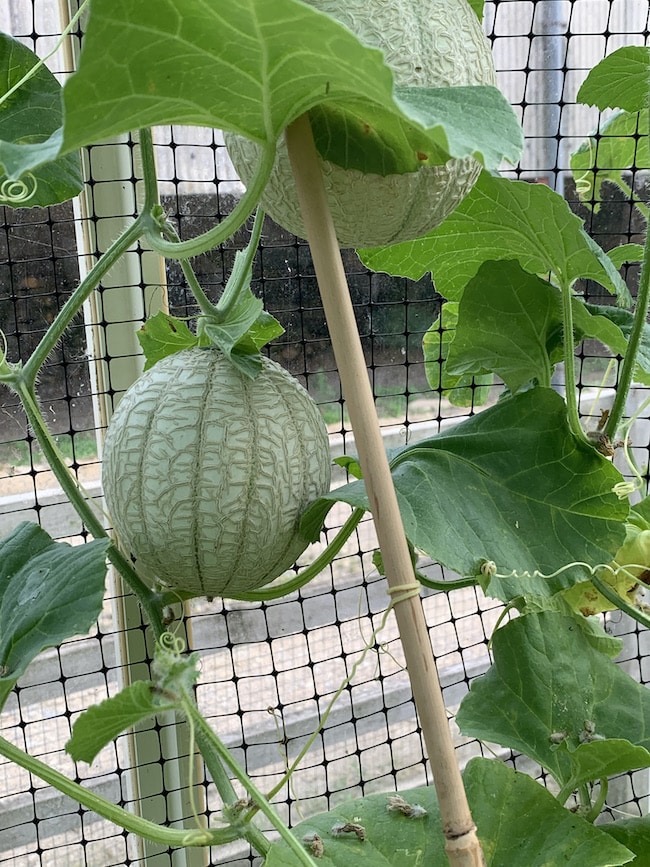
Melons
Description: Trailing vine producing sweet aromatic fruits with orange, green, or yellow flesh. Honeydew, cantaloupe, and watermelon types.
Notes: Require very warm conditions – greenhouse best in UK. Support fruits in nets as they develop. Stop plants at 4-5 leaves to encourage fruiting. Hand-pollinate flowers. Reduce watering as fruits ripen.
Sowing Table:
- Mar-Apr: Seeds indoors (heated propagator)
- May: Young plants to heated greenhouse
- Best for: Greenhouse cultivation only in UK
Strawberries
Description: Low-growing perennial producing red fruits. Summer-fruiting, perpetual, and day-neutral types. Runners produce new plants.
Notes: Replace plants every 3-4 years for best fruiting. Remove runners unless propagating. Protect from birds with netting. Straw mulch keeps fruits clean. Water regularly during fruiting.
Sowing Table:
- Jul-Sep: Bare-root runners (best establishment)
- Mar-May: Container-grown plants
- Aug-Sep: Pot-grown plants (heavy croppers following year)
Sweet Potatoes
Description: Tropical trailing vine producing orange, white, or purple edible tubers. Ornamental foliage. Requires long, warm growing season.
Notes: Grow from slips (rooted shoots from tubers). Requires very warm soil and protected position. Best in greenhouse or polytunnel in UK. Harvest before first frost. Cure tubers after harvest.
Sowing Table:
- Feb-Mar: Start slips indoors from tubers
- May-Jun: Young plants outdoors after hardening off (very warm spot only)
- Best for: Greenhouse or polytunnel cultivation
Tomatoes
Description: Fruiting plant producing red, yellow, orange, purple, or black fruits. Cordon (tall, single-stem) or bush varieties. Cherry to beefsteak sizes.
Notes: Cordons require staking and side-shooting. Feed weekly with tomato fertilizer once flowering. Water consistently to prevent blossom end rot and fruit splitting. Outdoor varieties hardier but less productive.
Sowing Table:
- Feb-Mar: Seeds indoors (greenhouse varieties)
- Mar-Apr: Seeds indoors (outdoor varieties)
- May-Jun: Young plants outdoors after hardening off
Blueberries
Description: Deciduous shrub producing clusters of blue-purple berries. Attractive autumn foliage. Requires acidic soil (pH 4.5-5.5).
Notes: Must have ericaceous compost and rainwater. Plant at least two varieties for better pollination. Net against birds. Light pruning in winter removes old wood. Slow to establish but long-lived.
Sowing Table:
- Oct-Mar: Bare-root or container plants (dormant season best)
- Year-round: Container-grown plants possible
- Best planting: November or March
Apple
Description: Deciduous fruit tree producing crisp fruits in eating and cooking varieties. Various rootstocks control size from dwarf to standard.
Notes: Most require pollination partner (check pollination groups). Prune in winter for established trees. Thin fruits in June for better size. Can take 3-5 years to fruit well depending on rootstock.
Sowing Table:
- Nov-Mar: Bare-root trees (dormant season – best value)
- Year-round: Container-grown trees
- Best planting: November-December or February-March
Cherry
Description: Deciduous fruit tree producing sweet or sour cherries. Sweet cherries larger; sour cherries better for cooking. Spring blossom ornamental.
Notes: Sweet cherries require pollinator (or self-fertile varieties available). Protect from birds with netting. Modern dwarfing rootstocks make growing easier. Prune in summer to reduce disease risk.
Sowing Table:
- Nov-Mar: Bare-root trees (dormant season)
- Year-round: Container-grown trees
- Best planting: November or March
Pear
Description: Deciduous fruit tree producing sweet, juicy fruits. Upright growth habit. Beautiful spring blossom. Various harvest times from August to October.
Notes: Require pollination partner (check pollination groups). Pears flower earlier than apples – frost risk. Ripen off tree for best flavor. Prune in winter. Train as cordons, espaliers, or free-standing trees.
Sowing Table:
- Nov-Mar: Bare-root trees (dormant season – best)
- Year-round: Container-grown trees
- Best planting: November-December
Plum
Description: Deciduous fruit tree producing sweet or cooking plums in purple, red, yellow, or green. Includes gages, damsons, and mirabelles.
Notes: Self-fertile varieties available. Prune only in summer to reduce silver leaf disease risk. May need thinning in heavy crop years. Support branches when heavily laden. Can fruit within 3-4 years.
Sowing Table:
- Nov-Mar: Bare-root trees (dormant season)
- Year-round: Container-grown trees
- Best planting: November or March
Walnut
Description: Large deciduous tree producing edible nuts in hard shells. Attractive foliage. Requires significant space (10m+ spread at maturity).
Notes: Very long-lived tree. Takes 5-10 years before good nut production. Frost can damage spring growth. Grafted varieties fruit earlier than seed-grown. Deep taproot – transplant when young.
Sowing Table:
- Nov-Mar: Bare-root trees (dormant season only)
- Best planting: November-December
- Note: Very long-term crop
Herbs & Perennials
Basil
Description: Tender annual herb with aromatic green or purple leaves. Essential Mediterranean herb. Bushy growth to 30-45cm.
Notes: Frost-sensitive – grow as annual. Pinch out growing tips to encourage bushiness. Remove flower spikes to prolong leaf production. Prefers warm, sheltered spot. Water regularly.
Sowing Table:
- Mar-Apr: Seeds indoors
- May-Jun: Seeds direct outdoors or young plants out
- Best as: Annual summer herb
Borage
Description: Annual herb producing blue star-shaped edible flowers and cucumber-flavored leaves. Self-seeds readily. Grows to 60cm. Attractive to bees.
Notes: Very easy to grow. Self-seeds prolifically – can become invasive. Flowers and young leaves edible. Tap-rooted – doesn’t transplant well. Excellent companion plant for pollination.
Sowing Table:
- Mar-Jul: Seeds direct outdoors
- Best approach: Direct sow where wanted
Chives
Description: Perennial allium forming grassy clumps with mild onion flavor. Pink-purple edible flowers in early summer. Grows to 30cm.
Notes: Very hardy and easy. Cut back after flowering to encourage fresh growth. Divide clumps every 3-4 years. Can be forced indoors for winter harvest. Attracts beneficial insects.
Sowing Table:
- Mar-May: Seeds outdoors or in pots
- Mar-Oct: Young plants or divisions
- Best as: Permanent clump divided regularly
Coriander
Description: Annual herb with aromatic leaves (cilantro) and seeds (coriander). Delicate feathery foliage. Bolts readily in hot weather.
Notes: Prone to bolting – choose slow-bolt varieties. Succession sow for continuous leaf supply. Grow for leaves or allow to flower for seeds. Prefers cool conditions. Self-seeds readily.
Sowing Table:
- Mar-Sep: Seeds direct outdoors
- Best practice: Sow every 3-4 weeks
- Avoid: Hottest summer months for leaf production
Echinacea
Description: Hardy perennial producing large daisy-like flowers in pink, purple, white, or orange. Medicinal properties. Grows 60-90cm tall.
Notes: Very hardy and drought-tolerant once established. Deadhead to prolong flowering. Cut back in autumn. Attracts butterflies and bees. Can take 2 years to flower from seed.
Sowing Table:
- Mar-May: Seeds indoors or outdoors
- Apr-Oct: Young plants outdoors
- Best as: Container-grown plants for quicker flowering
Lavender
Description: Evergreen shrub with aromatic grey-green foliage and purple, blue, white, or pink flower spikes. Very drought-tolerant once established.
Notes: Requires excellent drainage and full sun. Prune after flowering and lightly in spring. Don’t cut into old wood. Replace every 8-10 years. Attracts pollinators. Dislikes winter wet.
Sowing Table:
- Mar-May: Seeds indoors (slow from seed)
- Apr-Sep: Young plants outdoors
- Best planting: Spring or early autumn
Lemon Balm
Description: Hardy perennial with lemon-scented leaves. Small white flowers. Can spread vigorously. Grows to 60cm. Member of mint family.
Notes: Very easy and vigorous – can become invasive. Cut back before flowering to prevent self-seeding. Divide clumps every few years. Attracts bees. Leaves used for tea.
Sowing Table:
- Mar-May: Seeds indoors or outdoors
- Apr-Sep: Young plants or divisions
- Warning: Can spread aggressively
Lemon Verbena
Description: Deciduous shrub with intensely lemon-scented leaves. Small white flowers. Grows to 1-2m. Not fully hardy.
Notes: Protect from hard frost or grow in container to move under cover. Loses leaves in winter. Prune in spring. Very drought-tolerant. Leaves retain scent when dried.
Sowing Table:
- Apr-May: Young plants outdoors
- Best as: Container-grown for winter protection
- Note: Difficult from seed – buy plants
Mint (Moroccan)
Description: Hardy perennial with bright green leaves and mild, sweet flavor. Spreads via underground runners. Grows 30-60cm.
Notes: Extremely invasive – grow in containers or confined areas. Cut back regularly to encourage fresh growth. Can be dried for winter use. Divide clumps every few years.
Sowing Table:
- Mar-May: Young plants or divisions
- Year-round: Container-grown plants
- Best approach: Plant divisions in spring
Oregano
Description: Hardy perennial with aromatic leaves and pink-purple flowers. Mat-forming Mediterranean herb. Grows 30-45cm. Flavor intensifies when dried.
Notes: Very hardy and drought-tolerant. Cut back after flowering. Divide clumps every 3-4 years. Flavor strongest just before flowering. Attracts beneficial insects and pollinators.
Sowing Table:
- Mar-May: Seeds indoors or outdoors
- Apr-Sep: Young plants outdoors
- Best as: Container-grown plants for immediate use
Rosemary
Description: Evergreen shrub with needle-like aromatic leaves and blue flowers. Upright or prostrate varieties. Grows 60cm-1.5m depending on variety.
Notes: Requires excellent drainage and full sun. Prune after flowering to maintain shape. Not fully hardy in cold areas. Can be grown in containers. Avoid cutting into old wood.
Sowing Table:
- Mar-May: Seeds indoors (slow from seed)
- Apr-Sep: Young plants outdoors
- Best planting: Spring or early autumn
Sage
Description: Evergreen shrub with grey-green aromatic leaves. Purple-blue flower spikes. Grows 45-60cm. Various colored leaf varieties available.
Notes: Very hardy and drought-tolerant. Prune in spring to maintain shape. Replace every 4-5 years as becomes woody. Avoid cutting into old wood. Purple varieties less hardy.
Sowing Table:
- Mar-May: Seeds indoors
- Apr-Sep: Young plants outdoors
- Best planting: Spring
Trees & Perennial Crops
Asparagus
Description: Hardy perennial producing edible young shoots (spears) in spring. Fern-like foliage in summer. Can produce for 20+ years once established.
Notes: Requires patience – don’t harvest until third year. Male plants (all-male hybrids best) more productive. Requires well-drained fertile soil. Cut down ferny growth in autumn. Top-dress with compost annually.
Sowing Table:
- Mar-Apr: One-year-old crowns planted (best method)
- Mar-Apr: Seeds indoors (slower – 3 years to harvest)
- Best approach: Buy crowns for quicker harvest
Broccoli
Description: Brassica producing tight green or purple flower heads. Calabrese (quick crop) or sprouting types (winter harvest). Very nutritious.
Notes: Calabrese for summer harvest; purple/white sprouting for late winter/spring. Needs firm soil and protection from cabbage white butterflies and pigeons. Cut main head, side shoots will develop.
Sowing Table:
- Feb-Mar: Seeds indoors (calabrese – summer)
- Apr-May: Seeds outdoors or transplant young plants (calabrese)
- Apr-May: Seeds/young plants (sprouting types – winter/spring harvest)
- Jun-Jul: Young plants transplanted for spring harvest
This comprehensive guide provides everything needed for successful growing of your chosen crops. Each entry includes optimal sowing times, whether using seeds or established plants, and specific cultivation notes for UK conditions.