Creating a garden that requires minimal upkeep with mulching
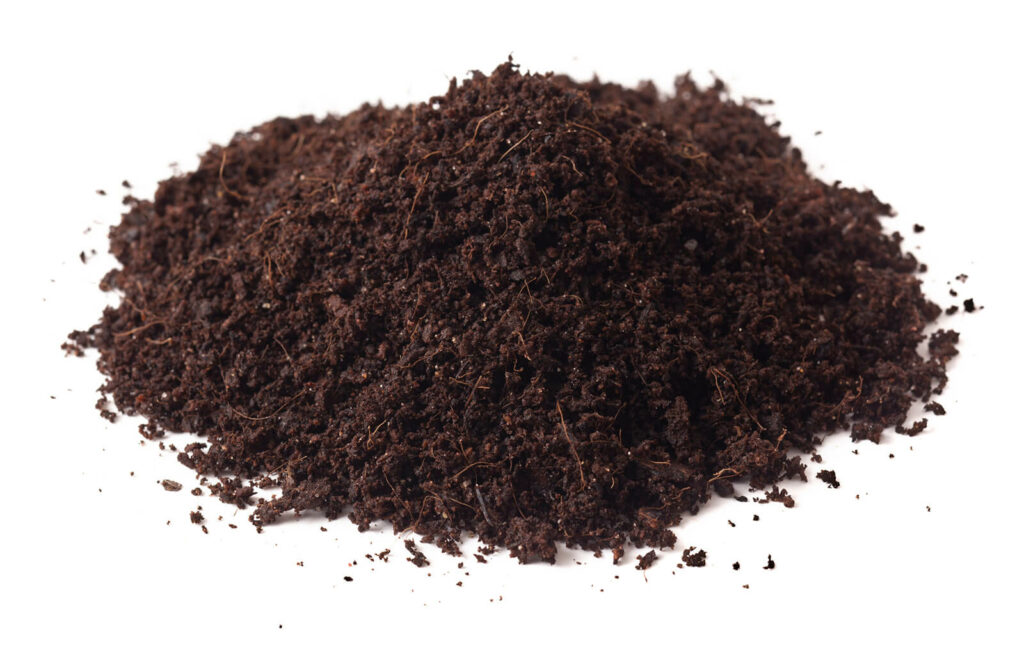
Creating a garden that requires minimal upkeep hinges on the effective use of mulches. Mulches help subdue the growth of weeds, thus reducing the frequency of weeding.
For areas predominantly filled with trees and shrubs, you can opt for weed barrier sheets covered by bark chips or wood chip mulches. In contrast, places filled with perennial plants would benefit more from the use of spent mushroom compost or well-decomposed horse or farmyard manure. Ensure that the materials used are free from weeds to prevent future growth.
With time, these mulches will merge with the soil, thanks to soil bacteria and earthworms. This process enhances the soil’s texture and its ability to retain water.
A crucial aspect to remember when using any form of mulch is that as it decomposes, it depletes the soil’s nutrients. The bacteria in the soil utilize these nutrients to assist in breaking down the mulches. To counteract this, it’s recommended to add fertiliser to the soil before mulching. A handful of Growmore fertiliser per square meter should suffice.
Spent mushroom compost is a suitable mulch for a majority of soils and plants. However, if your soil requires pH reduction or if your plants prefer acidic soil conditions, well-rotted horse or farmyard manure is a more appropriate option due to its slight acidity.
It’s important to note that spent mushroom compost contains high lime levels, rendering it unsuitable for plants that thrive in acidic soil.
After the initial application of mulch, yearly top-ups are necessary. Should any persistent weeds manage to break through the mulch layer, they can be removed manually.