
Feeding Soft Fruit and Cane Fruit During the Summer
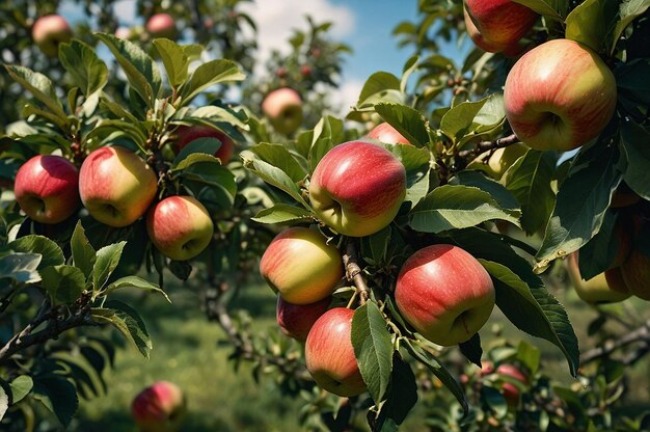
During the summer months, fruiting plants are working hard to develop and ripen their crops. Apples, pears, gooseberries, currants, raspberries, blackberries and other soft fruits all benefit from a little extra attention, particularly during periods of hot, dry weather.
Most gardeners are familiar with using a high-potash feed, such as liquid tomato fertiliser, to encourage flowering and fruit production. However, there is another simple treatment that can help support healthy crops during the summer.
Using Epsom Salts
Epsom salts contain magnesium, an important plant nutrient that plays a key role in photosynthesis and fruit development.
As fruit begins to swell and mature, a magnesium boost can help plants maintain healthy foliage and support the production of quality fruit.
For established fruit trees and fruit bushes, dissolve:
Two spoonfuls of Epsom salts in a two-gallon watering can
Apply the solution around the base of the plant, ensuring it soaks into the root zone.
This can be used alongside your normal feeding programme and is particularly useful during warm weather when plants are under additional stress.
Continue Using High-Potash Feeds
Epsom salts should not replace regular feeding.
Continue to use a high-potash fertiliser, such as liquid tomato food, throughout the fruiting season. Potash helps improve fruit quality, flavour and ripening while encouraging plants to continue producing healthy crops.
The combination of high-potash fertiliser and occasional Epsom salt applications often produces excellent results.
Watering During Hot Weather
Good watering practices are just as important as feeding.
In warm weather, fruit trees and soft fruit plants benefit from a thorough watering once or twice a week rather than little and often. The exact amount required will depend on soil type, rainfall and temperature.
The aim is to keep plants actively growing without leaving the soil permanently saturated.
Avoid Watering the Leaves
Where possible, water the soil around the base of the plant rather than spraying water over the foliage.
There are two reasons for this:
1. Sun Scorch
Water droplets left sitting on leaves can act like tiny magnifying glasses, focusing sunlight onto the leaf surface and potentially causing scorch damage during hot weather.
2. Temperature Shock
During the summer, water from outdoor taps or water butts can sometimes be significantly cooler than the surrounding air and leaf temperature. Applying cold water directly to hot foliage can occasionally cause unnecessary stress to the plant.
For this reason, it is usually better to direct water onto the soil where it can be absorbed by the roots.
A Simple Summer Fruit Feeding Programme
For apples, pears, gooseberries, currants, raspberries and other fruiting plants:
- Continue feeding with liquid tomato food or another high-potash fertiliser.
- Apply Epsom salts occasionally during the fruiting period.
- Water thoroughly once or twice a week during dry weather.
- Direct water onto the soil rather than the leaves.
- Avoid overwatering, particularly on heavier soils.
Following this simple routine will help fruiting plants remain healthy, productive and better able to cope with periods of summer heat, resulting in stronger growth and better-quality crops.
GardenAdvice Tip: Healthy leaves produce better fruit. Keeping plants well fed and properly watered throughout the summer is one of the easiest ways to improve the quality and quantity of your harvest.