
Sowing and Young Vegetable Plan for Fiona and Michael Sowing and Planting in June
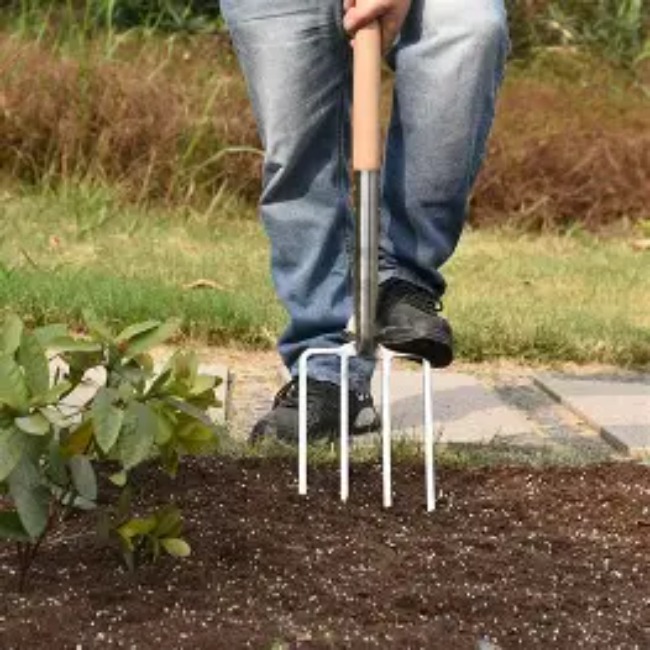
June is one of the busiest and most productive months in their vegetable garden. The soil has warmed up, the risk of frost has largely passed, and there is still plenty of time to sow crops that will provide harvests throughout summer, autumn and even into next spring.
The key to success at this time of year is not to sow everything at once. Instead, sow little and often to create a steady supply of fresh vegetables over a long period.
Vegetables to Sow Directly Outside Now
Several crops can be sown straight into prepared soil during June.
Beetroot
Beetroot is ideal for sowing now and will provide roots for harvesting from late summer into autumn. A second sowing towards the end of June or early July will extend the harvest season even further.
Carrots
Continue sowing carrots throughout June and into July for a succession of young, tender roots. Remember that carrot root fly becomes active at this time of year, so consider using barrier netting around carrot beds to help prevent damage. This is particularly worthwhile once thinning begins, as the smell released by disturbed foliage can attract the pest.
Peas
June is still a good time for a final sowing of peas. This can extend your harvesting period well into late summer and ensure a steady supply of pods.
Radishes
One of the quickest vegetables to grow. Sow every couple of weeks for continuous harvests. They are often ready in as little as four weeks.
Lettuce and Salad Leaves
Rather than sowing an entire row at once, sow small amounts every two weeks. This avoids a glut and ensures a regular supply of fresh leaves throughout the summer.
Spinach
Spinach can still be sown now but needs regular watering during dry weather. Hot conditions can cause plants to bolt and run to seed prematurely.
Kale
A very useful crop for autumn and winter harvesting. Sow now and young plants will establish quickly while the soil remains warm.
Sprouting Broccoli
June is the last main month for sowing sprouting broccoli. Although it takes patience, plants sown now can provide valuable harvests next spring when little else is available.
Cauliflower
If you want a late-season cauliflower crop, June is your final opportunity for sowing.
Young Plants Ready for Planting Out
Many vegetables started indoors earlier in spring should now be ready for planting outside.
Courgettes
Courgettes grow rapidly once planted into warm soil. A few plants can produce a surprising amount of fruit throughout summer.
Cucumbers
Outdoor cucumbers can now be planted into sheltered, sunny positions. Keep them well watered during dry spells.
Runner Beans
Young runner bean plants can be planted outside once supports are in place. They will quickly climb and begin producing flowers and pods later in the season.
Sweetcorn
Plant sweetcorn in blocks rather than single rows to improve pollination and increase cob production.
Before planting out any young plants that have been growing indoors or under protection, harden them off gradually for around a week by exposing them to outdoor conditions during the day and bringing them back under cover at night.
Succession Sowing for Continuous Harvests
One of the secrets of productive vegetable gardening is succession sowing.
Prioritise:
- Lettuce and salad leaves every 2 weeks
- Radishes every 2 weeks
- Carrots every 3 weeks until July
- Beetroot now and again in late June
- One final sowing of peas
- Dwarf French beans in late June for crops extending into autumn
This approach produces manageable harvests over many months rather than overwhelming gluts.
Preparing the Soil Before Sowing
Seeds germinate best in a fine, firm seedbed.
Before sowing:
- Remove weeds and stones.
- Work a general fertiliser into the top 5–10 cm of soil.
- Break down any large lumps.
- Firm the surface lightly.
- Rake to create a fine tilth.
Sowing in rows or drills is generally preferable to scattering seed because it makes watering, weeding and identifying young seedlings much easier.
Using Weed-Suppressing Sheeting
Black woven weed-control fabric can save a great deal of time during summer by reducing weeding and conserving moisture.
It works particularly well for larger vegetables such as:
- Courgettes
- Pumpkins and squash
- Sweetcorn
- Outdoor tomatoes
- Cucumbers
- Kale
- Broccoli
- Brussels sprouts
- Cabbage
Plant through holes cut in the fabric and water deeply, ideally using a leaky hose or drip irrigation system.
The sheeting is less suitable for crops such as carrots, beetroot, parsnips, radishes, spinach and salad crops, which generally perform better in open cultivated soil.
GardenAdvice Recommendation for Fiona and Michael
As GardenAdvice members in Chigwell, Fiona and Michael are entering one of the most productive periods of the vegetable-growing year. The warm conditions of early summer in the London area often allow crops to establish quickly, provided watering remains consistent during dry spells.
The focus now should be on:
- Planting out courgettes, cucumbers, runner beans and sweetcorn.
- Sowing carrots, beetroot, lettuce, radishes and peas directly outdoors.
- Starting kale and sprouting broccoli for autumn and winter harvesting.
- Protecting carrots with barrier netting against carrot root fly.
- Maintaining regular watering of newly sown seed rows and young plants.
Jobs to Prioritise This Month – June
- Plant out courgettes, cucumbers, runner beans and sweetcorn.
- Sow carrots, beetroot, peas, radishes and lettuce directly outside.
- Sow kale and sprouting broccoli for autumn, winter and spring harvests.
- Make a final sowing of cauliflower if required.
- Install carrot root fly barriers where carrots are growing.
- Keep newly sown rows and young plants consistently watered.
- Continue sowing little and often rather than all at once.
June is one of the most rewarding months in the vegetable garden. With regular sowing and steady watering, Fiona and Michael can look forward to productive harvests throughout summer and well into autumn, while also laying the foundations for winter and spring crops.
This advice has been prepared for Fiona and Michael through their GardenAdvice membership and MyGardenTeam online garden support service.