
Transform Your Lawn: A Comprehensive Guide to Overseeding, Top Dressing, and Recovery
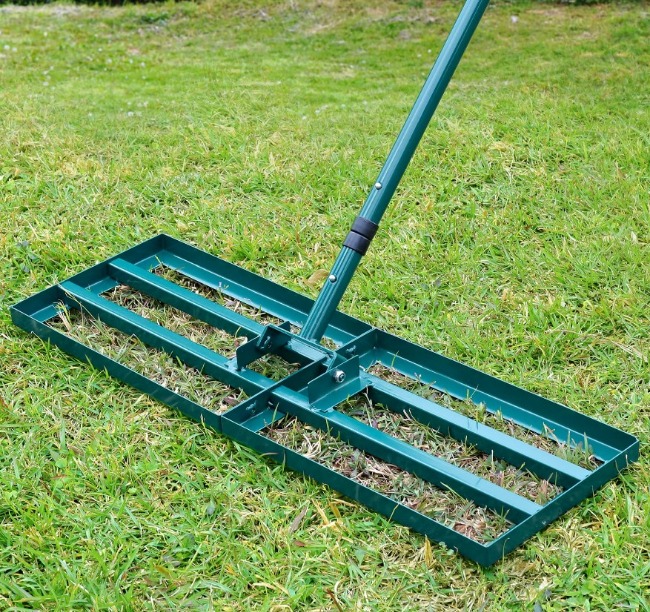
Lawn Lute helping to level lawns with topdressing
Improving Your Lawn: A Step-by-Step Guide
A thin, patchy lawn is one of the most common issues faced by homeowners across the UK. Fortunately, with the right approach, you can transform your grass and revive its lush appearance in just one growing season. In this guide, we’ll walk you through the essential steps for improving your lawn, from checking the soil pH to overseeding, top dressing, and ensuring recovery.
1. Check the pH First
Before you embark on any lawn improvement project, it’s crucial to test your soil’s pH. A high presence of moss usually signifies an acidic environment, as moss thrives in these conditions, competing heavily with grass for space. If your soil pH is below 6.0, apply garden lime to raise it. This amendment shifts the soil conditions back in favor of grass and kick-starts the recovery process.
For most lawns, especially those that have simply been neglected, the pH is typically within an acceptable range, allowing you to move straight on to the overseeding process.
2. Overseeding
The crux of a successful overseeding process lies in selecting the right grass seed mixture. Opt for a fine grass mix centered around fescues and bent species, as these grasses offer better resilience during both dry spells and periods of prolonged rainfall, in contrast to coarser ryegrass blends.
- Apply roughly one handful of seed per square metre.
- Lightly incorporate the seeds into the existing grass using a stiff brush or the back of a rake.
- Follow up with a thin layer of top dressing — a combination of sand and loam — to both cover the seed and retain moisture.
You can create your own loam by stacking old turf, allowing it to break down over several months, and then sieving it to achieve a fine texture. Combine this with sharp sand for optimal drainage.
Once the seed and dressing are down, firm the area by either using a roller or walking over it. Good seed-to-soil contact is critical for germination success.
3. Keeping the Seed Damp
Grass seed requires consistent moisture for at least fourteen days to germinate successfully. This is why autumn is often the ideal time to overseed; the soil still retains warmth from the summer, and natural dew helps maintain moisture without much additional effort.
If you plan to overseed in the summer, be prepared to maintain moisture with spray lines or a sprinkler system. Be mindful that if temperatures exceed 27°C, the germination process may pause, as the seed enters a dormant state until cooler conditions return.
4. Encouraging Tillering
Once the new grass has sprouted and reached about 50mm (two inches) in height, you can encourage a thicker growth through a process known as tillering. Lightly top off the grass, or simply walk over it to bruise the blades. This damages the grass slightly, prompting the plant to produce multiple new shoots from the same root system.
This technique is akin to what farmers do by rolling their fields in late winter and early spring to encourage more leaf growth for grazing. In a domestic lawn, the goal is to achieve a denser and healthier turf.
5. The One-Third Rule
A crucial rule of thumb in lawn care is to never remove more than one third of the grass blade in a single cut. For instance, if your grass is 75mm tall, limit your cut to no more than 25mm. Cutting beyond this weakens the grass and hampers its recovery, negating much of your previous hard work in overseeding and top dressing.
6. Leveling with Top Dressing
Besides covering new seeds, top dressing serves to level out bumps and hollows in your lawn. Use a lawn lute (a wide, flat-headed rake) to drag the sand and loam mixture into any dips and low spots.
It’s essential not to bury existing grass under a deep layer of top dressing, as this can cause it to die. Instead, aim to leave the tips of the grass blades just visible above the dressing; this allows it to grow through the layer, gradually leveling out the lawn over time.
Repeat the top dressing process throughout the growing season as needed — over the span of a year, these efforts will progressively enhance your lawn’s uniformity.
7. Feeding
When your lawn is in recovery mode, opt for a natural, slow-release organic fertilizer. Avoid high-nitrogen synthetic feeds, as they can induce a rapid flush of soft growth that is more prone to disease and does not contribute to building a robust turf over the long term.
Organic fertilizers release nutrients more evenly, supporting steady, healthy growth as the season unfolds.
Improving your lawn can be a rewarding project that yields visible results in a season. By following these steps — from checking the pH to overseeding, top dressing, and feeding — you can rejuvenate your grass and enjoy a lush, vibrant lawn for years to come.