
How to Select and Site a Cold Frame for Your Garden
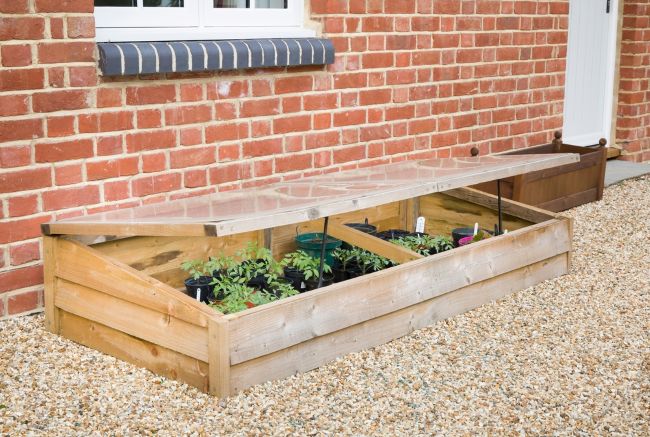
A cold frame is an invaluable tool for extending the growing season, hardening off young plants, and protecting tender crops. But to make the most of it, selecting the right model and placing it in the optimal position is key. Here’s what to consider when choosing and siting your cold frame.
1. Panel Type – Choose Clear Over Translucent
The type of panel you choose plays a big role in plant growth. Clear panels are always recommended over translucent ones. Clear panels allow the maximum amount of sunlight to reach your plants, encouraging strong, healthy development.
If light levels get too high, especially during bright spells in spring or summer, you can easily manage this by laying a shading material over the cold frame. Options include:
- Horticultural fleece
- Shade cloth
- Lightweight fabric or sheet
This shading can be removed on overcast days or in the late afternoon to ensure plants still get the light they need.
2. Glazing Material – Glass vs. Polycarbonate
When it comes to glazing material, your main choices are glass and polycarbonate:
- Toughened Glass:
Offers the best light transmission and is ideal for promoting growth. It’s stronger than standard horticultural glass and more resistant to damage. However, many cold frames on the market come with regular horticultural glass, which is usually 3mm thick and more fragile. - Polycarbonate:
A popular alternative that’s lightweight, durable, and resistant to breakage. While it allows slightly less light through than glass, it’s far safer, especially in busy gardens or around children and pets.
3. Ventilation – Look for Adjustable Hinged Lids
Ventilation is essential to avoid overheating and to maintain healthy airflow, which helps prevent fungal issues like damping off.
- Hinged lids are preferable to sliding ones, as they let you easily vary the size of the ventilation gap depending on the weather.
- On warmer days, prop open the lid to allow excess heat to escape.
- On cooler or windy days, keep it more tightly closed to retain warmth.
4. Securing Against Wind – Simple But Essential
Cold frames can be surprisingly vulnerable to gusty weather, particularly those with lightweight polycarbonate lids. To avoid damage:
- Place a brick, paving slab, or other heavy object on top of the lid.
- This helps keep the frame secure, especially during stormy conditions.
5. Siting Your Cold Frame – Maximise Sun, Minimise Exposure
To get the most from your cold frame, position it carefully:
- Choose a sunny, sheltered spot – ideally south or southeast-facing for maximum sunlight.
- Avoid areas that are too exposed to wind, especially if your garden is on higher ground.
- Place the cold frame on soil or gravel for better drainage (avoid sitting directly on concrete if possible).
Choosing the right cold frame isn’t just about the product—it’s also about how you use and place it. Opt for clear panels, toughened glass or polycarbonate, hinged lids for ventilation, and remember to secure the lid on windy days. A well-sited and properly managed cold frame can make a huge difference in your gardening year, helping you get plants off to the best possible start.