
Training a Nectarine Tree and other fruit trees: Fan Training, Pruning & Fruiting Tips
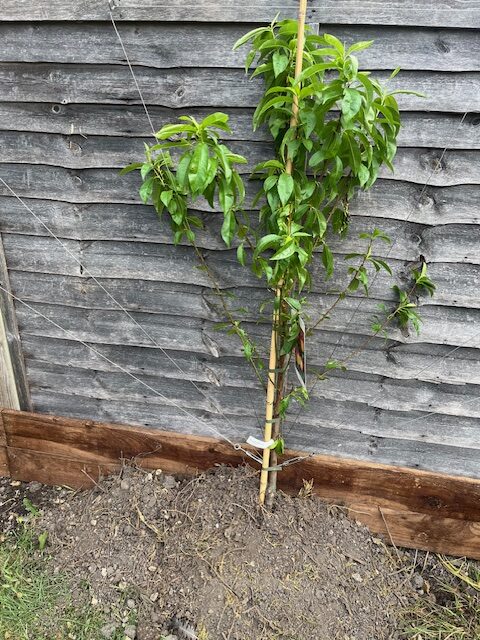
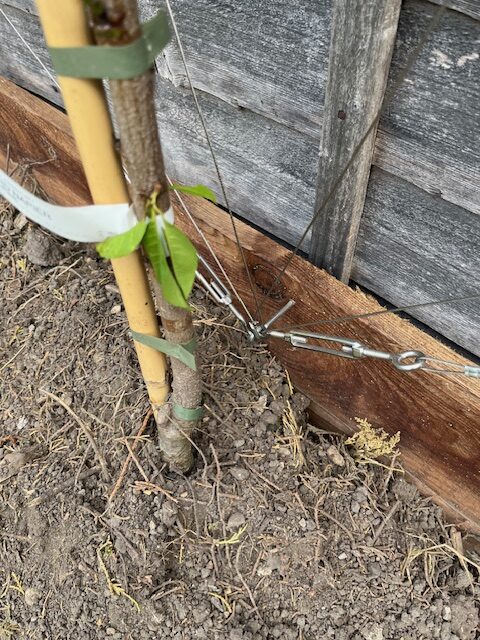
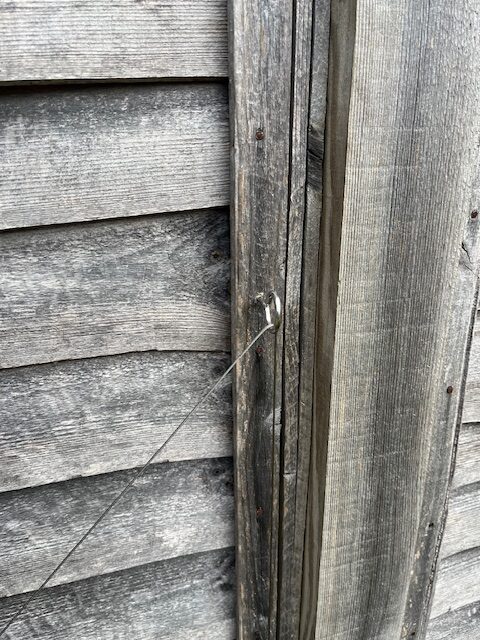
Fan Training Fruit Trees: Nectarines, Apples, Pears, and Cherries
Fan training fruit trees such as nectarines, apples, pears, and cherries is an excellent way to save space, particularly beneficial in smaller gardens or narrow borders. By training these fruits against a south- or west-facing wall or fence, you maximize warmth, sunlight, and airflow, significantly enhancing fruit production and quality.
Benefits of Fan Training:
- Maximizes Sun Exposure: Enhanced ripening, sweeter fruits, and reduced fungal diseases.
- Space-Efficient: Ideal for small gardens or urban spaces.
- Improved Air Circulation: Reduces diseases such as peach leaf curl, scab, and mildew.
- Easy to Protect: Barrier netting can be easily draped over a fan-trained tree to protect ripening fruit from birds and wasps.
Advantages of Horizontal Training:
- Encourages Fruit Bud Development: Training branches horizontally or partially horizontally reduces vigorous vertical growth, channeling energy into fruit bud formation.
- Even Distribution of Nutrients: Results in balanced fruit production and improved fruit size and quality.
- Ease of Harvesting: Fruit is readily accessible for picking, reducing the risk of damage.
Choosing and Planting Your Trees:
- Choose self-fertile varieties or compatible pollinators for maximum fruiting.
- Nectarines: ‘Lord Napier’, ‘Fantasia’.
- Apples: ‘Cox’s Orange Pippin’, ‘Discovery’, ‘James Grieve’.
- Pears: ‘Conference’, ‘Beth’.
- Cherries: ‘Stella’, ‘Sunburst’.
- Opt for one-year-old maiden whip trees, planted between late autumn and early spring.
- Position trees approximately 15–20 cm (6–8 inches) from a warm wall or fence, angled slightly forward.
- Use well-drained, fertile soil enriched with compost or well-rotted manure.
Fan Training Method:
Year 1 – Establishing Framework:
- Early spring, cut maiden whip back to about 45 cm (18 inches) above ground.
- Allow 3–5 strong shoots to grow. Select two best shoots, training them diagonally (approximately 45°) on horizontal wires or bamboo canes.
- Remove competing shoots or those growing towards or away from the wall.
Year 2 – Shaping the Fan:
- Shorten leading shoots by one-third during winter.
- Train new lateral shoots horizontally or partially horizontally onto wires.
- Remove inward or outward growth to maintain fan shape.
Year 3 Onwards – Ongoing Maintenance:
- Continue building layers of framework, spacing main branches 20–30 cm apart.
- Replace damaged or unproductive branches with well-placed new shoots.
Pruning Guidance:
- Nectarines: Fruit on one-year-old wood; prune to maintain steady new shoot growth.
- Apples and Pears: Primarily fruit on short spurs formed on older wood; horizontal training promotes spur formation. Light annual pruning is key.
- Cherries: Fruit on spurs from older wood. Annual pruning should be minimal to maintain a healthy balance of older wood and new shoots.
Summer Pruning (July–August):
- Shorten excess new growth to 3–4 leaves, promoting fruiting bud formation.
- Remove crossing or congested growth to allow sunlight and air circulation.
Winter Pruning (January–February):
- Prune fruited shoots back to healthy buds or spurs, encouraging renewal of productive wood.
- Balance fruiting wood with new growth to sustain long-term productivity.
Disease Protection:
- Nectarines: Protect from peach leaf curl using clear plastic shelters from late January to May.
- Apples and Pears: Manage scab and mildew by improving air circulation and regularly removing fallen leaves and fruit.
- Cherries: Protect against bacterial canker by pruning in summer when the risk of infection is lower.
Feeding and Watering:
- Feed with general fertiliser (Growmore or blood, fish & bone) in early spring.
- Apply high-potash liquid feed fortnightly from flowering to fruit swell.
- Regular watering, particularly during fruit development and dry conditions.
Harvesting Tips:
- Pick fruit when fully coloured and slightly soft.
- Thin heavy crops in early summer to improve fruit size and reduce branch strain.
Summary:
Fan training fruit trees like nectarines, apples, pears, and cherries optimizes space, improves fruit quality, and enhances your garden’s productivity. The key steps:
- Train horizontally or diagonally to encourage abundant fruiting.
- Regular pruning and maintenance for steady production.
- Effective disease management, feeding, and watering for healthy fruit trees.
- Use barrier netting easily on the fan shape to protect ripening fruit from birds and wasps.
Whether experienced or new to gardening, fan-trained fruit trees are rewarding additions to sunny garden walls and fences.