
Improving Soil Structure and Planting Acid-Loving Shrubs in Harry and Viotas Back Garden
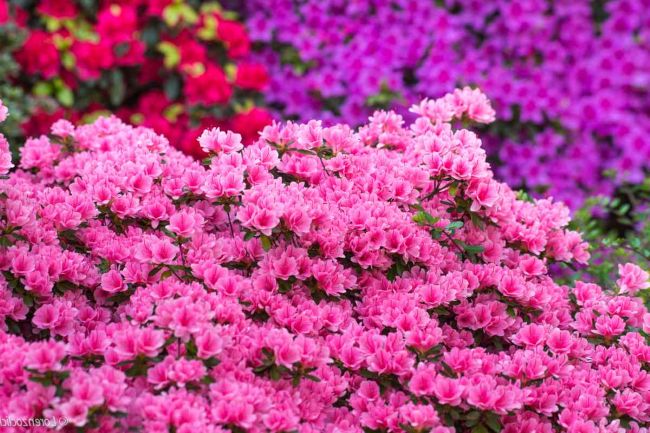
azalea acidic soil loving plant
Addressing Compacted Soil in the Main Garden Area
The left-hand side of your back garden is showing signs of destructured, compacted soil. This type of soil condition restricts root growth, reduces water infiltration, and limits the availability of air to plant roots. To address this issue, we’re implementing a two-pronged approach that will improve both soil structure and biological activity.
Spent Mushroom Compost Application
We’ll be applying spent mushroom compost as a mulch across the affected areas. This material is particularly effective for breaking up compacted soils due to its lime content, which helps to improve soil structure by encouraging the formation of stable soil aggregates. The organic matter in the compost will also increase the soil’s ability to retain moisture while improving drainage – a crucial balance for healthy plant growth.
Introducing Earthworms
To complement the mushroom compost, we’ll be introducing lob worms (earthworms) to the area. Spring conditions are ideal for worm breeding, and these natural soil engineers will work tirelessly to further improve your soil structure. As they tunnel through the soil, they create channels that improve aeration and drainage. Their castings also add valuable nutrients and help bind soil particles together.
The combination of spent mushroom compost and active earthworm populations should produce noticeable improvements in both soil texture and water retention over the coming growing season.
Creating an Acid Garden at the Bottom of the Garden
For the area at the bottom of your garden, where the hygrometers and autonomous lights are positioned, we’re planning to create a dedicated space for acid-loving plants, specifically rhododendrons and azaleas.
Understanding Rhododendron and Azalea Root Systems
These plants have evolved a unique growth habit that’s crucial to understand for successful cultivation. Unlike most garden plants, rhododendrons and azaleas produce shallow, fibrous roots that grow laterally across the soil surface rather than deeply into the ground. This is because they naturally occur on forest floors, where they receive an annual layer of acidic leaf litter. Each year, they produce new roots on top of the previous year’s root system, gradually building upwards into the accumulating organic matter.
For more information about this natural growth habit, see our article on re-potting rhododendrons and azaleas.
Preparing the Planting Area
Given that rhododendrons and azaleas are acid-loving plants (preferring a pH between 4.5-5.5), we cannot use spent mushroom compost in this area due to its high lime content, which would make the soil too alkaline. Instead, we’ll be using well-rotted horse manure, which has naturally acidic properties.
The Importance of Well-Rotted Manure
This is a critical point: the horse manure must be well-rotted before application. Fresh horse manure contains high levels of nitrogen compounds, particularly urea, which can burn plant roots and cause serious damage. During the rotting process, bacteria break down these nitrogen compounds, using much of the nitrogen for their own metabolic processes. By the time the manure is fully rotted, these potentially harmful compounds have been converted into gentler, more plant-friendly nutrients.
Ongoing Maintenance
To mimic the natural forest floor conditions that these plants thrive in, we’ll need to establish an annual top-dressing routine. Each year, we’ll apply a fresh layer of acid mulch around the base of the plants. This could be additional well-rotted horse manure, composted bark, or other acidic organic materials such as well-rotted bracken or leaf mould.
This annual mulching serves multiple purposes:
- Provides the upward-growing root system with fresh growing medium
- Maintains soil acidity
- Conserves moisture around the shallow roots
- Suppresses weed growth
- Gradually improves soil structure
For more detailed guidance on caring for acid-loving plants and maintaining appropriate soil conditions, see our comprehensive guide on feeding your garden plants.
If you have any questions about these soil improvement techniques or the planting scheme, please don’t hesitate to get in touch.