Pruning Climbing Roses on Arches: A February Essential
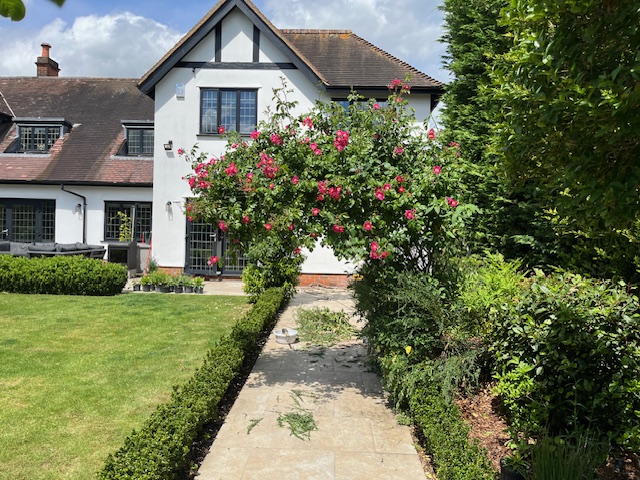
February marks one of the most important tasks in the rose calendar: the proper pruning of climbing roses on arches and structures. While many gardeners give their roses a simple “haircut” – a light trim that leaves numerous stubby shoots – rambling roses require a more thoughtful approach to maintain their spectacular flowering display year after year.
Understanding the Difference
The key to successful arch roses lies in understanding their flowering habit. Most roses produce their blooms on the current year’s growth, which means our pruning strategy must focus on encouraging fresh, vigorous stems rather than simply tidying up existing growth.
The Renewal Pruning Technique
Rather than trimming back all the shoots, select and remove entire older stems at the base. This might seem drastic, but it’s essential for long-term health and flowering. The goal is to create space for fresh growth to develop and arc gracefully over the structure.
Adopt a three-year rotation: every three years, remove approximately one in three or one in four of the oldest stems completely. This continual regeneration keeps the plant vigorous and ensures flowering coverage all the way over the arch, rather than leaving you with blooms only at the tips of aging, woody stems.
For more detailed guidance on this technique, see our comprehensive guide on how to prune and restore old climbing roses.
Post-Pruning Care
After pruning, feed generously. A heavy application of rose fertilizer or well-rotted manure at the beginning of the season will fuel the strong new growth that carries this year’s flowers. This combination of renewal pruning and good feeding should produce a spectacular display.
Adding Companion Interest
Extend the season of interest by integrating companion plants:
- Clematis species can weave through the roses, providing late-season colour when the rose flowering wanes
- Sweet peas planted early in the year scramble up among the rose stems, adding extra fragrance and early colour before the roses hit their stride
This layered approach transforms a simple rose arch into a feature with interest spanning multiple seasons.