Why Your Grass Verge Looks Better Than Your Lawn—and What to Do About It
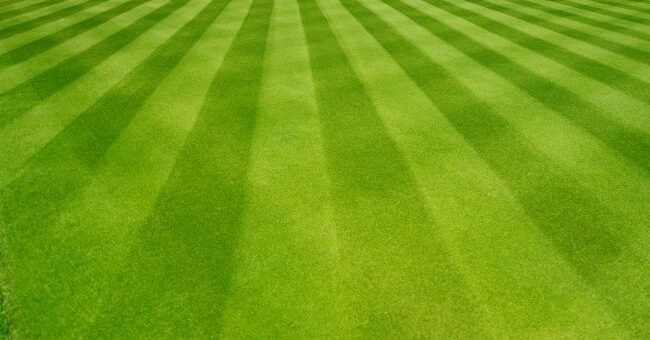
It’s a common observation: the grass verge outside the house often looks healthier than the lawn in your garden. And surprisingly, it’s often true. This is mostly down to how the verge is maintained—less fertiliser, fewer chemical treatments, and a more natural balance of soil organisms. Over time, these simple differences can have a big impact.
The Root of the Problem: Fertilisers and pH Imbalance
Most lawns are treated with high-nitrogen fertilisers designed to encourage lush green growth. While effective in the short term, these fertilisers gradually lower the soil’s pH—sometimes too far. A fine lawn benefits from slightly acidic conditions (around pH 6.0), as this inhibits many common weeds while still supporting grass growth.
But as the years go by and the pH continues to drop below this level, grass growth slows, moss takes over, and the lawn grasses begins to suffer.
The Domino Effect: Moss, Thatch, and Fewer Worms
A low pH not only weakens your lawn—it also disrupts the soil life underneath it. Earthworms and beneficial soil bacteria struggle to survive in acidic soils. Without them, the lawn’s natural recycling system breaks down. Dead grass builds up as thatch on the surface, creating a dense layer that prevents water and air from reaching the roots.
As this thatch layer builds up, it becomes a haven for moss—and increasingly, for ants.
The Rise of the Ants In Lawns
With climate change bringing warmer conditions, many lawns are becoming the perfect breeding ground for ants. The thatch layer, reinforced by fungi that act like waterproofing agents, creates a warm, damp but not overly wet shelter for ants to tunnel through. Once established, these colonies are hard to dislodge and make it even harder for the lawn to recover.
The Solution: A Soil-First Approach
The key to reviving a struggling lawn is to focus below the surface. Here’s a step-by-step guide:
1. Test and Spike
Start by testing your soil pH. Most garden centres sell simple pH kits. Use a garden fork to spike the soil, ensuring good penetration and breaking up compacted areas.
2. Apply Lime or Bio-Lime
If the pH is too low (below 6.0), apply lime or bio-lime to raise it. This creates a more favourable environment for grass, worms, and soil microbes.
3. Water with a Surfactant
To help water penetrate the thatch, mix a small amount of washing-up liquid (such as a squirt of Fairy in 2 gallons of water). This breaks the surface tension and helps the water—and lime—move into the root zone.
4. Encourage Soil Life
As conditions improve, earthworms and soil bacteria will return. This starts the natural breakdown of thatch and improves the structure and fertility of your soil.
5. Feed Organically
Once the soil life is recovering, start feeding your lawn again using organic fertilisers. These will nourish the grass without pushing the pH back down or harming beneficial organisms.
6. Control Thatch
Finally, tackle the thatch. Scarifying (raking out the dead material) or applying microbe-based treatments like micro-riser or microbial enzyme products such as Activate XL Microbial Biostimulant 5L can help clear the remaining build-up.
By focusing on the soil beneath your lawn, rather than just the grass on top, you can reverse years of decline. Healthy soil leads to a healthy lawn—just like those low-maintenance verges that seem to thrive on their own. With the right steps, your lawn can outperform the verge, season after season.