Improving Compacted Soil: The Key to a Healthy Garden
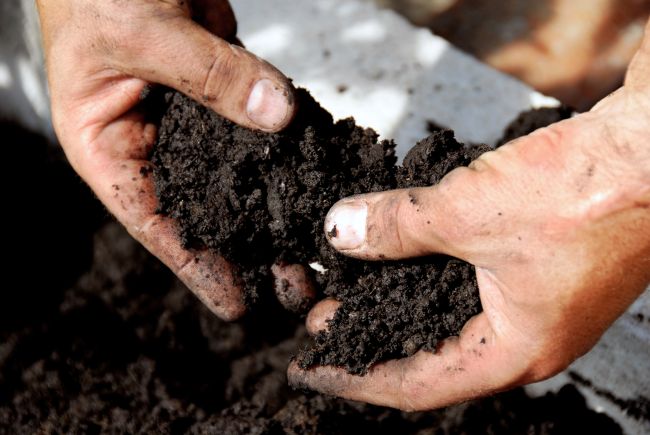
Healthy soil is the foundation of a thriving garden. But over time, many gardens suffer from soil compaction — a condition where the structure of the soil becomes dense and airless, making it hard for plants to grow. Understanding how soil functions and how to maintain its structure can transform poor soil into rich, living ground.
What Keeps Soil Healthy?
Soil isn’t just dirt — it’s a living system. Its structure is maintained by several vital elements:
- Plant roots, which help create space and channels in the soil.
- Organic matter, which feeds soil life and improves texture.
- Worms and soil organisms, which move through the soil, aerating and enriching it.
Unfortunately, traditional gardening practices — such as leaving bare soil between plants and raking away leaves each autumn — disrupt this natural system. Without cover, rain can hit bare soil and break it down into fine particles, leading to a compact, crusted surface that repels water and discourages root growth.
Step 1: Keep Soil Covered
One of the most effective ways to protect soil structure is to keep it covered. Ground cover plants, green manures, or even spreading low-maintenance clover can shield the soil from heavy rain and erosion. Their roots also keep the soil open and breathable.
Step 2: Add Organic Matter
Organic matter is essential to feed soil life and improve structure. The most effective way to do this is by applying a mulch. Good options include:
- Spent mushroom compost
- Well-rotted farmyard manure
- Wood chip (ideally aged)
Be sure your mulch is free from weed seeds, or you risk introducing new problems into your garden.
Step 3: Balance the pH
For worms and microbes to effectively break down organic material and incorporate it into the soil, the pH should be around 6.5 — slightly acidic but near neutral. At this pH, biological activity is most efficient, helping the conversion of organic matter into humus, which holds water and nutrients.
Step 4: Kickstart Soil Activity
For compacted soils, a boost may be needed. Lightly forking in the mulch or applying a high-organic fertilizer like 6X (chicken manure pellets) can help. These pellets not only contain concentrated nutrients but also beneficial microbes that stimulate soil life.
Step 5: Maintain Moisture
During dry periods, using drip irrigation on mulched beds helps maintain the slow, consistent moisture levels needed for biological activity. This supports worms, microbes, and plant roots in transforming the mulch into rich soil.
In Summary
To improve compacted soil:
- Keep it planted or covered at all times.
- Apply weed-free organic mulch.
- Maintain a soil pH around 6.5.
- Use organic fertilizers like 6X to boost biological activity.
- Water wisely to support soil organisms.
Healthy soil leads to healthier plants — and by mimicking natural processes, your garden can become more fertile, resilient, and alive year after year.