Feeding Camellias for Healthy Growth and Flowering
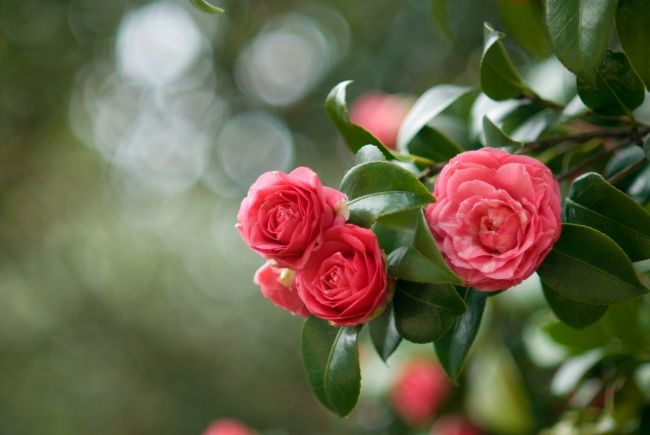
Why Feed Camellias?
Camellias benefit from regular feeding to support healthy foliage and vibrant blooms. Plants like camellias and magnolias often require additional magnesium to aid in flowering and prevent deficiencies, which can lead to issues such as yellowing leaves.
Feeding Regimen:
- Early Spring (March):
- Begin feeding with a liquid tomato feed high in potash and magnesium to support budding and flowering.
- Dilute the feed as per the manufacturer’s instructions and apply it directly to the soil around the plant.
- Throughout the Growing Season (March to September):
- Continue feeding every 3 to 4 weeks with liquid tomato feed to maintain nutrient levels.
- Autumn to Early Winter (October to December):
- If the plant has not been fed earlier in the year, applying a liquid tomato feed during autumn or early winter can be beneficial. This helps replenish depleted nutrients and strengthens the plant for the winter months.
- This feeding supports flower bud development for the following spring and improves the overall health of the plant.
- Addressing Magnesium Deficiency:
- If signs of deficiency appear (e.g., yellowing between leaf veins), supplement with Epsom salts.
- Mix two tablespoons of Epsom salts per liter of water and apply around the base of the plant.
Application Tips:
- Liquid Tomato Feed: Always dilute according to instructions. Apply directly to the soil, avoiding foliage.
- Epsom Salts: Apply as a soil drench or foliar spray for quicker results.
By including a feeding session in autumn or early winter, especially for plants that haven’t been fertilized earlier, you ensure that camellias are well-prepared for a healthy flowering season in spring.