Growing Asparagus from Crowns in Winter: A Guide
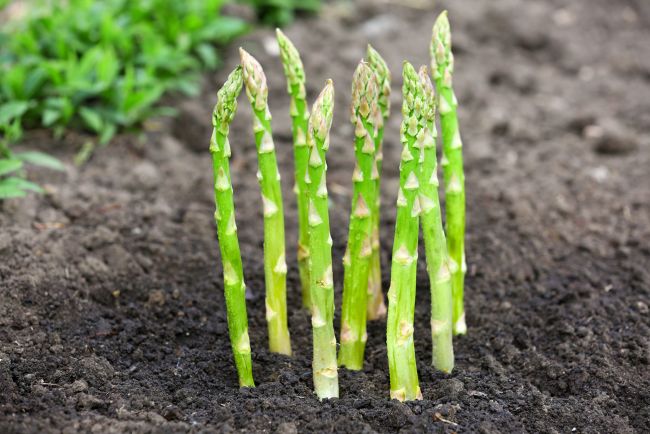
Asparagus (Asparagus officinalis) is a perennial vegetable prized for its tender, flavorful spears. While it takes patience to grow asparagus, starting with crowns (young, dormant root systems) during winter can give you a head start on establishing a productive asparagus bed. Here’s how to do it:
Why Grow Asparagus from Crowns?
Growing asparagus from crowns instead of seeds speeds up the time to harvest. Crowns are typically a year old, which means you can expect to start harvesting spears in two years instead of three. Winter is an ideal time to plant crowns in regions with mild climates or during late winter in colder areas.
Preparing to Plant
- Choose the Right Location: Asparagus thrives in full sun and well-drained soil. Select a permanent spot, as the plants can produce for 15–20 years with proper care.
- Prepare the Soil: Before planting, loosen the soil to a depth of 12–18 inches and enrich it with organic matter such as compost or aged manure. Asparagus prefers a slightly acidic to neutral pH (6.5–7.0).
- Source Healthy Crowns: Purchase fresh, disease-free asparagus crowns from a reputable nursery. Popular varieties include ‘Mary Washington,’ ‘Jersey Giant,’ and ‘Purple Passion.’
Planting Asparagus Crowns
- Timing: Plant crowns when the soil is workable and temperatures are still cool, typically in late winter or very early spring.
- Dig Trenches: Create trenches about 12 inches wide and 6–8 inches deep. Space the trenches 3 feet apart.
- Set the Crowns: Spread the crowns’ roots out in a star shape at the bottom of the trench, leaving 12–18 inches between each crown. Cover them with 2–3 inches of soil.
- Gradually Fill the Trenches: As the shoots grow, gradually fill the trench with more soil until it is level with the ground. This encourages strong, deep roots.
Winter Care Tips
- Mulch: After planting, cover the bed with a thick layer of mulch (straw, wood chips, or leaves) to insulate the crowns and suppress weeds.
- Water Sparingly: Asparagus is dormant in winter, so water lightly only if the soil becomes excessively dry.
- Protect from Frost: In very cold climates, an additional layer of mulch can help prevent crown damage from freezing temperatures.
Looking Ahead
By spring, your asparagus crowns will start sending up tender shoots. Avoid harvesting in the first year after planting, allowing the plants to establish strong roots. In the following seasons, you’ll be rewarded with a bountiful harvest of delicious spears that signal the arrival of spring.
With careful planning and winter planting, your asparagus bed can become a productive, low-maintenance addition to your garden for years to come.