Controlling bindweed, brambles and bindweed with Roundup weed killer in existing shrubs and plants
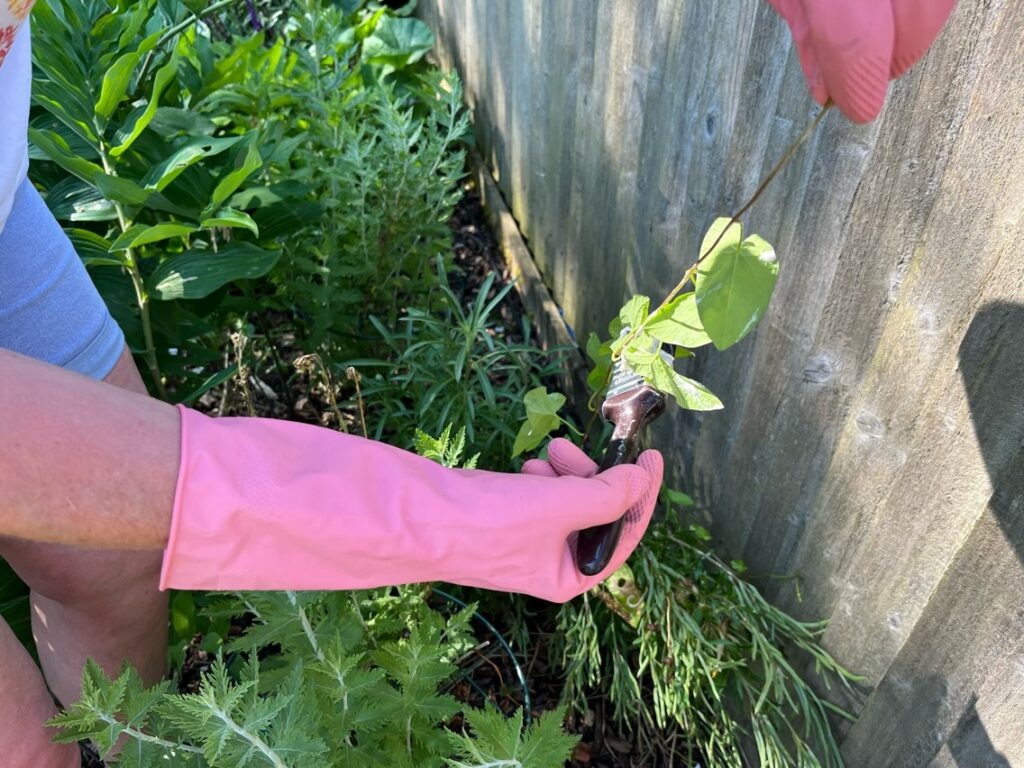
Targeted Treatment: A refined approach to combating bindweed, bramles and ground elder
Persistent weeds such as bindweed, brambles and ground elder can quickly overwhelm garden borders, climb through shrubs and hedges, and become extremely difficult to remove by hand. Digging these weeds out is often time-consuming and can disturb established plants, while repeatedly pulling the top growth usually only provides temporary control.
This article explains a more targeted approach using a glyphosate-based weed killer such as Roundup combined with a thickening agent like wallpaper paste or flour. The aim is to apply the weed killer directly onto the unwanted weed foliage while reducing the risk of drift or damage to surrounding plants.
This method is particularly useful in established borders where weeds are growing through ornamental shrubs, roses, climbers, hedges or herbaceous planting.
Understanding the Problem Weeds
Bindweed (Convolvulus arvensis)
Bindweed is a vigorous perennial climber from the morning glory family. It rapidly twines around plants, fences and supports, weakening shrubs and smothering borders. Its deep root system makes it particularly difficult to eradicate through cultivation alone.
Brambles
Brambles spread aggressively through arching stems and underground roots. In neglected areas they can form dense thickets that are difficult to clear manually. Even small pieces of root left in the soil can regenerate into new growth.
Ground Elder
Ground elder is one of the most persistent perennial weeds found in gardens. It spreads underground through a network of white rhizomes which can travel throughout borders and lawns. Digging often fragments the roots, unintentionally spreading the problem further.
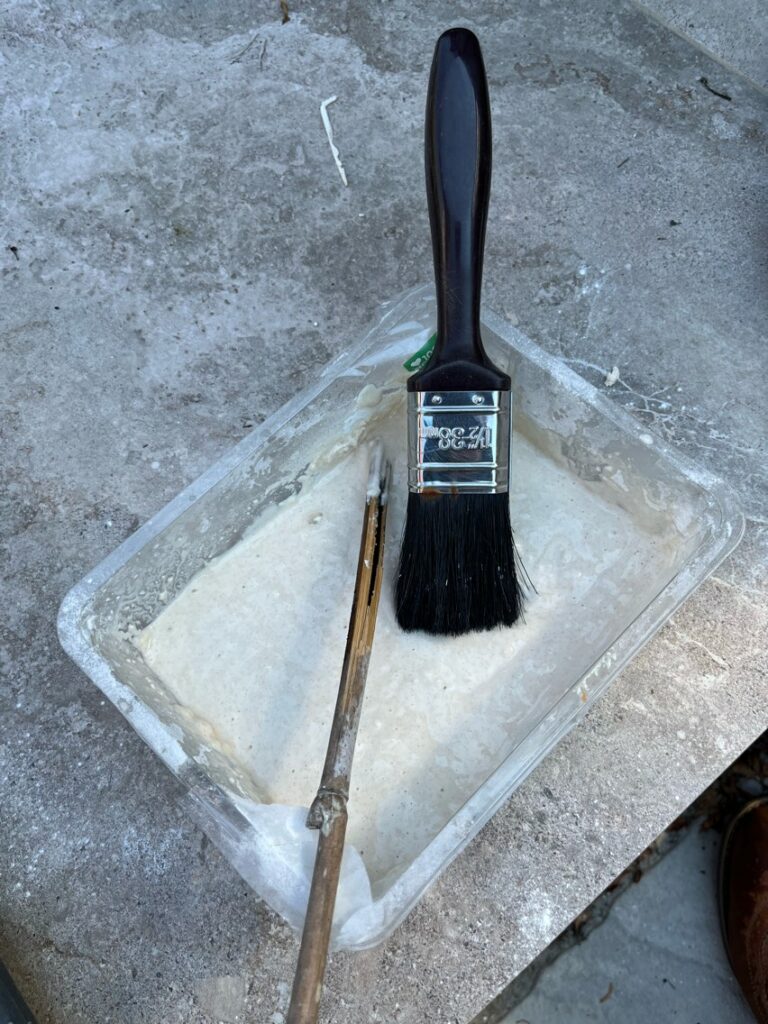
Why Use a Thickened Weed Killer Solution?
Traditional spraying methods can be problematic in mixed borders because fine spray drift may land on desirable plants nearby. By thickening the weed killer into a paste-like consistency, it becomes possible to paint or dab the solution directly onto the leaves of the target weed.
The thicker mixture:
- Reduces spray drift
- Improves adhesion to leaves
- Allows accurate application in dense planting
- Helps target difficult weeds growing amongst shrubs and climbers
- Reduces waste of herbicide
This method is especially useful for:
- Bindweed growing through roses and climbers
- Ground elder emerging amongst perennials
- Brambles growing through hedges or established shrubs
Materials Required
Glyphosate-Based Weed Killer
Use a concentrated glyphosate product suitable for difficult perennial weeds. The more concentrated formulations are generally more effective on established bindweed, brambles and ground elder than weaker ready-to-use spray bottles.
Thickening Agent
Suitable thickening agents include:
- Wallpaper paste
- Plain flour
- Cornflour
The aim is to create a mixture with the consistency of thick cream or pancake batter.
Application Tools
Useful tools include:
- Small paintbrushes
- Sponges
- Foam brushes
- Weed wands or weedsticks
- Disposable containers for mixing
Application Method
1. Prepare the Area
Where possible, gently separate the weed foliage from surrounding plants before treatment. This is particularly important with bindweed, which often wraps tightly around shrubs and stems.
For brambles, cut back excessive growth first so that fresh young leaves can be treated directly.
With ground elder, allow fresh foliage to develop before treatment, as actively growing leaves absorb glyphosate more effectively.
2. Mix the Solution
Prepare the glyphosate weed killer according to the manufacturer’s instructions for difficult perennial weeds.
Gradually add the flour or wallpaper paste while stirring continuously until the solution thickens to a creamy consistency.
Avoid making the mixture too thick, as it still needs to coat the leaves evenly.
3. Apply Directly to the Foliage
Using a brush or sponge, carefully coat the leaves of the target weed.
For Bindweed
Paint the leaves and soft stems thoroughly, particularly where the plant is actively climbing.
For Brambles
Apply to fresh leafy regrowth after cutting back larger canes. Young soft growth absorbs treatment more effectively than old woody stems.
For Ground Elder
Brush the mixture across as much leaf surface as possible. Repeated treatment may be necessary because underground rhizomes can remain active.
Avoid contact with desirable plants, especially green stems and foliage, as glyphosate is absorbed through actively growing green tissue.
Monitoring and Repeat Treatment
These weeds are persistent and may require several applications over a growing season.
Typical signs of successful treatment include:
- Yellowing leaves
- Wilting growth
- Progressive dieback
Repeat treatment should be carried out on any regrowth before the weeds become re-established.
For severe ground elder infestations, combining this method with temporary smothering using landscape fabric or cardboard mulch can improve long-term control.
Additional Tips
- Apply during dry weather for best absorption
- Avoid treatment immediately before rain
- Treat weeds while actively growing
- Late spring and summer are often the most effective treatment periods
- Avoid disturbing treated roots immediately after application, allowing time for glyphosate to move into the root system
Safety Precautions
Always follow the manufacturer’s safety instructions when handling herbicides.
Recommended precautions include:
- Wearing gloves
- Long sleeves and trousers
- Eye protection
- Washing hands thoroughly after use
Avoid application during windy weather to minimise accidental contact with nearby plants
Bindweed, brambles and ground elder are among the most troublesome weeds encountered in established gardens. Using a targeted thickened glyphosate solution provides a practical method of controlling these weeds without extensive digging or damaging nearby ornamental plants.
By carefully applying the treatment directly onto the unwanted foliage and repeating applications as necessary, gardeners can gradually weaken and eliminate even persistent perennial weeds while preserving the surrounding planting scheme.