Growing a Nectarine Tree: Fan Training, Pruning & Fruiting Tips
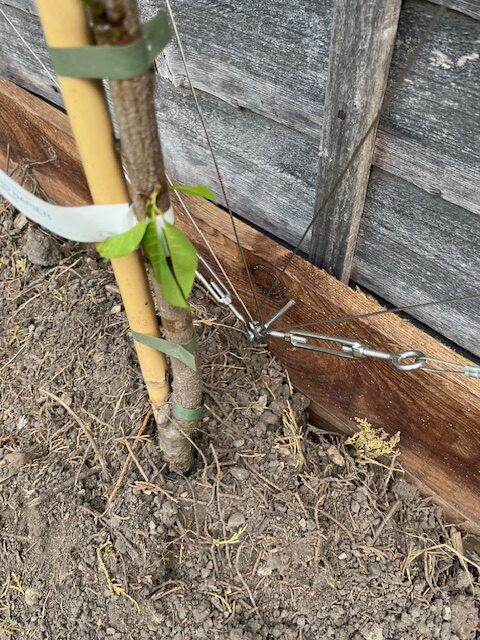
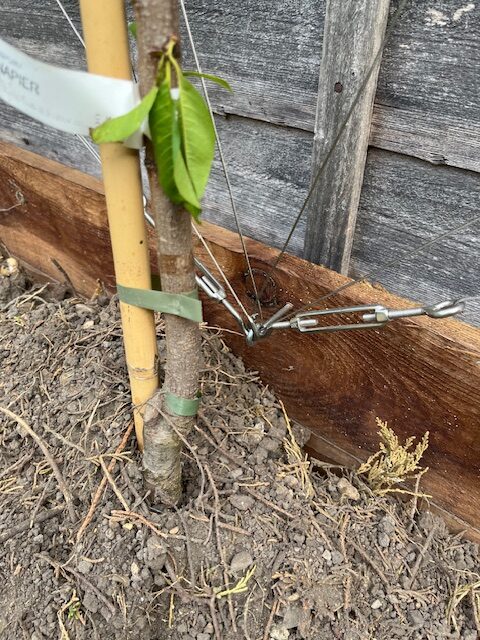
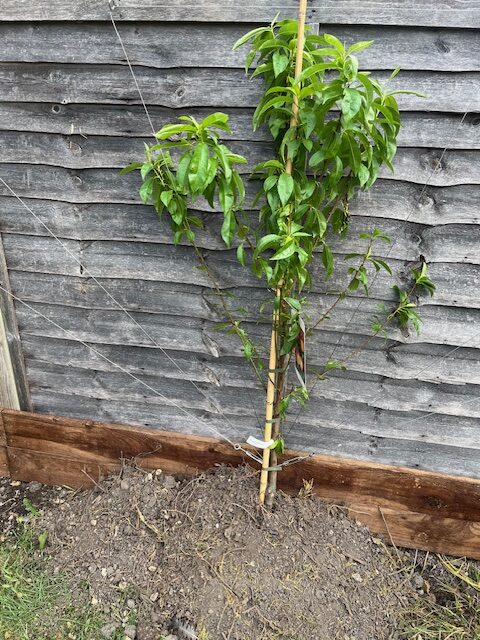
Nectarine trees can be a rewarding addition to any garden, offering sweet, juicy fruit and attractive spring blossom. For UK gardens, training a nectarine tree as a fan against a south- or west-facing wall or fence not only saves space but provides the warmth these sun-loving fruits need to thrive. Here’s how to grow, train, and prune your nectarine tree for a productive harvest.
Why Train Nectarines as a Fan?
Fan training is an ideal method for nectarines in cooler climates. It offers several benefits:
- Maximises sun exposure, helping fruits to ripen and reducing fungal diseases.
- Saves space, perfect for smaller gardens or narrow borders.
- Improves air circulation, reducing the risk of peach leaf curl and other diseases.
Choosing and Planting Your Tree
- Choose a self-fertile variety like ‘Lord Napier’ or ‘Fantasia’.
- Opt for a one-year-old maiden whip tree for training ease.
- Plant between late autumn and early spring, ideally against a warm wall or sturdy fence.
- Use well-drained, fertile soil with added compost or well-rotted manure.
- Plant the tree 15–20 cm (6–8 inches) from the wall, angled slightly forward to encourage fan shaping.
How to Fan Train Your Nectarine Tree
Year 1 – Initial Framework
- In early spring, after planting, cut the maiden whip back to about 45 cm (18 inches) above the ground, just above a healthy bud.
- Allow 3–5 strong shoots to grow. Select the best two to train diagonally as the first fan arms.
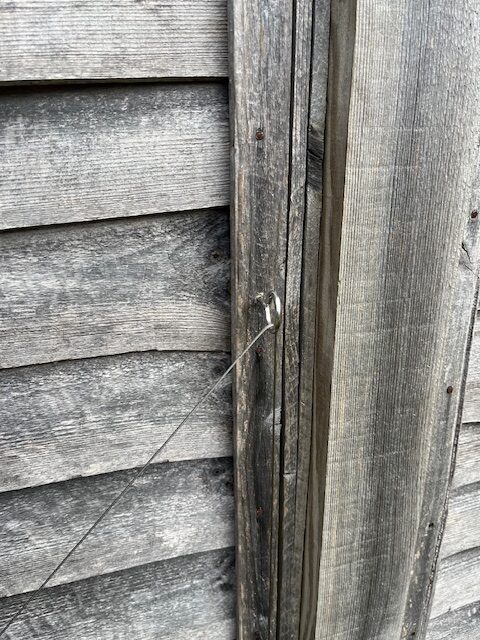
- Tie the selected shoots to horizontal wires or bamboo canes at 45° angles.
- Remove any competing shoots or growth heading backward or forward.
Year 2 – Developing the Fan Shape
- In winter, shorten the leading shoots by one-third to encourage branching.
- Tie new lateral shoots horizontally to the wires to form the next layer of the fan.
- Continue to remove inward- or outward-growing shoots to maintain a flat, fan-shaped form.
Year 3 Onwards – Maintenance Training
- Build up layers of framework by training further side-shoots as needed.
- Maintain the spacing between main arms (about 20–30 cm apart) to prevent overcrowding.
- Replace any damaged or unproductive arms with new, well-placed shoots.
Pruning a Fan-Trained Nectarine
Nectarines fruit on one-year-old wood – that is, shoots that grew during the previous season. So your pruning should:
- Encourage plenty of new growth each year.
- Preserve some of last year’s shoots to carry this year’s fruit.
Summer Pruning (July–August)
- Shorten new growth not needed for the fan’s structure to 3–4 leaves to promote fruiting buds.
- Remove any congested or crossing shoots to allow air and light through the structure.
Winter Pruning (January–February)
- Cut back fruited shoots to a strong new shoot or bud that will replace it.
- Keep a balance of fruiting wood and new framework growth.
Protecting from Peach Leaf Curl
Peach leaf curl is a common problem for nectarines. Protect the tree by:
- Covering with a clear plastic shelter (like a cloche or temporary frame) from late January to May to prevent rain-borne spores reaching buds.
- Remove and destroy any infected leaves as they appear.
Feeding and Watering
- Feed in early spring with a general fertiliser (e.g. Growmore or blood, fish & bone).
- Apply a high-potash liquid feed (like tomato feed) every 2 weeks from flowering to fruit swell.
- Water regularly, especially during dry spells and fruit development.
Harvesting and Fruiting Wood
- Fruit develops on one-year-old wood, so avoid removing all new shoots during summer pruning.
- Pick fruit when it is fully coloured and slightly soft to the touch – usually late July to August.
- Thin heavy crops in early summer to allow the remaining fruit to grow to full size and reduce strain on branches.
Summary
Fan-training a nectarine tree takes a little planning, but the rewards are great: a beautiful wall-trained plant and a reliable crop of delicious fruit. The key is to:
- Train a flat, open fan shape.
- Understand that nectarines fruit on last year’s growth.
- Prune to keep a steady supply of one-year-old wood.
- Protect against disease and feed regularly.
Whether you’re a seasoned gardener or new to fruit growing, a fan-trained nectarine is a project well worth trying in a sunny garden corner.