
February Gardening Calendar 2026
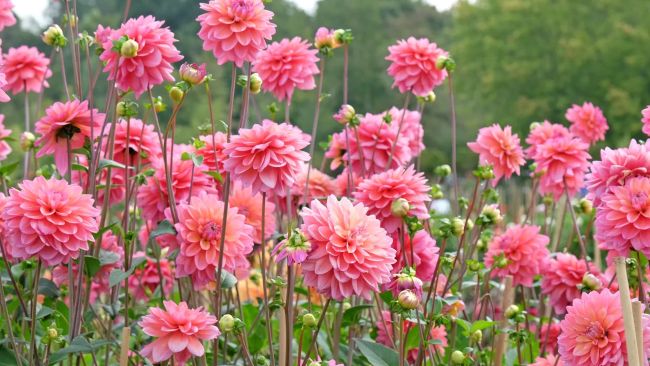
Dahlia as a cut flower
February is an exciting month in the garden – while winter still has its grip, there’s a real sense of anticipation as we prepare for the growing season ahead. This is the month for planning, preparing, and making those crucial early sowings that will give you a head start on spring.
Planning Your Cut Flower Garden
February is the perfect time to plan your cut flower garden for the coming season. Now is when you should be ordering seeds and dahlia tubers, and starting sweet peas in deep pots for early summer blooms. Even simple additions like cosmos, sunflowers, and zinnias can transform your garden into a cutting paradise from June onwards, providing armfuls of flowers for your home throughout the summer and autumn months.
For complete guidance on growing cut flowers, including what to plant when and how to propagate different varieties, see our comprehensive guide: Growing Cut Flowers In Your Garden
February’s Key Focus Areas
This month combines preparation with action. You’ll be feeding borders and beds to replenish nutrients after winter, starting early crops under cover, and if you haven’t already arranged professional help, pruning fruit trees before growth begins. It’s also time to start exciting crops like melons, cucumbers, and chillies indoors ready for the warmer months ahead.
Helpful Resources
Cut Flower Garden – February Tasks
- Start Sweet Peas: Sow sweet pea seeds in deep pots (late February) for early flowering. Choose scented varieties for the best vase performance and fragrance.
- Order Seeds & Tubers: February is the perfect time to order your cut flower seeds and dahlia tubers for spring planting. Consider: cosmos, zinnias, sunflowers, cornflowers, nigella, ammi majus, and rudbeckia seeds.
- Prepare Beds: Begin preparing dedicated cutting garden beds for spring planting – dig in plenty of compost and ensure good drainage. Most cut flowers need at least 6 hours of direct sun.
- Plan Your Cutting Garden: Decide which cut flowers you’d like to grow this year. For easiest results, start with annuals like cosmos, zinnias, and sunflowers.
- Coming in March: You’ll be sowing cosmos, zinnias, and snapdragons indoors, planting anemone corms, and preparing for dahlia planting in late April/May.
Soil Preparation and Feeding
- Apply a general feed now to all garden borders, including the lavender, using Growmore fertiliser at about a handful per square metre.
- Top-dress the raised vegetable beds with Growmore fertiliser (about a handful per square metre).
- Apply either 6X or Westland chicken pellets (roughly a handful per square metre) to the raised beds now to replenish nutrients. It is recommended to lightly fork them into the beds to prevent the dog from eating them.
- Feed the wisteria now using liquid tomato feed, which will aid in flower formation.
- Continue preparing and feeding the soil ready for spring growth.
Pruning and Maintenance
- Prune the apple and other fruit trees this month (if professional service is not used). This should include feeding them and applying a winter wash. For advice on pruning, see: How to prune an apple tree.
- Check for signs of Vine Weevil, particularly in container plants, as preventative measures are important at this time of year.
Sowing and Propagating (Indoor/Under Cover)
- Start melons, cucumbers, and other greenhouse crops indoors on a windowsill using Coco Coir compost.
- Start a few chillies indoors now.
- Sow early-season crops like lettuce, peas, radish, and carrots in the friable soil bed (the former potato field), ideally under cloches, once the weather improves.
- Ensure planting of garlic is complete.
- Sow the first pea crop under plastic or in the glasshouse.
- Carry out early sowings (under cover) of broad beans and onions.
Outstanding Tasks List
- Vegetable Garden Planning
- Finalise crop choices and seed orders for the coming season.
- Plan crop rotations and bed layouts for the vegetable garden.
- Consider buying young bell pepper plants later in the season.
- Pest and Disease Management
- Review information on Vine Weevil identification and control to determine the necessary treatment. For more details, see: Vine Weevil damage identification, causes, and control.