
Growing Grapes in the UK: Embrace the New Era of Outdoor Cultivation
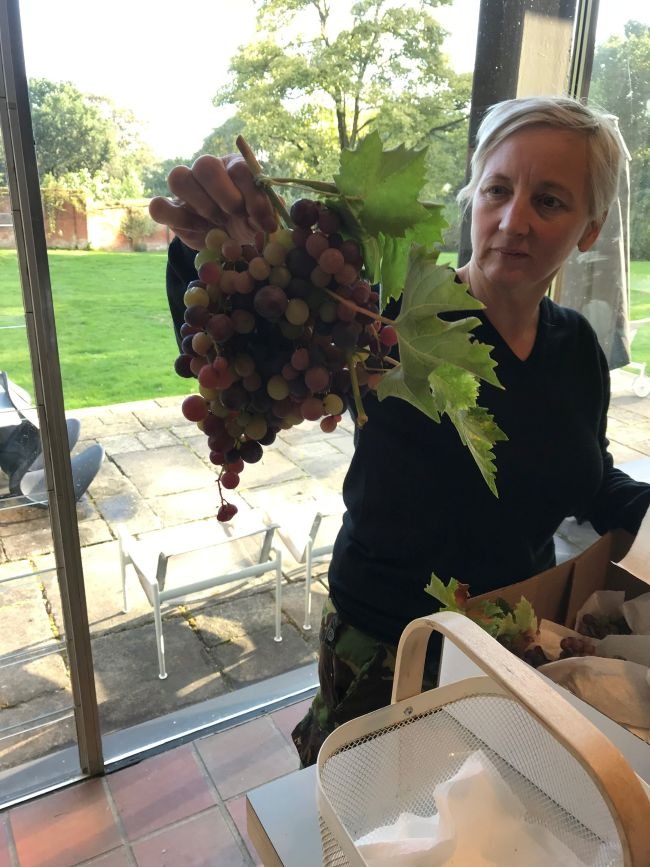
Growing Grapes in the UK – Easier Than Ever with a Changing Climate
For many years, grape growing in the UK was largely confined to greenhouses and conservatories. However, with warmer summers and milder growing conditions, grapes are now becoming an excellent choice for outdoor cultivation in many parts of the country.
Whether you have a sunny wall, fence, pergola, or archway, a grape vine can provide attractive foliage, useful shade, and delicious fruit for many years.
Suitable Varieties for UK Gardens
When selecting grape varieties to plant, it’s essential to choose those best suited for the UK climate. Some recommended varieties include:
- ‘Phoenix’: A hardy, disease-resistant variety that produces sweet, juicy grapes suitable for eating and wine-making.
- ‘Chasselas’: A classic table grape known for its flavorful, musky notes and adaptability to cooler climates.
- ‘Muller-Thurgau’: This variety thrives in cooler regions and produces aromatic white wine grapes.
- ‘Riesling’: A popular variety for white wine, it enjoys a sunny spot and well-drained soil.
- ‘Isabella’: Excellent for making jams and jellies, this grape is also known for its resilience and unique flavor.
Preparing the Soil
The secret to growing a successful grape vine starts before planting.
Grapes thrive in fertile, free-draining soil that is rich in organic matter. Before planting, improve the soil with plenty of:
- Well-rotted leaf mould
- Well-rotted horse manure
- Spent mushroom compost
- Chicken manure pellets or poultry manure
This combination provides the vine with the nutrients and soil structure it needs to establish quickly and develop a strong root system.
Feeding Your Grape Vine
Once established, grape vines benefit from regular feeding during the growing season.
A high-potash feed such as liquid tomato fertiliser is ideal, helping to encourage flowering, fruit production, and strong ripening of the grapes.
In the first few years, a healthy vine will often produce a large amount of green growth. This vigorous growth is valuable and should generally be encouraged rather than heavily pruned during the early stages.
Creating the Framework
One of the most important aspects of grape growing is training the vine correctly.
The aim is to develop a permanent framework of stems, ideally trained horizontally along wires, fences, or supports. Horizontal training encourages the production of fruiting buds and makes the vine easier to manage and harvest.
The strong shoots produced during the first few years can be used to create this framework.
Once the leaves have fallen in autumn or winter, the stems can be pruned and tied into position.
Understanding Fruiting Buds
Grapes are produced on young shoots that emerge from older wood.
The most productive fruiting buds are typically formed on stems that are around two to three years old. These fruiting spurs can remain productive for many years, often up to ten years or more, making it worthwhile spending time developing a well-structured framework from the beginning.
Good training and pruning will reward you with better crops, healthier vines, and easier management for years to come.
Pests and Diseases
Fortunately, grape vines are generally quite trouble-free in the UK.
However, there are a few things to watch out for:
- Vine Weevil: If growing grapes in containers or in highly cultivated soils rich in compost, vine weevil can occasionally become a problem. The larvae feed on roots and can weaken or even kill young plants.
- Aphids and Other Insects: Minor infestations of aphids and other sap-feeding insects are usually not a major issue. One of the simplest ways to reduce pest problems is to apply an organic winter wash during the dormant season.
Products such as Vitax Organic Winter Wash help clean the stems and reduce overwintering pests and eggs before growth begins again in spring.
Growing Grapes on Pergolas
One of the most attractive ways to grow grapes is over a pergola.
The large leaves create welcome shade during the summer months, making pergolas more comfortable places to sit and relax. As the bunches of grapes hang down beneath the foliage, they are often easier to harvest and benefit from increased airflow and sunlight.
Many gardeners also find that grapes grown over pergolas develop particularly sweet fruit as the bunches are exposed to more warmth and light during ripening.
Final Thoughts
With the UK’s changing climate, grape vines are becoming one of the most rewarding fruit crops for home gardeners. Given a sunny position, fertile soil rich in organic matter, and a little attention to training and pruning, a grape vine can provide attractive foliage, summer shade, and abundant harvests for many years.
If you have a spare wall, fence, or pergola, now could be the perfect time to plant a grape vine and start creating your own miniature vineyard at home.