Cut Flower border
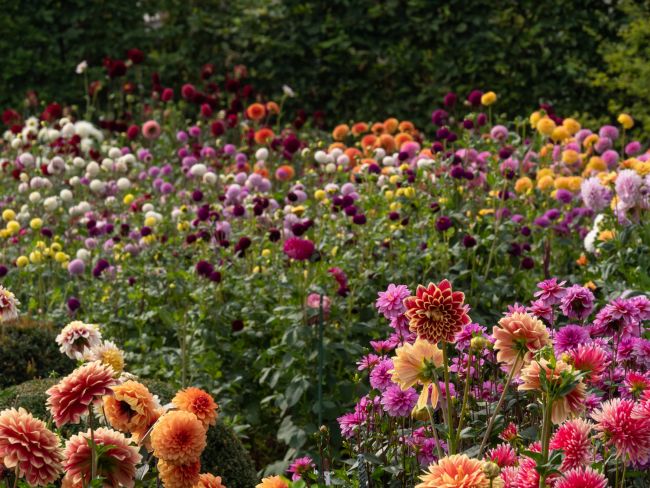
Creating a beautiful and productive cut flower border in a UK garden offers the joy of fresh blooms for indoor arrangements, adds vibrant colours to your landscape, and provides valuable resources for pollinators. Here’s how to plan and establish a thriving cut flower border, highlighting some ideal perennial plants and varieties easily grown from seed.
Designing Your Cut Flower Border
1. Location: Choose a sunny spot in your garden—ideally one that gets at least six hours of sunlight per day. Good drainage is essential to avoid waterlogging, which many flowers dislike.
2. Border Layout: A simple flower bed as a rectangular or gently curved border is practical and easy to maintain. Consider placing taller plants at the back, mid-sized plants in the middle, and shorter, lower-growing flowers at the front.
3. Soil Preparation: Enrich the soil with compost or well-rotted manure to enhance nutrients and ensure robust plant growth. Regular mulching will help retain moisture and suppress weeds.
Perennial Plants for a Cut Flower Border:
Perennials are reliable performers year after year. Some excellent perennial choices for UK gardens include:
- Echinacea purpurea (Purple Coneflower): Tall stems with daisy-like blooms; attracts bees and butterflies.
- Delphinium: Striking flower spikes, perfect for adding height and drama.
- Alchemilla mollis (Lady’s Mantle): Soft green foliage with delicate, airy yellow blooms.
- Astrantia (Masterwort): Elegant, pincushion-like flowers available in shades from white to deep pink.
- Verbena bonariensis: Slender, tall plants topped with purple flowers that bloom continuously through summer.
- Peony: Large, luxurious blooms that provide stunning cut flowers with delightful fragrances.
- Phlox paniculata: Bright clusters of flowers in various shades, adding colour from midsummer to autumn.
- Penstemon: Colourful tubular flowers that attract pollinators and bloom reliably.
- Campanula: Bell-shaped flowers in shades of blue, white, and purple, ideal for cottage gardens.
- Rudbeckia: Cheerful, bright yellow or orange daisy-like flowers, long-lasting in arrangements.
- Iris: Elegant, architectural flowers available in various colours, great for dramatic displays.
- Dahlias: Stunning flowers in numerous shapes, colours, and sizes; ideal for creating striking arrangements.
Plants Grown Easily from Seed:
Annual flowers offer flexibility and endless variety. They’re cost-effective and allow you to experiment yearly. Here are some reliable and beautiful annuals:
- Cosmos bipinnatus: Feathery foliage with abundant blooms in pink, white, and burgundy.
- Nigella damascena (Love-in-a-Mist): Delicate flowers surrounded by feathery bracts; beautiful in arrangements.
- Zinnia elegans: Colourful, cheerful blooms in shades of red, pink, orange, and white.
- Sweet Peas (Lathyrus odoratus): Fragrant climbers perfect for trellises or wigwams within the border.
- Calendula officinalis (Pot Marigold): Vibrant orange and yellow flowers that bloom prolifically and are edible.
- Ammi majus (Bishop’s Flower): Provides delicate white, lace-like flowers, perfect as fillers in bouquets.
- Cornflowers (Centaurea cyanus): Hardy annuals producing attractive blue blooms, beloved by bees.
Maintenance Tips:
- Regular Watering: Especially during dry spells, water your flower border deeply.
- Deadheading: Remove faded blooms to prolong flowering and encourage new blooms.
- Support Plants: Taller varieties like delphiniums, cosmos, and dahlias may need staking or netting.
- Succession Sowing: Sow seeds at intervals to extend the cutting season.
Creating a cut flower border is a rewarding gardening project that enhances your outdoor space while supplying continuous beauty and fresh flowers for your home. Enjoy the process and experiment each year with new varieties and combinations!