Growing Asparagus
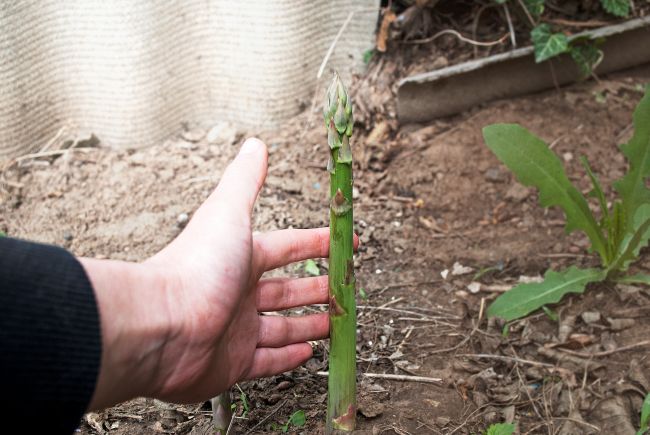
How to Set Up an Asparagus Bed: From Seedlings or Bare Roots
Asparagus (Asparagus officinalis) is one of the few perennial vegetables that, once established, can provide delicious spears for 20 years or more. Though it takes a little time and preparation to get started, setting up a productive asparagus bed is a rewarding investment. Whether you’re planting bare-root crowns or starting from seed, giving your asparagus the right environment—one that mimics its natural maritime roots—can make all the difference.
Understanding Asparagus: A Maritime Plant
Before diving into the how-to, it’s useful to understand where asparagus comes from. Originally native to coastal regions in Europe and Asia, asparagus is a maritime plant, meaning it’s adapted to thrive in sandy, well-drained soils and can tolerate a bit of salt. Mimicking these conditions at home gives your plants a head start.
Why Add Salt and Sand?
- Salt: Asparagus evolved in salty environments, and a small amount of salt in the soil can actually benefit the plant. It also helps suppress weeds that aren’t salt-tolerant.
- Sand: Light, sandy soils provide excellent drainage and encourage deep root development, essential for long-term asparagus health and productivity.
Now, let’s get to planting.
Option 1: Planting Bare Root Crowns
The most common and reliable method for home growers is using bare-root crowns—one-year-old plants that have already been started for you.
When to Plant
- Early spring, as soon as the soil can be worked.
Step-by-Step:
- Choose Your Site
Pick a sunny, well-drained spot. Asparagus hates waterlogged soil. Raised beds or slightly mounded rows work well. - Prepare the Soil
- Dig down 12–18 inches and remove weeds.
- Mix in well-rotted manure or compost.
- Add soft sand (builder’s sand or horticultural sand) at a 1:3 ratio with soil to improve drainage.
- Sprinkle a light amount of salt (around 1/2 cup per square metre) and mix it in.
- Dig down 12–18 inches and remove weeds.
- Create Trenches
- Dig trenches about 6 inches deep and 12–18 inches wide.
- Space trenches 18–24 inches apart.
- Dig trenches about 6 inches deep and 12–18 inches wide.
- Plant the Crowns
- Make small mounds of soil in the trench and spread the roots over them.
- Space crowns 12–18 inches apart.
- Cover with 2 inches of soil initially. As shoots emerge, gradually fill in the trench over the season.
- Make small mounds of soil in the trench and spread the roots over them.
- Water and Mulch
Keep the bed moist but not soggy. Mulch helps retain moisture and suppress weeds. - Patience Pays Off
Do not harvest in the first year. Let the plants grow into ferns and build strong roots.
Option 2: Growing Asparagus from Seed
Growing from seed takes an extra year but is more economical and offers a wider range of varieties, including some all-male types (which are more productive).
When to Start
- Indoors: Late winter to early spring.
- Outdoors: Late spring, once soil warms up.
Step-by-Step:
- Start Seeds Indoors (recommended)
- Soak seeds overnight.
- Sow in modules or small pots with seed compost.
- Keep warm (20–25°C) and moist. Germination can take 2–4 weeks.
- Soak seeds overnight.
- Transplanting
- When seedlings are a few inches tall and have several true leaves, transplant them into a nursery bed or large containers for the first growing season.
- When seedlings are a few inches tall and have several true leaves, transplant them into a nursery bed or large containers for the first growing season.
- Planting Out
- The following spring, plant young crowns in your permanent asparagus bed following the same method as for bare roots.
- The following spring, plant young crowns in your permanent asparagus bed following the same method as for bare roots.
Maintenance and Tips
- Salt Application: Reapply a light sprinkle of salt in spring. Don’t overdo it—too much can harm nearby plants.
- Weed Control: Keep the bed weed-free, especially in early years.
- Feeding: Top-dress annually with compost and a balanced organic fertilizer.
- Cut Back: In autumn, after the ferns have yellowed, cut them back to ground level.
Harvesting
- Year 1: No harvest—let the plant establish.
- Year 2: Light harvest (2 weeks only).
- Year 3 onward: Full harvest—cut spears for 6–8 weeks in spring when they’re 6–8 inches tall.
Final Thoughts
By understanding asparagus’s coastal heritage and recreating those conditions—light soil, a hint of salt, and good drainage—you give your plants the best chance at thriving. Whether you opt for crowns or seeds, a little planning now means decades of fresh, homegrown asparagus down the line.