The box caterpillar box hedging
Box Caterpillar (Box Tree Moth) – Identification, Prevention and Control
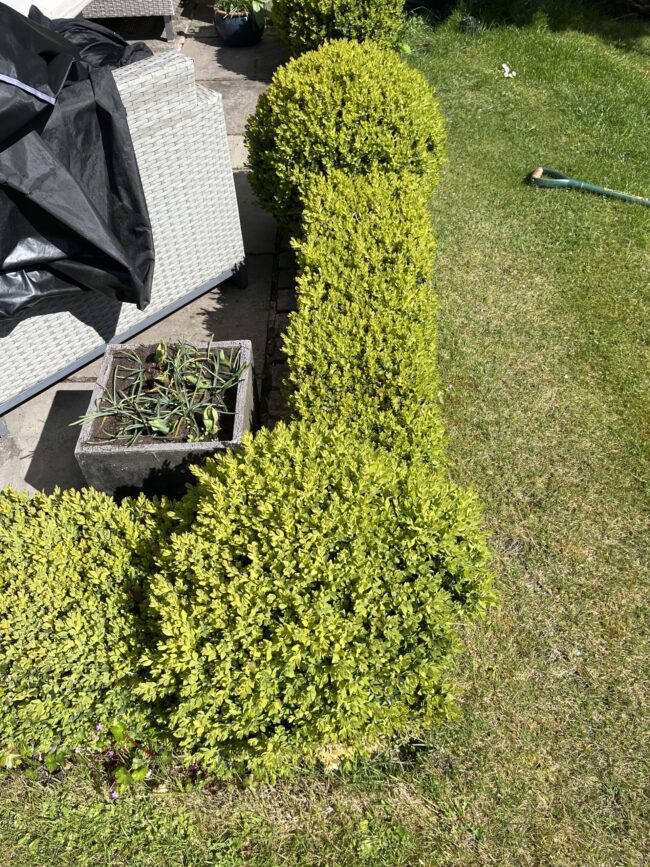
Box (Buxus) hedging and topiary are a classic feature in many UK gardens, but in recent years they’ve come under increasing attack from the box caterpillar (the larvae of the box tree moth). If left untreated, infestations can strip plants very quickly, so early identification and a consistent care plan are key.
How to Spot Box Caterpillar


6
There are a few clear signs to look out for:
- Chewed leaves – often starting from the inside of the plant and working outwards
- Webbing – fine silk threads binding leaves together
- Green caterpillars with black stripes – usually well camouflaged within the plant
- Black droppings – small pellets visible on leaves and around the base
- Rapid defoliation – plants can go from healthy to severely stripped in a short period
Regular inspection is essential, particularly from spring through to early autumn when multiple generations can occur.
Conditions Box Caterpillar Likes
Box caterpillars thrive in:
- Dense, sheltered planting – tight hedging provides ideal protection
- Warm conditions – activity increases in late spring and summer
- Dry, stressed plants – weakened plants are more vulnerable to attack
- Neglected interiors of hedges – where airflow is limited and pests go unnoticed
Keeping plants open, well-trimmed, and regularly checked makes a big difference.
Strengthening Plants – The Role of Feeding
A healthy plant is far more resilient to pest damage. One of the simplest and most effective ways to support box plants is through regular feeding.
We recommend:
- Liquid tomato food (high potash feed) applied every 2–4 weeks during the growing season
- Apply using a watering can or ideally a hose-end feeder for even coverage
High potash feeds:
- Encourage strong, dense growth
- Improve leaf strength and recovery
- Help plants better withstand and recover from caterpillar damage
While feeding won’t prevent caterpillars entirely, it significantly improves the plant’s ability to cope and regrow after attack.
Control Methods
An integrated approach works best. Combine monitoring, feeding, and direct control methods:
1. Manual Removal
- Check plants regularly and pick off caterpillars by hand
- Prune out heavily infested areas
- Dispose of waste carefully (do not compost if heavily infested)
2. Biological Control
- Use a biological spray containing Bacillus thuringiensis (Bt)
- This specifically targets caterpillars without harming beneficial insects
- Apply when caterpillars are small for best results
3. Chemical Control
- Suitable insecticides can be used if infestations are severe
- Ensure products are approved for use on ornamental plants and follow instructions carefully
4. Pheromone Traps
- Used to monitor adult moth activity
- Helps identify when eggs are likely to be laid
- Best used as an early warning system rather than a control on their own
5. Regular Clipping and Inspection
- Light trimming helps expose hidden caterpillars
- Improves airflow and reduces ideal conditions for infestation
Ongoing Management
Box caterpillar is now an ongoing garden issue rather than a one-off problem. The key is:
- Regular inspection (weekly in peak season)
- Consistent feeding with a high potash fertiliser
- Early intervention at the first signs of damage
With this approach, even affected box hedging can be maintained successfully and continue to form part of a structured garden design.
Summary
Box caterpillar can cause significant damage, but with early detection, good plant health, and a combination of control methods, it can be managed effectively. Feeding with a high potash fertiliser such as liquid tomato food plays an important supporting role, helping plants stay strong and recover quickly from attack.