
Garden Screening: Creating Privacy Without Closing the Garden In
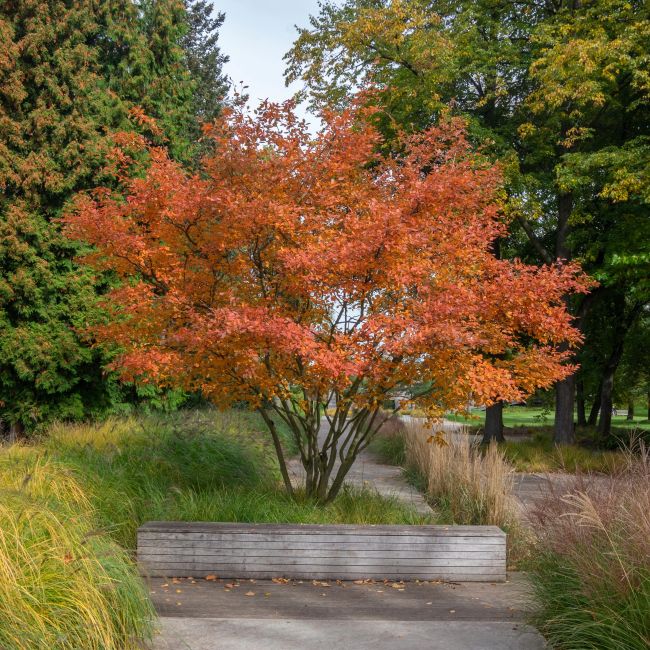
Amelanchier multi stem great for screening
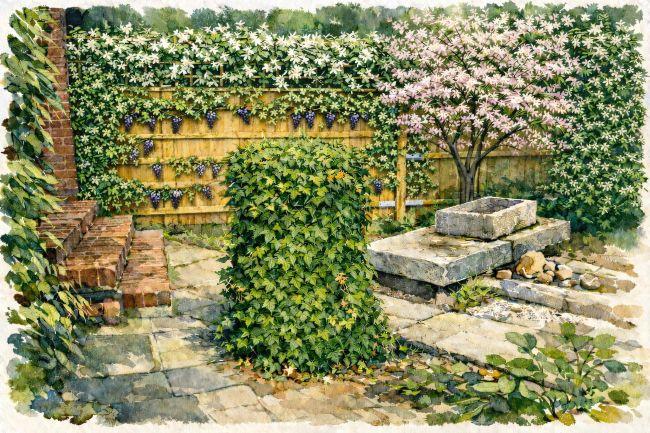
Screening trellis and clematis armandii on an existing fence
Creating screening from neighbouring properties is one of the most common requests in garden design. However, effective screening is not simply about blocking everything out. In fact, making a screen too dense can reduce light, depth and texture — and ultimately make your garden feel smaller.
The key is to interrupt views rather than completely block them.
Avoid the “Green Wall” Effect
A solid conifer hedge will certainly provide privacy, but it often creates a heavy, flat backdrop. While effective at blocking sightlines, it removes depth and layered texture from the garden.
This can:
- Reduce light levels
- Make borders feel narrower
- Visually shorten the garden
- Create a static, flat background
Instead of a solid green wall, it’s often better to take a lighter-touch approach.
The “Net Curtain” Approach to Screening
Think of screening like a net curtain rather than blackout blinds. The aim is to soften and interrupt views, not eliminate all depth.
One effective technique is to add trellis panels on top of the existing fence (fixed securely to extended posts or treated timber supports). This increases height without making the structure feel heavy. Trellis allows light through while giving plants something to climb.
Into this structure, we often plant:
- Clematis armandii
An evergreen clematis providing year-round foliage and excellent spring flowers (typically May through to early July). It quickly knits into trellis and gives colour as well as privacy.
On the lower section of fence, adding evergreen climbers increases density without solid mass.
A favourite is:
- Trachelospermum jasminoides (evergreen jasmine)
Glossy foliage, scented summer flowers, and reliable year-round coverage.
Together, these two climbers will usually cover a fence fully within a couple of growing seasons.
Using Deciduous Trees for Soft Screening
Rather than dense hedging, deciduous trees with fine twiggy growth create filtered privacy.
Excellent options include:
- Prunus × subhirtella ‘Autumnalis Rosea’
A beautifully branched tree with dense twiggy growth. It flowers intermittently from late autumn into early spring and provides soft but effective screening through its framework. - Amelanchier lamarckii
Often grown multi-stemmed, it is fast-growing and produces dense seasonal growth. Although deciduous, its branching structure creates that desirable “net curtain” effect — interrupting views while maintaining light and depth. It also offers spring blossom, summer foliage, and strong autumn colour.
Why Layering Works
The most effective screening is layered:
- Structural base (existing fence)
- Trellis for height and lightness
- Evergreen climbers for year-round coverage
- Deciduous trees for soft seasonal filtering
This approach:
- Maintains visual depth
- Preserves light
- Adds seasonal interest
- Prevents the garden feeling enclosed
Good screening is about balance. Rather than blocking next door completely, soften the view, layer the planting, and allow your garden to retain its sense of space.