
May Gardening Tasks and Garden Restoration Plan for Sonia and Ben’s Garden
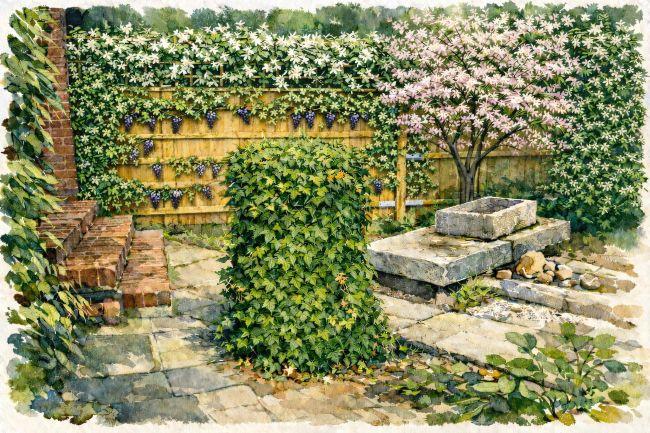
May is one of the most rewarding months in the garden. Growth is moving quickly, the soil is warming up, and most plants are beginning to respond strongly to feeding, tying-in, planting and weed control. It is an ideal time to push the garden forward, restore overgrown areas and start building colour and structure for summer and autumn.
For Sonia and Ben’s garden, the focus this month is on improving borders, encouraging healthier growth, suppressing weeds and gradually rebuilding colour throughout the garden while keeping the character of the existing planting. Fruit and vegetable growing has intentionally been left out of this plan so attention can remain on the ornamental areas and overall garden framework.
Feeding and Encouraging Healthy Growth
Hebe Recovery
The hebe on the right-hand side should not be pruned yet. Instead, the priority is to rebuild strength using a high-nitrogen liquid feed applied around the root area.
This will help stimulate leafy green growth and allow the plant to regain vigour before any shaping or trimming later in the season.
General Flowering Plant Feeding
Most ornamental flowering plants will benefit from regular feeding every four to six weeks from now through to October using a liquid tomato fertiliser.
Tomato feed is high in potash, which encourages flower production and stronger stems rather than excessive soft leafy growth. This is especially useful for climbers, perennials, dahlias, containers and summer bedding.
Wisteria Feeding
If there is wisteria in the garden, May is an ideal month to support flowering with a high-potash feed such as tomato fertiliser.
Watering After Renovation Work
Any newly planted or heavily worked areas should be watered thoroughly, especially during dry spells.
Plants establishing new roots or recovering from stress will respond much better if moisture levels remain steady during late spring.
Weed Suppression and Soil Improvement
One of the key themes for this garden is gradual restoration rather than complete redesign. Weed suppression and mulching play an important role in that process.
Using Black Sheeting and Mulch
After clearing borders, selected areas can be covered with black plastic sheeting held down with bricks, pegs or other weights.
This helps suppress weeds very effectively during May, when growth rates increase rapidly. Once areas are cleared, cardboard can also be laid directly onto the soil and topped with mulch.
This gradual smothering approach improves soil fertility over time while dramatically reducing maintenance.
Controlling Invasive Weeds
Invasive weeds such as polygonum and ivy should be controlled selectively rather than by broad spraying.
Targeted treatment protects useful existing plants already present in the borders, including snowdrops, daylilies and other structural planting.
Ivy growing on the fence should ideally be treated first and then left to die back before removal. This reduces the risk of damaging what appears to be a good-quality existing timber fence that is worth retaining.
Rebuilding Colour and Vertical Interest
The garden already has a good framework, but May is the right time to begin restoring seasonal colour and adding height through climbers and late-flowering plants.
Climbers for Fences and Arches
Fences and arches can be softened and brought back to life with climbers such as climbing roses, Clematis ‘Jackmanii’ and sweet peas.
Vertical planting is especially valuable in smaller or enclosed spaces because it creates height and colour without taking up large amounts of ground space.
Foxgloves for Height
Foxgloves can be positioned closer to fence lines where they will help rebuild height and structure within the side borders.
Their tall flower spikes will also help blend ornamental planting into the vertical fence structure more naturally.
Late Summer Colour
To keep the garden looking attractive later into the year, it would be worthwhile introducing plants such as dahlias, rudbeckia, asters and white chrysanthemums.
Planting them now gives them time to establish before midsummer and helps extend the season well beyond the spring flush.
Annual Flowers and Seedlings
May is one of the best months for sowing annual flowers outdoors once the risk of frost has largely passed.
Good choices include:
- Cosmos
- Marigolds
- Nasturtiums
- Sunflowers
- Sweet alyssum
These plants will quickly provide summer colour and help fill spaces while shrubs and climbers establish and recover.
If seedlings are already growing in trays or pots, they should be pricked out into individual pots before they become overcrowded. Holding seedlings gently by their leaves rather than stems helps avoid damage during transplanting.
Caring for Tulips and Spring Bulbs
Tulip foliage should not be removed until it has completely yellowed and died back naturally.
Although the leaves can look untidy, they are still feeding the bulb and helping build strength for next year’s flowers. Feeding with liquid tomato fertiliser after flowering will also help improve bulb performance the following spring.
Monitoring Pests and Disease
May growth is soft and attractive to pests, so regular checks are worthwhile.
Fresh shoots on roses, climbers, hebe and ornamental planting should be inspected weekly for aphids, mildew, dieback or weak growth.
Slugs and snails can also become very active during damp evenings in May, particularly around newly planted annuals, dahlias and young perennials. Early protection can prevent major damage before plants establish properly.
Main Priorities for May
The main focus for Sonia and Ben’s garden this month should be:
- Feed flowering plants and climbers regularly
- Cover cleared borders with cardboard, mulch or black sheeting
- Control invasive weeds selectively
- Tie in climbers and developing shoots
- Sow annual flowers and manage seedlings
- Feed tulips and leave foliage to die back naturally
- Introduce climbers and late-summer colour planting