
A Gardener’s Guide to Using Nematodes for Natural Slug Control
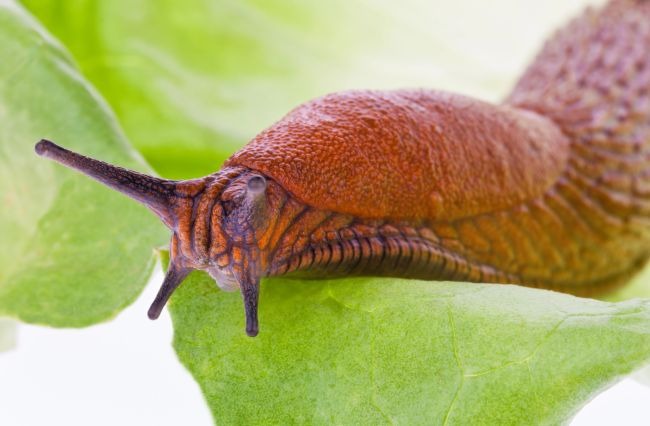
Harnessing Biological Warfare: How Nematodes Protect Your Garden
For many gardeners, the sight of decimated hostas or skeletonized lettuce leaves is a familiar tragedy. Slugs are arguably the most persistent pests in a damp garden, capable of destroying young seedlings overnight. While many turn to chemical pellets, these can pose risks to wildlife and pets. Enter Phasmarhabditis hermaphrodita—the microscopic hero of the organic gardening world. Commonly known as slug nematodes, these tiny organisms offer a sophisticated, biological solution to your slug problems.
What Exactly Are Nematodes?
Nematodes are microscopic, unsegmented worms that exist naturally in healthy soil. The specific variety used for slug control acts as a parasite to garden slugs. When applied to the soil, they actively hunt for their prey, entering the slug’s body and releasing bacteria that effectively end the infestation. Because they are a natural part of the ecosystem, they are safe for children, pets, and beneficial garden insects like bees and ladybugs.
Proper Storage: Keeping Your Nematodes Alive
Unlike chemical pesticides that can sit on a garage shelf for years, nematodes are living creatures. If you want them to be effective, proper handling is critical.
- Refrigeration is mandatory: Upon purchasing your packet of nematodes, place them immediately in the refrigerator. They are typically dormant in their packaging, and cool temperatures keep them in this state until you are ready to use them.
- Check the expiration: Always look at the shelf life on the packaging. Even in a fridge, they will eventually expire as their internal energy reserves run out.
- Avoid freezing: While they need to be cool, temperatures below freezing will kill them. Keep them in the main body of the fridge rather than the freezer compartment.
Creating the Ideal Environment for Success
Nematodes are not magical; they are living organisms that require specific environmental conditions to function. The most common reason for failure in nematode application is dry soil.
Because nematodes travel through the thin films of water surrounding soil particles, your soil must be reasonably wet for them to reach their target. If the soil is dry, the nematodes will desiccate and die before they ever find a slug.
Follow these steps for the best results:
- Water before application: Ensure the ground is thoroughly moist. If the soil is bone-dry, give it a heavy watering the day before you plan to apply the treatment.
- Apply during overcast or wet weather: Nematodes are sensitive to UV light. Applying them during the bright heat of a sunny day will kill them. Aim for an evening application or a cloudy, rainy day to ensure they reach the soil safely.
- Maintain consistent moisture: After application, keep the soil damp for at least two weeks. This creates a ‘highway’ for the nematodes to hunt effectively. If you live in a particularly dry area, you may need to water the area daily to keep the conditions optimal.
When Should You Apply Nematodes?
Timing is everything. Nematodes work best when soil temperatures are between 5°C and 20°C (41°F–68°F). This usually aligns with the peak activity periods of slugs in the spring and autumn. By applying them early in the season, you can reduce the slug population before they have a chance to reproduce, saving your garden from the worst of the summer damage.
A Final Note on Sustainability
Using nematodes is a proactive, rather than reactive, approach to gardening. By integrating them into your routine, you are not just killing pests; you are fostering a more balanced garden ecosystem. While they require a bit more attention than tossing down a handful of pellets, the reward is a thriving, healthy garden that remains safe for everyone who visits it. With a little bit of moisture and proper timing, your microscopic helpers will get to work, giving your plants the protection they deserve.