
George – October 2026 gardening tasks
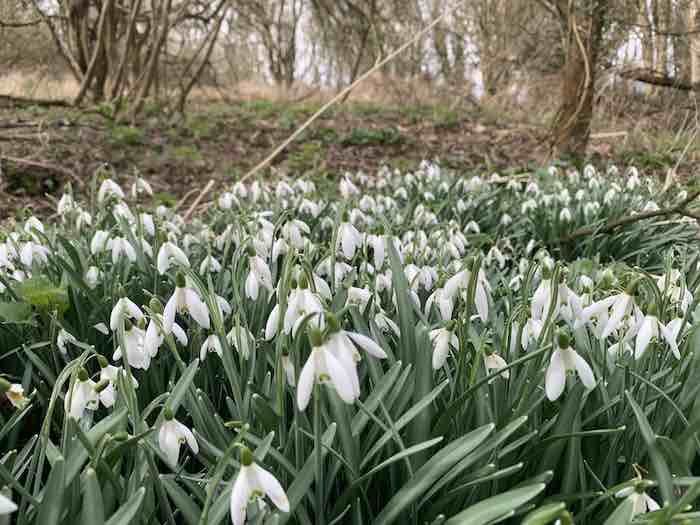
Consider planting snowdrops in the green early next year
October is a good month to build on the lawn and border plans while the soil retains some warmth. Choose the work according to the weather: sow grass only if germination conditions remain suitable, and avoid digging or walking on saturated ground. Some plants in the border notes are proposals, so please check which were actually planted.
Priority tasks at a glance
- Inspect the lawn; overseed and top-dress thin areas early in the month if the soil is warm and workable.
- Plan and plant spring bulbs, including alliums for the proposed Ceanothus border.
- Check which plants and the winter-flowering cherry were installed in that border before adding or moving anything.
- Spread finished compost on suitable borders and prepare the compost bays for autumn leaves.
- Secure pots, cold frames and the greenhouse before autumn winds and frosts.
What to do with your plants
- Ceanothus and its proposed border: Keep the established Ceanothus clear of heavy mulch at the stem and check for damaged branches after gales; leave major pruning until its appropriate post-flowering season. The border plan suggests Clematis ‘Jackmanii Alba’, a winter-flowering cherry and a range of perennials, but confirm what is already present. If the border extension is still to be planted, prepare the soil and set out plants at their mature spacing before adding bulbs.
- Spring bulbs: Plant allium bulbs where the proposed ‘Purple Rain’ drifts belong, and add dwarf daffodils and crocus in suitable gaps for earlier colour. Use well-drained soil and follow packet depths; generally plant bulbs two to three times their own height deep. Plan tulip positions now and plant those later in autumn. GardenAdvice autumn bulb guide.
- Salvias, asters, geraniums and Rudbeckia: If the plants listed in the border scheme are in place, enjoy the last flowers and leave sound stems and seedheads for winter structure. Remove diseased or collapsed material. Avoid cutting every perennial to the ground while wildlife can use the seedheads and stems.
- Cornus and winter structure: Check the positions for the colourful-stemmed dogwoods discussed in George’s winter-interest plan. If planting is still pending, choose a site with room for their mature spread and water new plants in. Leave established stems for winter colour rather than pruning them in October.
- Indoor azaleas and seedlings: Check the azalea potting mix and water only as needed, keeping the plants cool and bright. The earlier January calendar mentioned small flies; review whether that problem continues before repotting. Check any surviving seedlings or young plants from the 2025 propagation project for drainage and frost protection; do not assume those batches are still growing.
Lawn, soil and garden projects
- Lawn recovery: Rake thin patches, make good seed-to-soil contact and apply only a thin sand-and-loam top dressing, leaving grass tips visible. Keep the seed surface moist through establishment. If the soil is already cold or waterlogged, hold off and plan the repair for spring. George’s lawn recovery guide · general autumn calendar.
- Compost and mulch: If the compost bays contain finished, dark and crumbly material, spread a shallow layer on flower beds while keeping it off plant crowns. Prepare space for leaves mixed with other healthy material. The earlier project list also mentions ivy chipping and compost bays: check their present status before scheduling further work. Keep alkaline spent mushroom compost away from the indoor azaleas and any acid-loving plants.
- Equipment: Check the cold frame, greenhouse repairs, water butt, stakes and plant ties before windy weather. Move tender pots under cover ahead of frost if such plants are present.